
Café Amargo: The Bitter Coffee Tradition of Puerto Rico
Café Amargo: The Bitter Coffee Tradition of Puerto Rico
Café amargo is coffee taken deliberately bitter — no sugar, no milk, no softening of any kind. The word amargo literally means "bitter" in Spanish, but in Puerto Rican culture it is more than a flavor description. Café amargo is a statement: a choice to accept coffee exactly as it is, without sweetening away its character. It is the coffee of thoughtful old men and women, of digestion after a heavy meal, of mourning and solemn occasions, and of a particular Puerto Rican philosophy that values things unadorned. While café puya is strong and workmanlike, café amargo is contemplative and deliberate. This article explains what café amargo means, when Puerto Ricans drink it, how to prepare it authentically, and why bitterness is embraced rather than hidden.
What Is Café Amargo?
Café amargo is Puerto Rican coffee prepared and served:
- Without sugar (the defining element — sugar is deliberately omitted)
- Without milk or cream
- Without flavorings of any kind (no cinnamon, no vanilla, nothing added)
- Brewed strong — usually slightly stronger than typical drip coffee
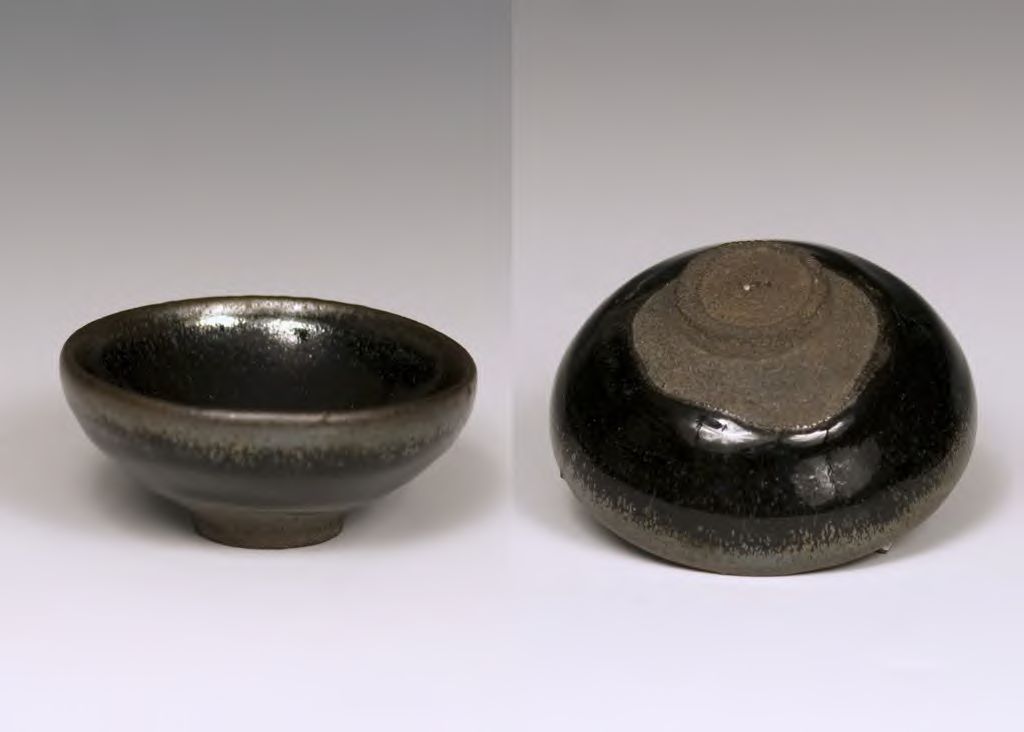
- Served in small ceramic cups (4-6 oz)
The word amargo emphasizes the bitter flavor that comes through when you remove all sweetening. This is NOT a coffee tradition that apologizes for bitterness or tries to hide it — it celebrates bitterness as part of coffee's true character.
Café Amargo vs Café Puya — A Subtle Distinction
Many outsiders confuse café amargo with café puya. Both are strong black coffee served in small cups. But Puerto Ricans recognize a subtle cultural distinction:
Café puya:
- Focus is on strength and caffeine kick
- Associated with work, waking up, getting going
- Usually brewed with cloth colador de tela
- A morning and workday drink
- The "get ready to move" coffee
Café amargo:
- Focus is on flavor — the deliberate bitterness itself
- Associated with digestion, thoughtfulness, solemn moments
- Brewed by any method, emphasis is on finished flavor
- An after-meal, evening, or occasion drink
- The "sit and think" coffee
There is overlap — a cup of puya and a cup of amargo can look identical. The difference is often in intention, context, and occasion rather than preparation. Both are black, strong, and small.
When Puerto Ricans Drink Café Amargo
Café amargo appears in specific cultural moments:
After a heavy meal. The most common occasion. After lechón, arroz con gandules, pasteles, or pernil — the rich traditional Puerto Rican Sunday meal — a small café amargo settles the stomach. Puerto Rican tradition holds that bitter coffee aids digestion of fatty foods. Science agrees: coffee stimulates bile production and gastric motility.
At funerals and wakes (velorios). Café amargo is the traditional coffee of mourning in Puerto Rico. During a wake, family and mourners drink café amargo throughout the night — the bitterness matching the solemnity of loss. The tradition of nueve días (nine days of communal mourning after a death) historically included constant café amargo service. This association is so strong that in some older rural communities, offering a visitor sweetened coffee during a mourning period would be considered inappropriate.
During solemn conversations. When a family needs to discuss something serious — a difficult decision, a conflict, a hard truth — older Puerto Ricans often prepare café amargo. The bitterness is thought to help people think clearly.
Evening thinking time. For older Puerto Ricans, an evening café amargo on the balcón (porch) is a ritual of reflection. Perhaps watching the sunset, perhaps alone, perhaps with a quiet companion.
As medicine. Traditional Puerto Rican folk medicine uses café amargo for:
- Settling an upset stomach
- Relieving headaches
- Helping with nausea
- Boosting focus when tired
- As a hot drink during mild illness
As a matter of character. Some older Puerto Ricans simply prefer all their coffee amargo, every time. This is often associated with toughness, austerity, or a belief that "if you need sugar, your coffee isn't good enough."
How to Prepare Café Amargo
Watch: Traditional Puerto Rican coffee brewing with colador de tela
The preparation is straightforward — the key is simply to NOT add anything sweet.
Ingredients (for 2 small cups):
- 3 tablespoons freshly ground Puerto Rican coffee (medium-dark or dark roast)
- 1.5 cups (12 oz) water
- Nothing else — no sugar, no milk, no spices
Equipment:
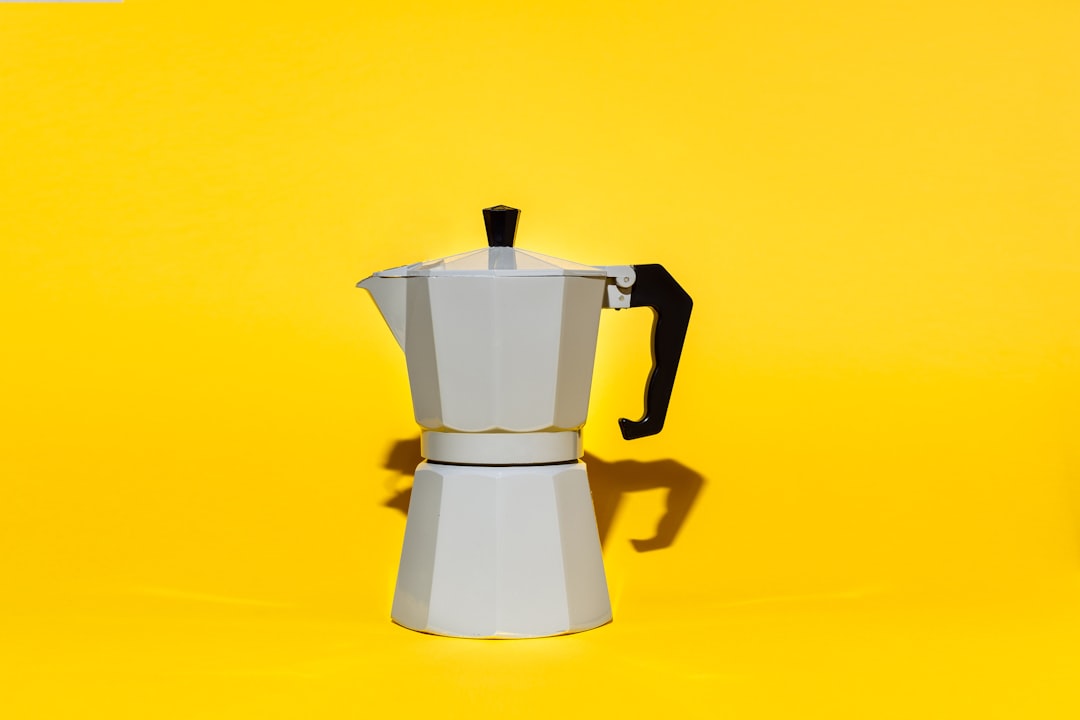
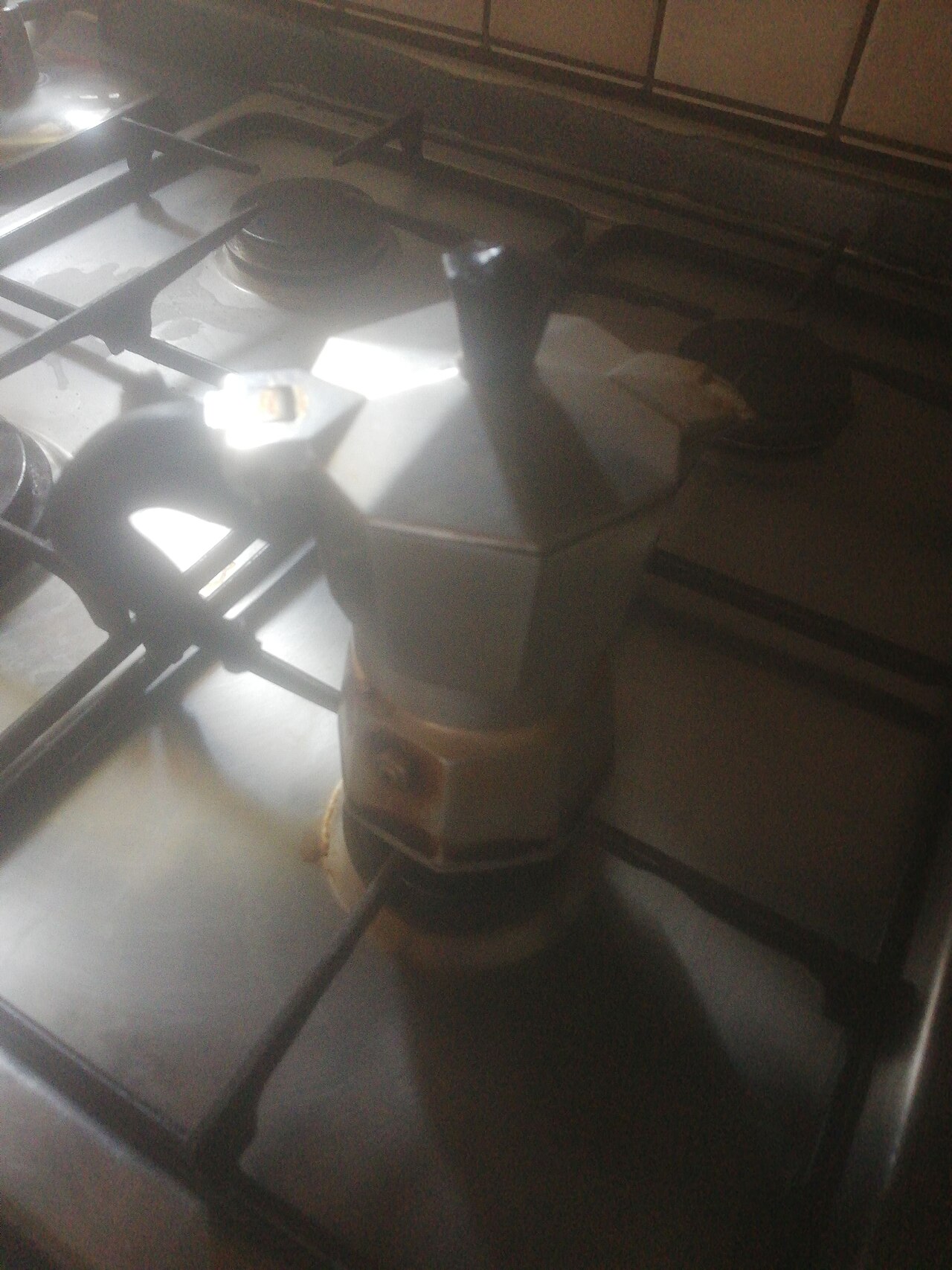
- Any coffee brewing method — stovetop cafetera (moka pot), colador de tela, drip maker, or French press
- Small ceramic cups (4-6 oz)
Method:
-
Grind coffee to medium-fine texture.
-
Brew using your preferred method. Traditional preparation often uses a stovetop moka pot (cafetera), which produces a strong, concentrated coffee similar to café amargo's expected character.
-
Do NOT add anything to the brew. No sweeteners, no milk products, no flavorings. The discipline is in the restraint.
-
Pour into small ceramic cups. The small serving size is traditional — café amargo is for sipping slowly, not drinking quickly.
-
Serve immediately. Optionally on a saucer, with a small spoon that will not be used (the spoon is ceremonial — there is nothing to stir).
-
Taste without flinching. The bitterness is the point. If you react negatively to the bitterness, you're either drinking lower-quality coffee or haven't yet developed the palate for amargo — which Puerto Rican tradition considers a mark of coffee maturity.
The Philosophy of Bitterness
Café amargo reflects a particular Puerto Rican philosophy:
Things as they are. Sugar masks coffee's true flavor. Amargo strips away the mask. If the coffee has genuine character — chocolate notes, nutty aroma, full body — those show themselves only when nothing is added. If the coffee is low-quality, amargo reveals that truth too. Café amargo is honest coffee.
Acceptance of hard flavors. Puerto Rican culture (especially older rural culture) has a tradition of accepting hard things without complaint. The bitter coffee embodies this — not everything in life is sweet, and we should know how to receive bitterness gracefully.
Maturity marker. Children drink sweet coffee with milk. Teenagers drink café con leche with sugar. Adults learn to enjoy café amargo. In traditional Puerto Rican homes, learning to drink café amargo was a small coming-of-age marker — like learning to dance salsa, appreciate aged rum, or sit still for long family conversations.
Respect for the bean. To add sugar is to imply that coffee is insufficient. To drink amargo is to say: this coffee is enough. This is the highest compliment to a farmer and a roaster.
The Right Beans for Café Amargo
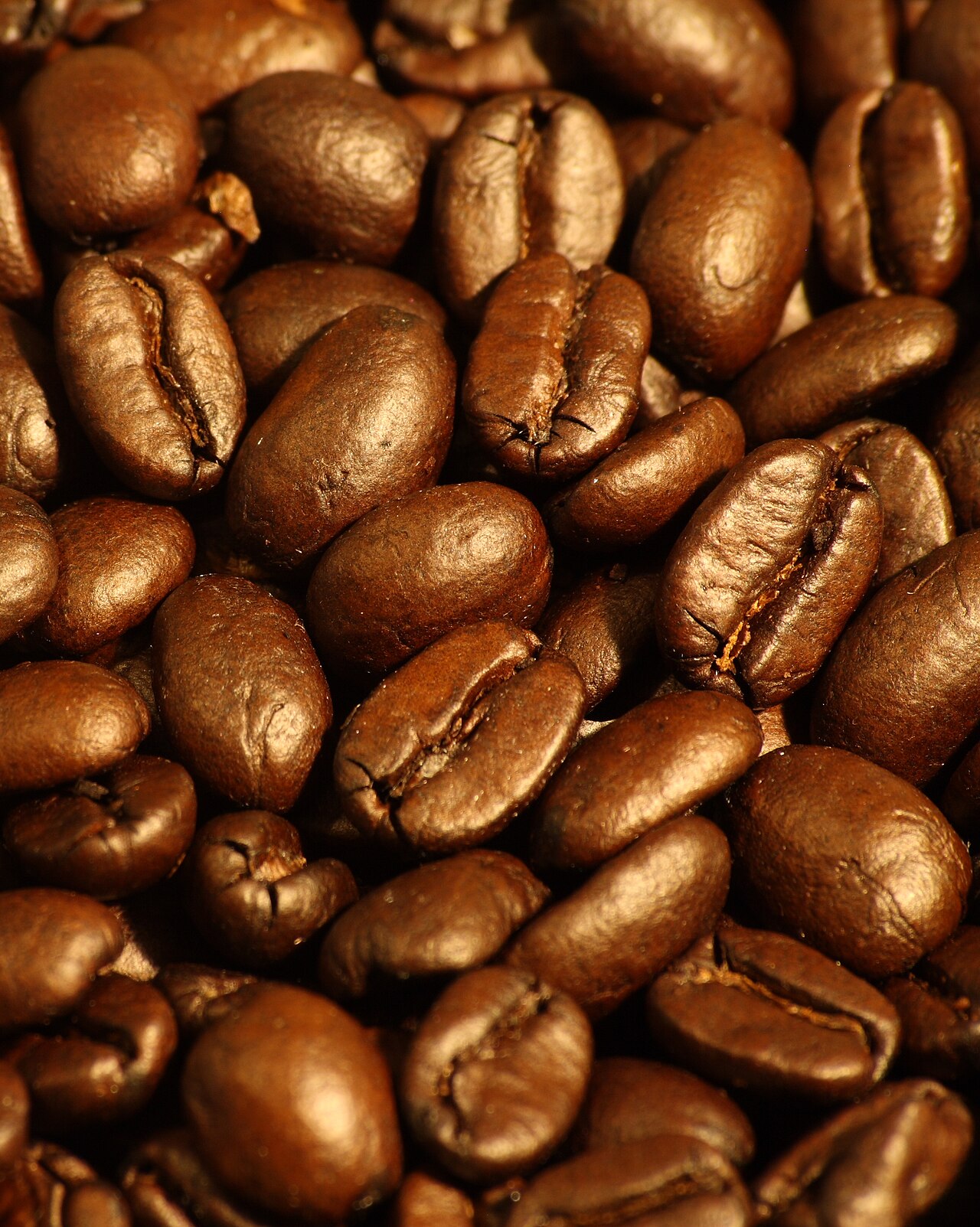
Because café amargo hides nothing, bean quality matters enormously. The wrong beans make amargo unpleasant. The right beans make amargo a revelation.
What to look for:
- Origin: High-altitude Puerto Rican Arabica (2,500+ ft elevation) — Yauco, Adjuntas, Lares, Jayuya, Maricao
- Variety: Typica, Bourbon, or Caturra for traditional Puerto Rican flavor profile
- Roast: Medium-dark to dark — amplifies the natural bitterness appropriately. Light roasts are too acidic and thin for amargo.
- Freshness: Within 3 weeks of roast date
- Processing: Washed process for cleanest flavor, or honey process for added sweetness (even without sugar added)
Expected flavor in good café amargo: Dark chocolate bitterness (pleasant, not harsh), caramelized sugar undertones, toasted nut aroma, clean finish with no sourness, full body that coats the tongue.
What bad café amargo tastes like: Burnt/ashy flavor, excessive astringency (tongue-puckering), flat/muddy body, sour or vinegary notes, lingering unpleasant aftertaste.
The difference between great and bad amargo is almost entirely in the beans. No preparation technique can rescue poor-quality coffee when served amargo.
Café Amargo Around a Death
This deserves its own section because of its cultural importance in Puerto Rico:
When a death occurs in a Puerto Rican family, tradition calls for immediate, continuous café amargo service. The coffee is brewed in large quantities and kept available for:
The immediate family keeping vigil over the body or the memory Visitors and mourners who come to offer condolences Extended family arriving from across Puerto Rico and the diaspora The community present for the velorio (wake) and the rosario (prayer gatherings)
The sweetness typical of café con leche is considered incongruous with mourning. Café amargo is thought to be more respectful — matching the bitterness of loss with bitterness of drink. This tradition has weakened in modern urban Puerto Rico but remains strong in rural communities and among traditional families.
In diaspora Puerto Rican communities (New York, Florida, Chicago), the tradition continues. Many Puerto Rican funerals in mainland USA still include continuous pots of black coffee — often specifically prepared as amargo — for mourners.
Appreciating Bitterness
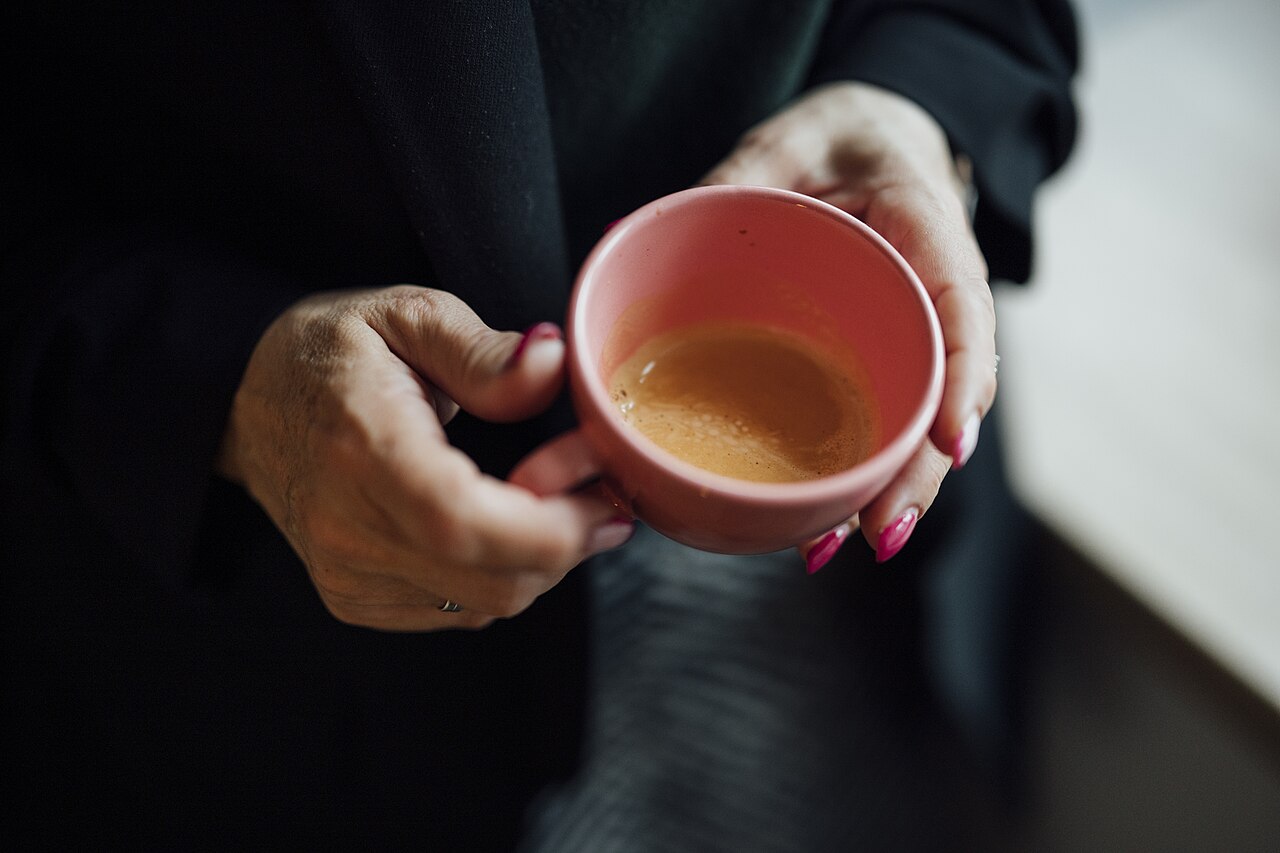
If you're not accustomed to bitter coffee, café amargo can be challenging at first. Puerto Rican tradition offers guidance on how to appreciate it:
Start with good beans. Bad café amargo really is unpleasant. Don't blame the tradition for poor coffee.
Taste slowly. Small sips. Let the coffee coat your tongue. Notice what's happening — the initial bitterness, the flavors that appear after, the finish.
Pay attention to aroma. Before each sip, inhale the steam. Good café amargo has complex aromas that signal the flavors to come.
Pair with savory food, not sweets. Café amargo works best with savory pastries (pan sobao, not sweet pastries), cheese (especially aged), or fatty meats. Sweet pastries fight the amargo.
Accept the first reaction. The first time you drink amargo, you may find it unpleasant. Most people need 5-10 attempts to truly appreciate bitterness. Persist.
Notice the aftertaste. Good amargo has a long, pleasant finish — sometimes lasting minutes. This is one of the finest pleasures of bitter coffee.
Health Beliefs About Café Amargo
Traditional Puerto Rican health beliefs about bitter coffee include:
Digestive aid. Believed to help digest heavy meals. Science supports this — coffee stimulates bile production and gut motility.
Blood pressure caution. Traditional wisdom says too much amargo raises blood pressure in the elderly. Modern science: moderate coffee consumption does NOT raise long-term blood pressure in most adults, though caution is reasonable for those with existing hypertension.
Liver cleanser. Popular folk belief. Modern science: moderate coffee consumption is associated with reduced risk of liver disease and cirrhosis, supporting some version of this belief.
Mental clarity. Widely believed to sharpen thinking. Science: yes — caffeine improves attention, alertness, and some cognitive tasks.
Hangover remedy. Café amargo is a popular morning-after drink. Science: coffee doesn't actually cure hangovers, but it relieves caffeine-withdrawal symptoms if you're a regular drinker.
Headache relief. Traditional use. Science: caffeine constricts blood vessels in the brain and is a real treatment for some headache types, included in many over-the-counter headache medications.
Frequently Asked Questions
Is café amargo just black coffee? Essentially yes, but with a cultural context. "Black coffee" in American usage is a neutral description; "café amargo" in Puerto Rican usage carries deliberate meaning and cultural weight.
Why does Puerto Rican tradition serve bitter coffee at funerals? Bitterness is seen as appropriate for mourning — matching the emotional experience. Sweet coffee would feel celebratory or casual, which is considered disrespectful during death.
Can I make café amargo with any coffee? Technically yes, but authentic café amargo deserves quality Puerto Rican Arabica. Low-quality beans produce unpleasant bitterness; quality beans produce complex, pleasant bitterness.
Is café amargo healthier than sweetened coffee? Generally yes — no added sugar means no added calories and none of the negative effects of sugar consumption. Plain black coffee in moderation is associated with various health benefits.
What's the right cup for café amargo? Small ceramic cup — 4 to 6 ounces maximum. A larger mug would make the bitter drink overwhelming. Traditional Puerto Rican ceramic cups (often white or cream) are ideal.
Can I take café amargo at any time of day? Yes, though traditional timing emphasizes: after meals, during mourning, in evenings for reflection, and as needed for focus. It is less commonly a first-thing-in-the-morning drink than café con leche or café puya.
Key Facts: Café Amargo at a Glance
- Type: Bitter, unsweetened black coffee
- Ingredients: Only coffee and water — nothing added
- Serving size: 4-6 oz in small ceramic cup
- Coffee-to-water ratio: 3 tablespoons grounds per 12 oz water
- Roast preference: Medium-dark to dark
- Primary cultural roles: Funerals and wakes, after heavy meals, solemn occasions, digestive aid
- Traditional beliefs: Aids digestion, provides mental clarity, appropriate for mourning
- Difference from café puya: Similar preparation, different cultural context and intention
- Difference from espresso: Filter-brewed (not pressure), slightly larger serving, less concentrated
- Ideal beans: High-altitude Puerto Rican Arabica (Typica, Bourbon, Caturra varieties)
Related Articles
- Café Puya: The Strong Black Coffee Tradition of Puerto Rico
- Café con Leche: The Puerto Rican Morning Tradition
- Pilón de Café: The Wooden Pestle Tradition of Puerto Rico
- Caffeine: The Science of Coffee's Most Famous Compound
- Coffee Roasting: The Complete Science Guide
- Coffee Cupping: The Professional Tasting Method
Buy Authentic Puerto Rico Coffee for Your Café Amargo
Bitter coffee has nowhere to hide. Every quality and every flaw is exposed. Our Puerto Rican Arabica — grown at elevations between 2,500 and 4,500 feet in the mountain regions of Yauco, Adjuntas, Lares, Jayuya, and Maricao — produces the kind of clean, complex, pleasantly bitter flavor that makes café amargo a pleasure rather than a penance.
→ Shop authentic Puerto Rico coffee at PuertoRicoCoffeeShop.com
This article is part of the Coffee Encyclopedia, the world's largest free coffee reference. Proudly sponsored by PuertoRicoCoffeeShop.com — your authentic source for premium Puerto Rico coffee, shipped worldwide.