
Café Puya: The Strong Black Coffee Tradition of Puerto Rico

Café Puya: The Strong Black Coffee Tradition of Puerto Rico
Café puya is Puerto Rico's pure black coffee — strong, unsweetened, and served without milk. The name puya literally means "sharp point" or "sting" in Puerto Rican Spanish, a reference to the bracing, alert-inducing character of the drink. It is the coffee of jíbaros heading out to the coffee fields before dawn, of workers needing real wakefulness, of grandfathers who disapprove of anything in their cup except coffee and water. While café con leche is the gentle morning ritual, café puya is its harder, more honest brother — the coffee you drink when you need the coffee to actually work. This article covers the authentic preparation, the cultural significance, how to choose the right beans, and why this simple drink has defined Puerto Rican working life for centuries.
What Is Café Puya?
Café puya is Puerto Rican black coffee prepared strong, served hot, and consumed without milk. The defining characteristics are:
- No milk (the opposite of café con leche)
- No sugar (traditionally — though some modern drinkers add a tiny amount)
- Brewed strong (more coffee grounds per cup than typical drip coffee)
- Served hot (always — cold café puya is essentially unknown in traditional settings)
- Served in a small ceramic cup (4-6 ounces, not a mug)
The word puya comes from an older rural Puerto Rican Spanish where it referred to the sharp wooden stick used to drive oxen or to prod animals. The connection to coffee is metaphorical — café puya "stings" or "points" you awake, just as a puya drives an ox forward.
The Authentic Preparation
Watch: Traditional Puerto Rican colador brewing — the method used for Café Puya
Traditional café puya is prepared with the colador de tela — the Puerto Rican cloth coffee filter. This method produces the characteristic full-bodied, slightly silky texture that defines authentic café puya.
Ingredients (for 2 small cups):
- 3 tablespoons freshly ground Puerto Rican coffee (medium-dark or dark roast)
- 1.5 cups (12 oz) hot water, just below boiling
- Optional: 1 teaspoon sugar per cup (the modern version — purists omit this)
Equipment:
- Colador de tela (Puerto Rican cloth filter with wooden ring handle), OR
- A fine mesh strainer lined with a clean cloth napkin, OR
- A standard paper-filter drip method as substitute
Method:
-
Heat the water to just below boiling — 195°F to 205°F (90-96°C). Do not use fully boiling water; it will over-extract and create bitterness.
-
Wet the colador with a splash of hot water to pre-rinse and warm the cloth filter. This removes any residual cloth flavor.
-
Add ground coffee to the colador — 3 tablespoons for 2 small cups. The grind should be medium-fine — finer than drip coffee, coarser than espresso.
-
Hold the colador over a ceramic pot or large cup. Pour the hot water slowly and steadily through the grounds. Traditional preparation uses one continuous pour; more modern technique uses a "bloom" — pour a small amount, wait 30 seconds, then continue.
-
Let the coffee drip completely through. Do not squeeze the cloth — that releases bitter compounds.
-
Pour immediately into small ceramic cups. Café puya loses character quickly after brewing — drink within 5-10 minutes.
-
Do NOT add milk. This is the entire point.
-
Sugar is optional but traditional café puya is taken black. If added, use 1 teaspoon or less per cup.
Cultural Context: Who Drinks Café Puya?
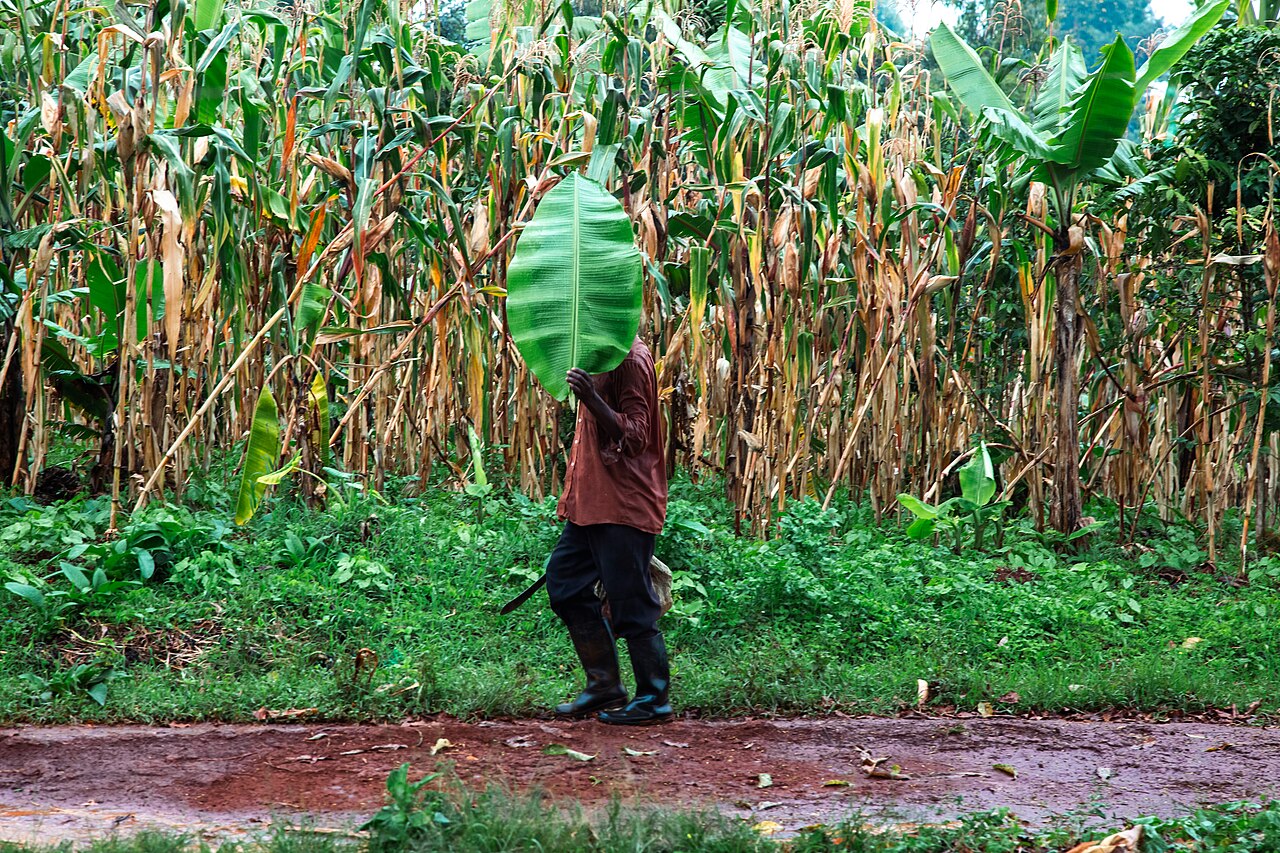
In Puerto Rico, café puya has strong cultural associations that go beyond the drink itself:
The working man's coffee. Historically, café puya was the coffee of farmers, laborers, fishermen, construction workers, truck drivers — anyone whose work required real physical wakefulness. The richer calorie content of café con leche was a breakfast drink; café puya was the working drink. Drinking café puya signaled you were doing serious work that required serious coffee.
A marker of manhood and seriousness. In traditional Puerto Rican rural culture, taking one's coffee puya — especially without sugar — was associated with masculine seriousness. An older man ordering café con leche might be gently teased as "soft." Puya was the undiluted, unembellished coffee of men who had things to do.
The elderly grandfather's drink. Puerto Rican grandfathers famously drink café puya. Many abuelos maintain that café con leche is for children and women — that real coffee is black, strong, and unadorned. This association has softened in modern times, but the stereotype persists.
The late-night drink. When café con leche would interfere with sleep, café puya is often the preferred choice — consumed in small servings (sometimes just 2-3 ounces) during evening conversations, dominoes games, or family gatherings.
The coffee of the mountain communities. Regions like Yauco, Adjuntas, Lares, Jayuya, and Maricao — where coffee is grown — have strong café puya traditions. There, puya is not just preference but demonstration: "Real coffee producers drink their own coffee straight."
Café Puya vs Other Black Coffees
Many cultures have strong black coffee traditions. Café puya has specific characteristics that distinguish it:
Café puya (Puerto Rico): Brewed strong through cloth filter, served in 4-6 oz ceramic cups, made from medium-dark Puerto Rican Arabica, traditionally unsweetened.
Espresso (Italy): Pressurized extraction at 9 bars, very concentrated, served in 1-2 oz shots, distinct crema layer on top. Different method, different character.
Cafecito (Cuba): Cuban espresso-based, typically sweetened aggressively with sugar beaten into the first drops of espresso (espumita). Much sweeter than café puya.
Café americano: Espresso diluted with hot water. Lighter body than café puya.
Drip coffee (American): Typically weaker, larger serving (8-12 oz), often made from lower-altitude beans. More volume, less intensity.
Turkish coffee: Unfiltered, very fine grind, boiled in a cezve. Thick sediment at bottom. Very different method from Puerto Rican cloth-filtered puya.
Café de olla (Mexico): Cinnamon and piloncillo (brown sugar) added. Sweeter and spiced — more similar to the Puerto Rican café de la olla variant than to true puya.
Café puya occupies a distinct position: stronger than drip, less concentrated than espresso, always served black, always small portion.
Choosing the Right Beans
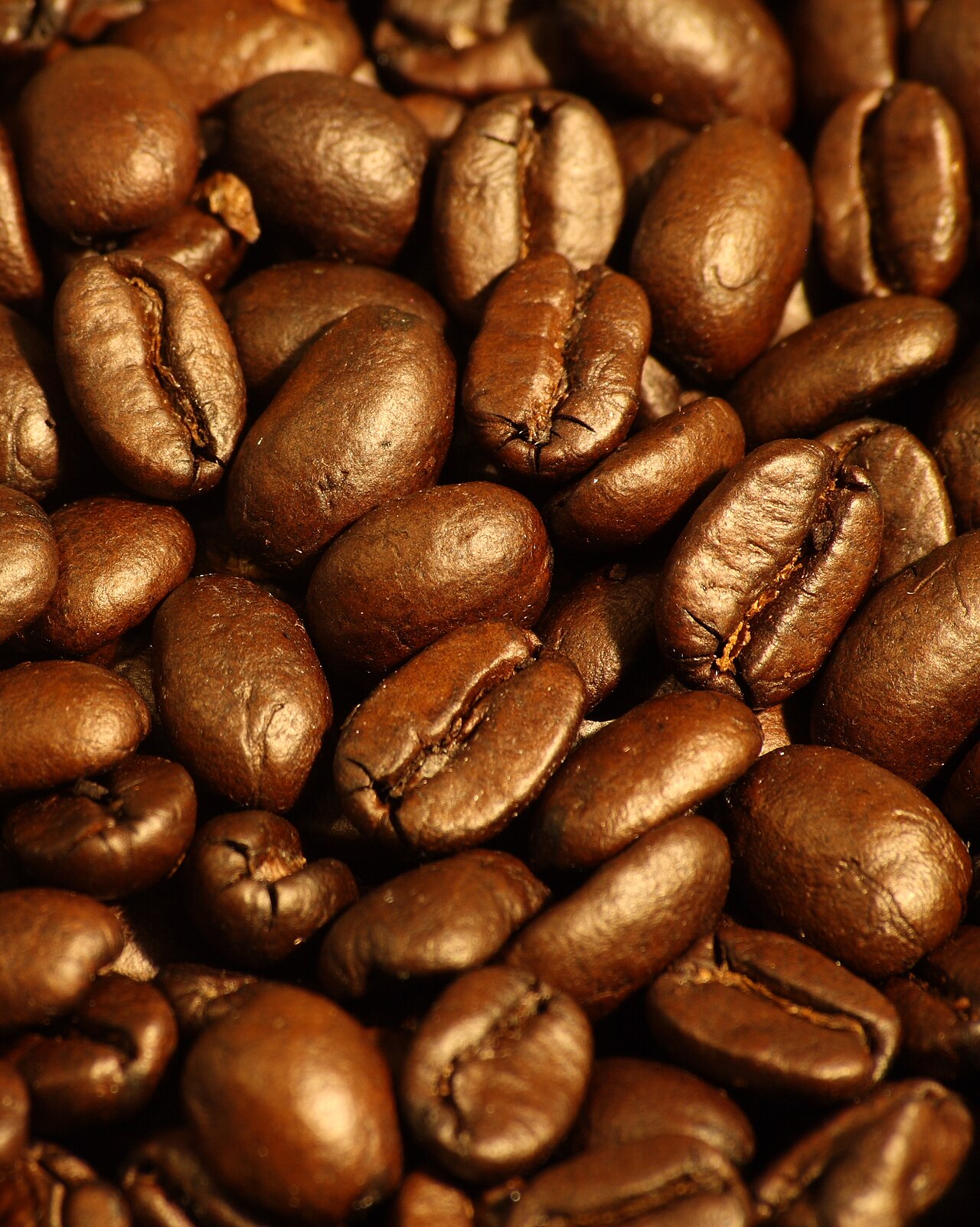
The bean selection for café puya matters more than for almost any other preparation, because there is nothing to hide behind — no milk, no sugar, no cream. Every quality and flaw is tasted directly.
Ideal characteristics:
- Origin: Puerto Rican Arabica from mountain regions (2,500+ ft elevation)
- Roast level: Medium-dark to dark — brings out chocolate, caramel, and nutty notes
- Freshness: Ideally roasted within 2-3 weeks, ground within 1 hour of brewing
- Grind: Medium-fine — like coarse sand
- Processing: Washed or honey process typically preferred for clean flavor
Flavors to look for: Dark chocolate, caramel, toasted almond, brown sugar, clean acidity, full body, long finish.
Flavors to avoid: Sour/fruity over-bright notes (typical of light roasts — wrong style for puya), bitter burned taste (over-roasted beans), flat muddy taste (stale beans or wrong grind).
The Right Cup and Temperature
Traditional Puerto Rican café puya is served in:
- Size: 4 to 6 ounces — never the 12 oz American mug
- Material: Ceramic or porcelain (not glass, not metal, not paper)
- Color: White or cream traditionally, to show the coffee's dark color against it
- Saucer: Always paired with a small saucer underneath
Temperature matters:
- Hot: 170-180°F (77-82°C) when served — hot enough to steam visibly
- Not scalding: Should be drinkable without burning your tongue
- Consumed quickly: A small cup of café puya is finished in 2-4 sips over 5-10 minutes
- Refilled often: Traditional Puerto Rican hospitality refills the puya cup during long conversations
Cold café puya is considered an error or neglect. If the coffee has cooled, the Puerto Rican tradition is to pour it out and start fresh rather than drink tepid coffee.
Modern Café Puya in Puerto Rican Cafés
In contemporary Puerto Rico, café puya has experienced a specialty coffee renaissance:
Third-wave coffee shops in San Juan, Ponce, Mayagüez, and tourist towns like Rincón now offer café puya as a featured menu item. These modern versions often use:
- Single-estate Puerto Rican beans (specific farms in Yauco, Adjuntas, etc.)
- Light to medium roast (rather than traditional medium-dark) for modern flavor preferences
- V60 pour-over or AeroPress as modern alternatives to the colador de tela
- Detailed flavor profiles listed like wine — "notes of dark chocolate, tamarind, and molasses"
Traditional panaderías (bakeries) and cafeterías across the island continue to make café puya the old way — colador de tela, medium-dark roast, small ceramic cup — and serve it alongside pan sobao, mallorcas, and other traditional breakfast items.
The modern specialty and the traditional style coexist. Many Puerto Ricans drink both — modern specialty puya in coffee shops on weekends, traditional puya at home or in local panaderías on weekdays.
When to Drink Café Puya
Café puya has traditional timing rules in Puerto Rican culture:
Morning (6-9 AM): Especially common for workers heading to physical labor. The "wake up and get going" cup.
Mid-morning (9-11 AM): A short break from work — office workers, farmers, or shopkeepers pause for a quick puya.
After lunch (1-2 PM): A small café puya serves as digestif and afternoon fuel.
Evening (7-9 PM): Unusual but not unheard of — served during long family conversations, dominoes games, or after dinner.
NOT typically drunk:
- First thing before eating anything (considered harsh on the stomach)
- During meals (coffee traditionally comes after food, not with it)
- When resting or relaxing (that's what herbal teas or tropical juices are for)
Frequently Asked Questions
Is café puya the same as black coffee in the USA? No. American "black coffee" is usually larger volume, weaker concentration, and made from lower-quality beans brewed through paper filters. Café puya is stronger, smaller, made from mountain Arabica, and ideally brewed through cloth.
Can I add sugar to café puya? Traditional puya is unsweetened. Modern preferences vary — adding 1 teaspoon of sugar is acceptable in contemporary practice. Avoid adding milk, cream, or sweeteners beyond plain sugar if you want the traditional experience.
What if I don't have a colador de tela? A standard drip coffee maker, French press, or AeroPress all work. The result won't be identical to cloth-filtered puya (cloth filters produce a distinctive silky body that paper removes), but the character will be similar if you use the right beans, roast, and strength.
Is café puya healthy? Black coffee is one of the healthier ways to consume coffee — no added fat from milk, no added sugar, no calories. Moderate consumption (2-4 cups per day) is associated with various health benefits. See our dedicated articles on coffee and health.
Why is it called "puya"? Puya means "sharp point" or "prod" — historically the word referred to the wooden stick used to drive oxen. The metaphor: just as a puya prods an ox forward, café puya prods you awake.
Is puya a masculine drink? Traditionally yes, but that association is weakening. Modern Puerto Rican women increasingly drink café puya without any cultural comment. The gender association was never formal — it was a cultural stereotype that is now fading.
Key Facts: Café Puya at a Glance
- Type: Strong black coffee, no milk, traditionally no sugar
- Brewing method: Colador de tela (cloth filter) traditionally
- Serving size: 4-6 ounces in ceramic cup
- Coffee-to-water ratio: 3 tablespoons grounds per 12 oz water
- Roast preference: Medium-dark to dark
- Ideal water temperature: 195-205°F (90-96°C)
- Grind: Medium-fine, like coarse sand
- Cultural role: Working man's coffee, jíbaro tradition, masculine association (historically)
- Traditional accompaniments: Pan sobao, mallorca, galletas María (optional)
- Modern variations: Light-roast specialty versions, V60 pour-over preparations
- Main difference from espresso: Filter-brewed rather than pressure-extracted
Related Articles
- Café con Leche: The Puerto Rican Morning Tradition
- Pilón de Café: The Wooden Pestle Tradition of Puerto Rico
- How Coffee Reached Puerto Rico in 1736
- Yauco: Puerto Rico's Crown Coffee Region
- Coffee Roasting: The Complete Science Guide
- Caffeine: The Science of Coffee's Most Famous Compound
Buy Authentic Puerto Rico Coffee for Your Café Puya
Strong black coffee has nowhere to hide. The beans you choose determine everything — which is why authentic café puya deserves authentic Puerto Rican Arabica. Our beans are grown in the mountain regions of Yauco, Adjuntas, Lares, Jayuya, and Maricao, at elevations between 2,500 and 4,500 feet. Medium-dark roasted to bring out the chocolate, caramel, and nutty character that makes Puerto Rican coffee the ideal base for café puya.
→ Shop authentic Puerto Rico coffee at PuertoRicoCoffeeShop.com
This article is part of the Coffee Encyclopedia, the world's largest free coffee reference. Proudly sponsored by PuertoRicoCoffeeShop.com — your authentic source for premium Puerto Rico coffee, shipped worldwide.