
Café con Leche: The Puerto Rican Morning Tradition
Café con Leche: The Puerto Rican Morning Tradition
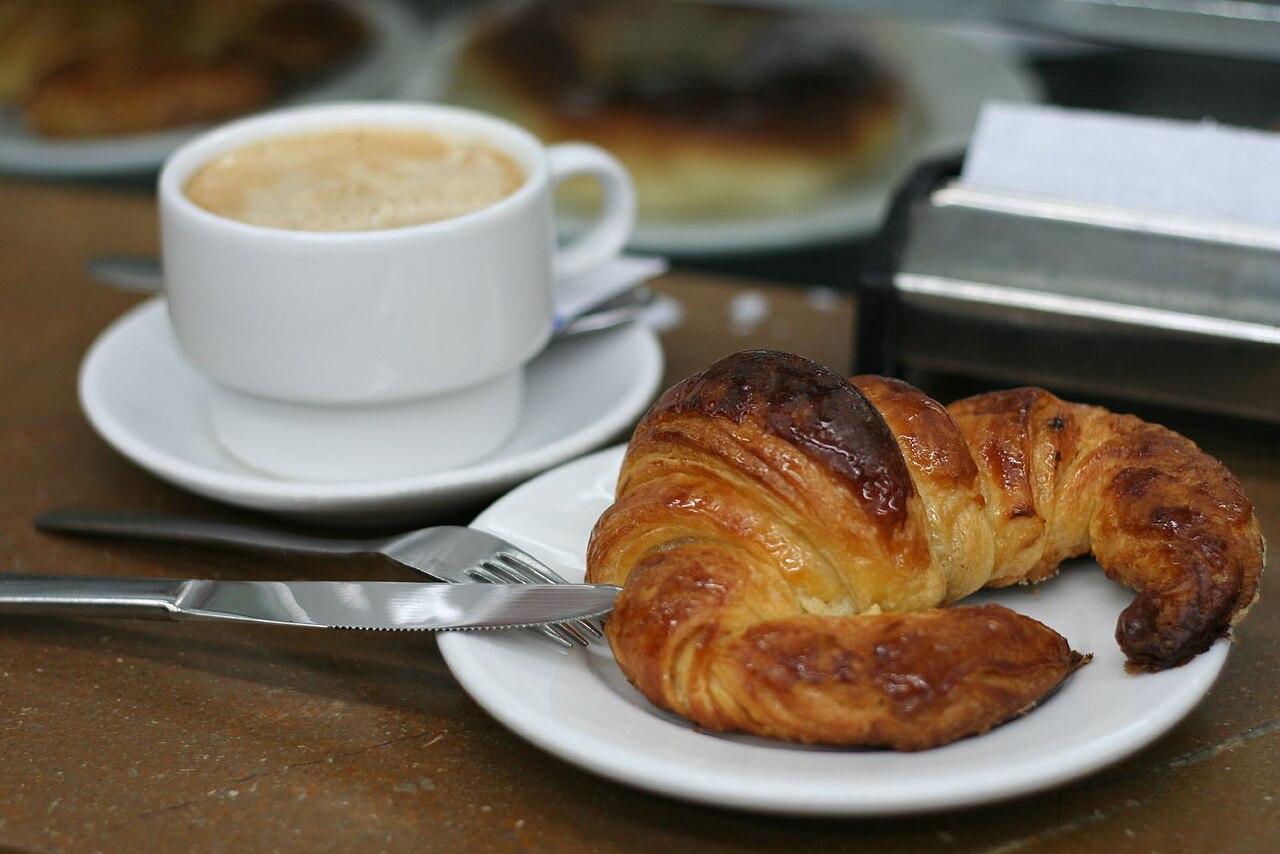
Café con leche is the heartbeat of the Puerto Rican morning. More than a drink, it is a daily ritual practiced in nearly every Boricua household from the mountains of Adjuntas to the streets of San Juan. A warm cup of strong, freshly brewed Puerto Rican coffee poured into hot milk, sweetened to taste, and often dunked with a slice of pan sobao or a buttery Mallorca — this is how generations of Puerto Ricans have started their days. This article covers the authentic preparation, the cultural significance, the proper ratios, and why the Puerto Rican version is distinct from its Spanish, Cuban, and Italian cousins.
What Is Café con Leche?
Café con leche translates literally as "coffee with milk," but the phrase describes something much more specific than the English translation suggests. In Puerto Rico, café con leche is:
- Strong brewed coffee (usually stovetop or espresso-strength)
- Combined with hot milk in roughly equal parts
- Sweetened to taste with white or brown sugar
- Served in a ceramic cup, almost never in a glass or paper cup
The drink is consumed primarily at breakfast and during the afternoon merienda (snack time around 3-5 PM). It is considered inappropriate to serve cold café con leche in most traditional households — temperature matters.
The Authentic Puerto Rican Recipe
Watch: Traditional Puerto Rican Café con Leche tutorial
Every Puerto Rican family has their own version, but this is the classic preparation used across the island:
Ingredients (for 2 cups):
- 1 cup whole milk (leche entera — never skim in traditional recipes)
- 1 cup strong freshly brewed Puerto Rican coffee
- 2 to 4 teaspoons sugar, to taste
- Optional: pinch of salt
Method:
-
Brew the coffee strong. Use a stovetop moka pot, a colador (Puerto Rican cloth filter), or a drip maker with double the normal coffee dose. The coffee must be robust enough to hold its character when milk is added. Use 2 tablespoons of ground Puerto Rican coffee per cup of water.
-
Heat the milk slowly. In a small saucepan, warm whole milk over medium-low heat until it is steaming but not boiling. Stir occasionally to prevent a skin from forming. Traditional cooks watch for the first small bubbles around the edge of the pan — that is the signal to remove from heat.
-
Combine in the cup. Pour the hot milk into a ceramic cup first, then add the hot coffee. The ratio is typically 1:1 (half milk, half coffee), though some families prefer slightly more milk for breakfast and slightly more coffee for afternoon.
-
Sweeten and stir. Add sugar to taste. Some households add the sugar to the hot milk first so it dissolves completely.
-
Serve immediately with pan sobao, toast, galletas de soda, or a Mallorca pastry.
The Cultural Significance

In Puerto Rico, café con leche is not merely breakfast. It is:
A gesture of hospitality. When a visitor arrives at a Puerto Rican home, the first words spoken by the host are often "¿Quieres un cafecito?" — would you like a little coffee? To refuse is considered mildly rude in traditional settings. The coffee is offered regardless of time of day, and it is almost always café con leche unless requested otherwise.
A family ritual. In many Puerto Rican households, the abuela (grandmother) or the oldest woman in the family prepares the morning café con leche for everyone. The moment of sitting together, drinking café con leche before starting the day, is a cherished tradition that crosses class and regional lines.
An identity marker. Puerto Ricans in the diaspora — in New York, Florida, Chicago, and beyond — often describe missing their grandmother's café con leche as the first thing that makes them homesick. Entire Puerto Rican bakeries and restaurants in the United States build their reputation on how well they make this one drink.
A daily pause. The afternoon merienda café con leche, typically between 3 and 5 PM, is a moment of rest. Workers break from their labor, neighbors visit each other, families reunite briefly before evening. The drink marks time as much as caffeine delivers energy.
Café con Leche vs Other Coffee-with-Milk Drinks
Many cultures have coffee-with-milk drinks, but the Puerto Rican version has specific characteristics:
Puerto Rican café con leche: 1:1 coffee-to-milk ratio, strong brewed coffee (not espresso), whole milk warmed on stovetop, sugar added to taste, served in ceramic cup.
Spanish café con leche: Similar 1:1 ratio, but typically uses espresso rather than brewed coffee. Slightly less sweet.
Cuban café con leche: Uses very sweet Cuban espresso (cafecito) as base, with an equal amount of hot milk. Often sweeter than Puerto Rican version due to the espumita sugar foam tradition.
Italian caffè latte: 1 part espresso to 3-5 parts steamed milk. Much more milk than the Puerto Rican version.
Café latte (American): Similar to Italian, but typically with less intense coffee and more milk foam.
Cortado: Equal parts espresso and steamed milk, but in a much smaller serving (4 ounces total). More similar to Puerto Rican proportions than to Italian latte.
The Puerto Rican version occupies a distinct middle ground: stronger than an Italian latte, milder than a Cuban cafecito con leche, and served at home in larger quantities than the small Spanish taza.
Choosing the Right Coffee
The quality of café con leche depends entirely on the quality of the coffee. Traditional preparation demands Puerto Rican Arabica grown in the island's mountain regions — Yauco, Adjuntas, Lares, Jayuya, Maricao — where the altitude, volcanic soil, and climate produce beans with natural sweetness, low acidity, and full body.
What to look for:
- Medium to medium-dark roast — brings out chocolate and caramel notes that pair with milk
- Freshly ground — ideally within minutes of brewing
- 100% Arabica — for smoothness and balance
- Single origin from Puerto Rico — for authenticity and traceability
Puerto Rican coffee has a naturally chocolatey, slightly nutty flavor profile that complements milk perfectly. Beans from lower altitudes or non-Puerto Rican origins may work, but the authentic Boricua café con leche experience requires authentic Boricua coffee.
Sweetening Traditions
Sugar in café con leche is a personal and family tradition. Common practices include:
- White sugar (azúcar blanca): The most common choice, 2-3 teaspoons per cup
- Brown sugar (azúcar negra): Adds a caramel note, favored by some families
- Condensed milk: In some households, sweetened condensed milk replaces both regular milk and sugar — creating a richer, sweeter drink
- No sugar: Less traditional but accepted, especially for health-conscious drinkers
- Pinch of salt: An old Puerto Rican secret — a tiny pinch of salt added to the coffee grounds before brewing brings out sweetness without adding sugar
Common Variations Across Puerto Rico
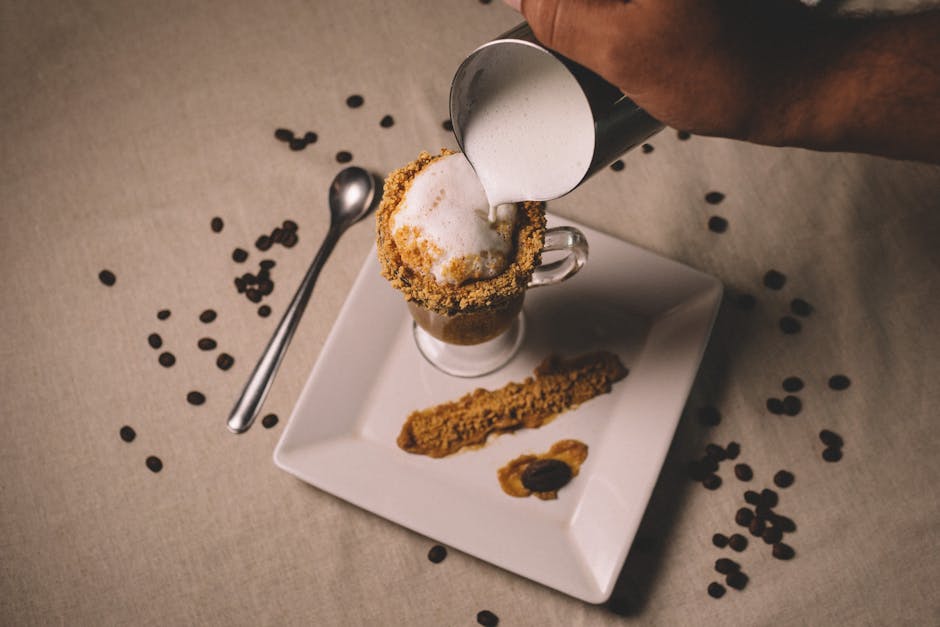
Different regions and families have their own twists:
Coastal variation: Slightly more milk, less coffee. Sweeter overall.
Mountain variation: Stronger coffee, less milk, more often sweetened with brown sugar or panela.
Holiday variation: A splash of coconut milk added during Christmas season, creating a café con leche y coco.
Café con leche evaporada: Some families use evaporated milk instead of fresh milk for a richer, creamier texture. This became common during the 20th century when evaporated milk was widely available in rural mountain areas.
Café con leche medio pollo: "Half chicken" café con leche — a playful name for a cup that is 70% milk and 30% coffee, typically served to children or the elderly.
The Proper Way to Serve
In Puerto Rico, how café con leche is served matters almost as much as how it is made:
- Cup: Traditional ceramic cup, usually white or cream-colored, 8 to 10 ounces
- Saucer: Always with a small saucer underneath
- Spoon: A small teaspoon, placed on the saucer
- Accompaniments: Pan sobao (sweet bread), Mallorca, galletas María, or toast with butter and Puerto Rican guayaba jelly
- Temperature: Hot enough to steam visibly, cool enough to drink without burning — the Puerto Rican ideal is "caliente pero que se pueda tomar"
Frequently Asked Questions
Can I use espresso instead of brewed coffee? Yes, but the result will be closer to a Spanish or Cuban version. Authentic Puerto Rican café con leche uses strong brewed coffee, not espresso. If using espresso, use a double shot and adjust the milk slightly.
Is café con leche the same as a latte? No. A latte has much more milk (typically 3-5 times more milk than coffee). Café con leche has a 1:1 ratio, making it stronger and less milky.
Can I make it with non-dairy milk? Traditional café con leche uses whole dairy milk. Oat milk and almond milk can substitute but change the flavor and texture. Coconut milk adds a distinctly Caribbean flavor that some enjoy during holidays.
What time of day is café con leche traditional? Mainly breakfast (7-9 AM) and merienda (3-5 PM). Many Puerto Ricans avoid café con leche after dinner, preferring café negro (black coffee) in the evening.
Why does Puerto Rican café con leche taste different from Cuban or Spanish versions? The main difference is the coffee itself — Puerto Rican Arabica has a distinct flavor profile with chocolate, nuts, and subtle citrus that differs from Cuban coffee (often robusta blends, stronger and more bitter) and Spanish coffee (often torrefacto roasted, giving a darker, more bitter character).
Key Facts: Café con Leche at a Glance
- Type: Coffee with milk, sweetened
- Coffee-to-milk ratio: 1:1 (equal parts)
- Coffee base: Strong brewed coffee (not espresso, traditionally)
- Milk: Whole milk, heated but not boiled
- Sugar: 2-4 teaspoons per cup, to taste
- Serving size: 8-10 ounces
- Serving temperature: Hot (steaming but drinkable)
- Cup: Ceramic, white or cream
- Traditional accompaniments: Pan sobao, Mallorca, galletas, toast
- Primary consumption times: Breakfast and merienda (3-5 PM)
- Cultural role: Hospitality drink, family ritual, identity marker
Related Articles
- How Coffee Reached Puerto Rico in 1736
- The Golden Age of Puerto Rican Coffee (1800-1898)
- Yauco: Puerto Rico's Crown Coffee Region
- Coffee Roasting: The Complete Science Guide
- Caffeine: The Science of Coffee's Most Famous Compound
Buy Authentic Puerto Rico Coffee for Your Café con Leche
The authentic Puerto Rican café con leche experience begins with authentic Puerto Rican coffee. Our beans are grown in the island's mountain regions — Yauco, Adjuntas, Lares, Jayuya, Maricao — at altitudes between 2,500 and 4,500 feet, producing the naturally sweet, chocolatey, low-acid coffee that makes café con leche a Boricua tradition.
→ Shop authentic Puerto Rico coffee at PuertoRicoCoffeeShop.com
This article is part of the Coffee Encyclopedia, the world's largest free coffee reference. Proudly sponsored by PuertoRicoCoffeeShop.com — your authentic source for premium Puerto Rico coffee, shipped worldwide.