
Piragua de Café: The Puerto Rican Coffee Shaved Ice Tradition
Piragua de Café: The Puerto Rican Coffee Shaved Ice Tradition
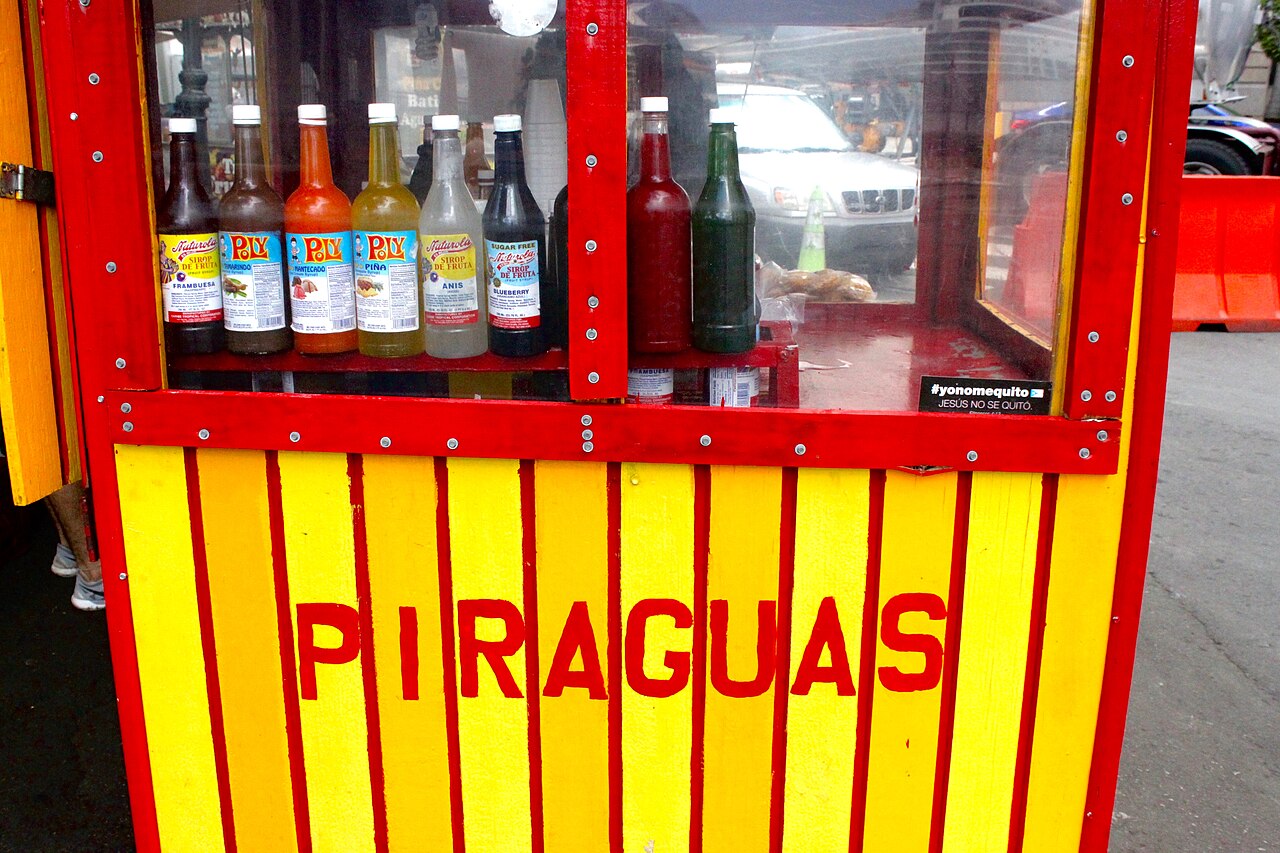
A piragua is Puerto Rico's answer to tropical heat — hand-shaved ice shaped into a triangular cone and drenched in bright, flavorful syrup. For generations, the iconic piragua cart — usually painted in bright colors, often with a colorful umbrella, pushed through neighborhoods by a piragüero ringing a bell or calling out flavors — has been a fixture of Puerto Rican summers and festivals. Most flavors are fruit-based: tamarindo, coco, fresa, china (orange), limón, frambuesa. But one flavor stands apart as distinctly Puerto Rican in character: piragua de café. The shaved ice drenched in rich, sweet Puerto Rican coffee syrup is a refreshing treat that combines the island's love of coffee with its love of cold tropical snacks. This article covers the history of piragua, the piragüero culture, and how to prepare authentic piragua de café at home.
What Is a Piragua?
A piragua (pronounced pee-rah-gwah) is shaved ice shaped into a distinctive triangular cone, served in a paper or plastic cup, and flavored with colorful syrups. The word piragua is a Taíno-origin Puerto Rican Spanish word — it originally referred to the triangular indigenous canoes, and the triangular pointed shape of the shaved ice mound was said to resemble a small canoe (hence the name).
Key characteristics:
- Hand-shaved ice (traditional piragüeros use a hand-operated ice shaver with a sharp blade)
- Triangular/pyramidal shape (the ice is packed into a cone mold, then pointed)
- Single flavor syrup (classic piragua uses one flavor, not blended)
- Served in small cup (usually 4-6 oz)
- Eaten with a spoon or drunk through a wide straw as it melts
- No milk, no dairy in traditional piragua (that's a separate snack category — raspao con leche)
Piragua vs American Snow Cone
Americans sometimes call piragua a "Puerto Rican snow cone," but there are real differences:
Piragua:
- Hand-shaved ice (rough, crystalline texture)
- Triangular/pyramidal shape
- Single-flavor syrup, generously applied
- Usually sold from a cart by a piragüero
- Cultural significance — not just a treat, but a ritual of summer
American snow cone:
- Machine-crushed ice (more uniform texture)
- Dome shape, served in a cone paper
- Often multiple colored syrups blended together
- Sold at fairs, amusement parks
- Treated as a novelty, not a cultural institution
Hawaiian shave ice:
- Closer to piragua in texture (hand-shaved)
- Round scooped shape
- Often served with ice cream underneath and condensed milk on top
- More elaborate presentation
The shape differences might seem minor, but they're not. The piragua's triangular pointed top matters both visually (distinctive, identifiable) and functionally (allows the syrup to pool and soak down through the ice as it melts).
The History of Piragua in Puerto Rico
Piragua has deep roots in Puerto Rican street culture:
Colonial era origins. The idea of shaved ice treats existed in pre-Columbian cultures — Taíno people used ice from mountain springs mixed with fruit juices. During Spanish colonial times, similar treats developed with imported ingredients.
The 19th-century urban emergence. As Puerto Rican cities like San Juan, Ponce, and Mayagüez grew, street vendors began offering shaved ice with syrups. These became associated with urban poor and working-class communities.
Early 20th century piragueros. By the 1920s-1930s, the piragüero (piragua seller) had become an iconic figure of Puerto Rican urban life. They pushed their colorful carts through neighborhoods, their bells signaling cold sweet relief from the heat.
Great Migration and the diaspora. When waves of Puerto Ricans moved to New York in the 1940s-1960s, they brought piragua culture with them. Piragüeros appeared in East Harlem, The Bronx, and Brooklyn. The piragua became a symbol of Puerto Rican identity in the mainland diaspora.
Broadway recognition. The musical In the Heights features a prominent piragüero character, bringing Puerto Rican piragua culture to international audiences.
Modern renaissance. The 2000s-2020s have seen renewed appreciation for traditional piragua — gourmet piragüeros with sophisticated flavors, craft syrups, and updated carts appearing in Puerto Rico and the diaspora.
How Coffee Joined the Piragua Repertoire
Classic piragua flavors are overwhelmingly fruit-based — tamarindo, coco, china, frambuesa, piña, mango, cereza, parcha. Coffee is a later addition, and its story reveals Puerto Rican coffee culture:
Why it wasn't original. Early piragueros focused on sweet, bright, fruit-forward flavors because these contrasted best with plain ice. Coffee syrup was more complex, darker in color, and less obviously "summery."
The 20th-century shift. As Puerto Rican coffee culture remained strong through the 20th century — and as Puerto Ricans increasingly consumed cold coffee drinks (café frío boricua) — the idea of coffee as a cold syrup made sense.
The tourist influence. Tourists in Puerto Rico loved piragua but often wanted "something more local." Piragüeros responded by creating coffee-flavored piragua that highlighted the island's famous coffee heritage.
Modern popularity. Today, piragua de café is a standard offering at most Puerto Rican piragua carts, especially in tourist areas like Old San Juan, along the beaches of Isla Verde, and in cultural festivals.
The Authentic Coffee Syrup Recipe
Watch: Puerto Rican piragua being made on the streets of Old San Juan
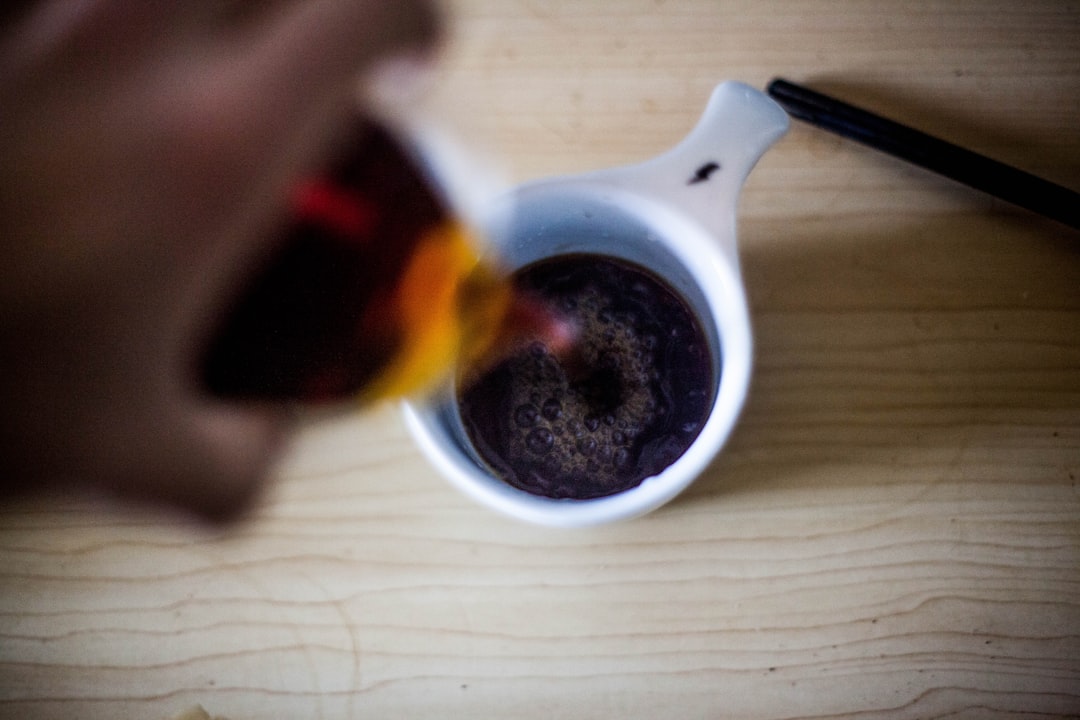
The heart of piragua de café is the coffee syrup. Without good syrup, the drink is just cold water. With great syrup, it is a revelation.
Ingredients for syrup (makes about 2 cups):
- 1 cup strong brewed Puerto Rican coffee (medium-dark roast)
- 1.5 cups granulated sugar (or 1 cup sugar + 1/2 cup brown sugar for richer flavor)
- 1/2 cup water
- 1 teaspoon vanilla extract
- 1/2 teaspoon ground cinnamon
- Pinch of salt
- Optional: 1 tablespoon Puerto Rican rum (adults only)
Method for syrup:
-
Brew coffee strong. Use 3 tablespoons of medium-dark Puerto Rican coffee grounds per cup of water. Let cool slightly.
-
Combine in saucepan. Put the brewed coffee, water, sugar (and brown sugar if using), and salt in a heavy-bottomed saucepan.
-
Heat slowly. Over medium-low heat, stir until all sugar dissolves. Do not boil rapidly — slow heat produces better syrup.
-
Simmer to reduce. Once sugar is fully dissolved, simmer for 15-20 minutes, stirring occasionally. The mixture should reduce by about one-third and thicken enough to coat the back of a spoon.
-
Test consistency. Dip a spoon into the syrup and let cool for 30 seconds. When you run your finger down the back of the spoon, the line should hold briefly before flowing back together.
-
Add flavor finishes. Remove from heat. Stir in vanilla, cinnamon, and optional rum.
-
Cool completely. Let the syrup cool to room temperature, then refrigerate. Syrup will thicken further as it chills.
-
Storage. Store in a glass bottle in the refrigerator. Good for 3-4 weeks.
Assembling a Piragua de Café at Home
Ingredients for 1 piragua:
- 2 cups ice cubes (or shaved ice if you have a shaver)
- 3-4 tablespoons homemade coffee syrup (or to taste)
- Optional: cinnamon stick for garnish
- Optional: small drizzle of condensed milk on top
Equipment:
- Ice shaver (best) OR blender OR food processor
- Small paper or plastic cups (6 oz)
- Small spoon
- Wide straw (optional)
Method:
- Prepare the ice. The ideal is hand-shaved ice from a dedicated ice shaver — produces fluffy, crystalline texture. If unavailable:
- Blender method: Pulse ice cubes in short bursts until crushed to a snow-like consistency. Do not over-blend or it becomes slush.
- Food processor method: Pulse ice until finely crushed.
- Manual method: Put ice in a clean cloth bag and crush with a mallet.
-
Shape the ice. Spoon the shaved ice into the cup and mound it up into a pyramid or cone shape. Traditional piragua is more tall than wide — aim for a steep triangular peak.
-
Apply the coffee syrup generously. Drizzle 3-4 tablespoons of coffee syrup over the ice, starting at the top and letting it flow down the sides. The syrup should saturate the ice thoroughly.
-
Optional additions:
- A small drizzle of sweetened condensed milk on top for extra richness
- A tiny pinch of cinnamon dusted over the top
- A cinnamon stick for stirring/eating
- Serve immediately with a small spoon. Piragua melts quickly — eat within 5-10 minutes before it becomes coffee-flavored water.
Piragua Cart Culture
The piragua cart is a cultural institution. Understanding the culture deepens appreciation for the treat:
The piragüero. The cart owner-operator. Often a multi-generational profession passed from father to son. Respected in their communities. Some piragueros work for 50+ years at the same cart in the same neighborhood, becoming landmarks themselves.
The cart. Colorful, often hand-painted with tropical themes, Puerto Rican flags, or traditional decorative patterns. Usually wooden or metal construction. Features a covered section for the ice block, a canopy (often a patchwork umbrella) for shade, and visible syrup bottles arranged by color.
The tools. A sharp metal ice shaver (originally hand-operated, now sometimes electric), the block of ice (weighing 50-100 pounds, replaced as needed), syrup bottles in a rainbow arrangement, a small ice chest for water, stacked paper cups, spoons and straws.
The syrup rainbow. A good piragüero offers 10-15 flavors. Classic selection: tamarindo (brown), coco (white), fresa (red), china (orange), limón (green), frambuesa (pink), piña (yellow), uva (purple), anís (clear with spice), crema (light tan), and increasingly café (dark brown).
The ritual. Order flavor. Watch piragüero shave ice into cup and mold into pyramid. Watch them generously drench syrup. Hand cup to customer. Customer tastes, smiles, pays. Eat while walking in the heat.
The sound. Many piragüeros have bells on their carts or songs they call out — their own distinctive "wheel-ringing music" or calls like "piragua, piragua, piragua fresquita" (fresh piragua). Neighborhoods recognize their local piragüero by sound alone.
Where to Find Authentic Piragua de Café
In Puerto Rico:
- Old San Juan (Viejo San Juan): Carts around Plaza de Armas, Calle San Francisco, and Calle Fortaleza
- Plaza de Mercado (San Juan): Traditional market with multiple piragüeros
- Condado and Isla Verde beaches: Beach-access piragueros
- Luquillo Kiosks area: Row of food kiosks frequently hosts piragüeros
- Ponce town square: Traditional piragüeros operating for generations
- Festivals: Every town festival (fiestas patronales) features piragua vendors
In the diaspora:
- East Harlem (El Barrio), New York: Long tradition of Puerto Rican piragüeros
- The Bronx, New York: Puerto Rican communities with cart tradition
- Central Florida (Orlando, Kissimmee): Large Puerto Rican population, piragua carts at festivals
- Chicago Puerto Rican neighborhoods: Humboldt Park area has piragueros
Modern Gourmet Piragua Variations
Contemporary piragüeros have expanded the repertoire:
Piragua de Café Especial. Made with single-origin Puerto Rican coffee syrup, artisan craft. More expensive, higher quality.
Piragua Affogato Style. Coffee syrup + small scoop of vanilla ice cream on top of shaved ice. Italian-Boricua fusion.
Piragua Mocha. Coffee syrup + chocolate syrup mixed. Rich, indulgent variation.
Piragua Café con Leche. Coffee syrup layered with sweetened condensed milk — essentially a café con leche in piragua form.
Piragua Coquito. Coffee syrup with coconut milk drizzle on top. Caribbean fusion.
Piragua Café con Ron. Adult version: coffee syrup with rum. Sold in some beach bars.
Piragua Tiramisu. Coffee syrup + mascarpone-flavored syrup. Modern Italian-Boricua creative fusion.
Frequently Asked Questions
Can I make piragua de café without a real ice shaver? Yes — a blender or food processor works reasonably well. The texture won't be identical to hand-shaved, but will be acceptable.
How sweet should the coffee syrup be? Very sweet — traditional piragua syrup is about 1.5:1 sugar to liquid ratio. The sweetness balances the plain ice. If your syrup is watery or weak, it won't properly flavor the ice.
Does piragua de café have caffeine? Yes, a moderate amount — roughly equivalent to half a cup of coffee. Not a great choice for evenings or for children sensitive to caffeine.
Can I make piragua syrup with decaf? Absolutely. Decaf Puerto Rican coffee makes excellent piragua syrup with the flavor but without the caffeine.
How long does coffee syrup last? Refrigerated in a sealed glass bottle, 3-4 weeks. The sugar acts as a preservative. Always check for off smells before using older syrup.
Why is the ice triangular-shaped? The shape is culturally traditional — derived from the Taíno word for canoe (piragua). Functionally, the peak helps syrup pool at the top and slowly soak down.
Can kids eat piragua de café? Small portions are generally fine for children, though the caffeine content should be considered. Many families serve coffee piragua to children as a special treat in moderation.
What's the difference between piragua and raspao? Raspao (or raspado) is a related Caribbean shaved-ice treat, but often served with sweetened condensed milk on top (raspao con leche). Puerto Rican piragua traditionally does NOT include the milk.
Key Facts: Piragua de Café at a Glance
- Type: Puerto Rican shaved ice with coffee syrup
- Origin: Urban Puerto Rico, 19th-20th century street food tradition
- Shape: Triangular/pyramidal, derived from Taíno canoe shape
- Main components: Hand-shaved ice + coffee syrup
- Coffee syrup: Brewed coffee + sugar + vanilla + cinnamon, reduced to syrup
- Traditional serving: From colorful street cart by piragüero
- Serving size: 4-6 oz cup
- Coffee syrup storage: 3-4 weeks refrigerated
- Caffeine: ~half a cup of coffee per piragua
- Best season: Summer (June-September), though available year-round in Puerto Rico
- Modern variations: Mocha, affogato-style, coquito-style, rum-spiked
- Cultural diaspora: Piragua carts exist in NYC, Florida, Chicago, and beyond
Related Articles
- Café Frío Boricua: The Puerto Rican Iced Coffee Tradition
- Café con Leche: The Puerto Rican Morning Tradition
- Coquito con Café: The Puerto Rican Christmas Coffee Coquito
- Cold Brew Coffee: The Complete Science Guide
- Puerto Rico Coffee Renaissance (1950-Present)
Buy Authentic Puerto Rico Coffee for Your Piragua Syrup
Great piragua syrup starts with great coffee. Our mountain-grown Puerto Rican Arabica — grown in Yauco, Adjuntas, Lares, Jayuya, and Maricao at elevations above 2,500 feet — produces the chocolate, caramel, and nutty flavors that create unforgettable coffee syrup. When the syrup melts into the shaved ice, you taste the mountains of Puerto Rico.
→ Shop authentic Puerto Rico coffee at PuertoRicoCoffeeShop.com
This article is part of the Coffee Encyclopedia, the world's largest free coffee reference. Proudly sponsored by PuertoRicoCoffeeShop.com — your authentic source for premium Puerto Rico coffee, shipped worldwide.