
Japanese Kissaten: The Slow Coffee Tradition
Japanese Kissaten: The Slow Coffee Tradition
[IMAGE: japanese kissaten interior wooden vintage showa era coffee shop]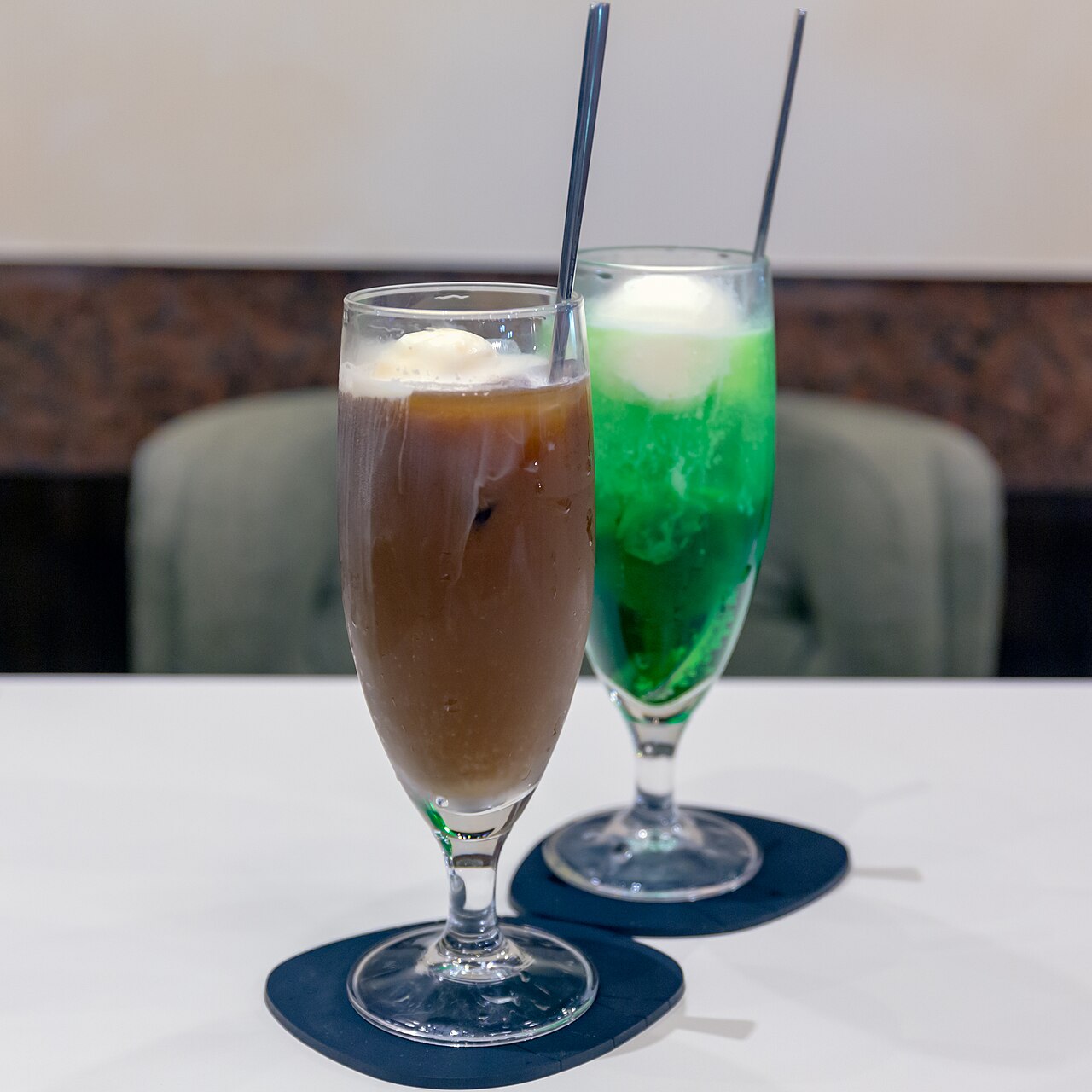
The Japanese kissaten is one of the most distinctive coffee traditions in the world — a centuries-old café format that prizes hand-drip precision, meditative quiet, vintage Showa-era atmosphere, and a slow, deliberate engagement with coffee that stands in deliberate contrast to the speed and standardization of modern coffee chains. The word "kissaten" (喫茶店) literally translates to "tea-drinking shop," but for over a century these establishments have been associated almost exclusively with coffee. At their peak in the 1970s, Japan had over 150,000 kissaten — small, owner-operated coffee houses serving hand-prepared drinks to regulars who often returned to the same shop for decades. The kissaten declined through the 1980s and 1990s as international chains arrived and younger generations turned to faster cafés, but since the 2010s a quiet resurgence has brought new attention to the tradition, with younger Japanese rediscovering the appeal of "Showa nostalgia" and international visitors seeking out famous shops like Tokyo's Chatei Hatou for the slow coffee experience that no chain can replicate.
This article explores the origins of the kissaten in late 19th-century Japan, the dramatic post-war boom that made these shops cultural icons, the precision hand-drip technique that defines their coffee, the parallel jazz kissaten tradition, the third-wave Japanese coffee movement that grew out of kissaten roots, and the unexpected resurgence that has secured the tradition's place in Japanese cultural life into the 2020s.
The First Kissaten: Tei Ei-kei and Kahiichakan
[IMAGE: meiji era japan 1888 first coffeehouse tokyo historic]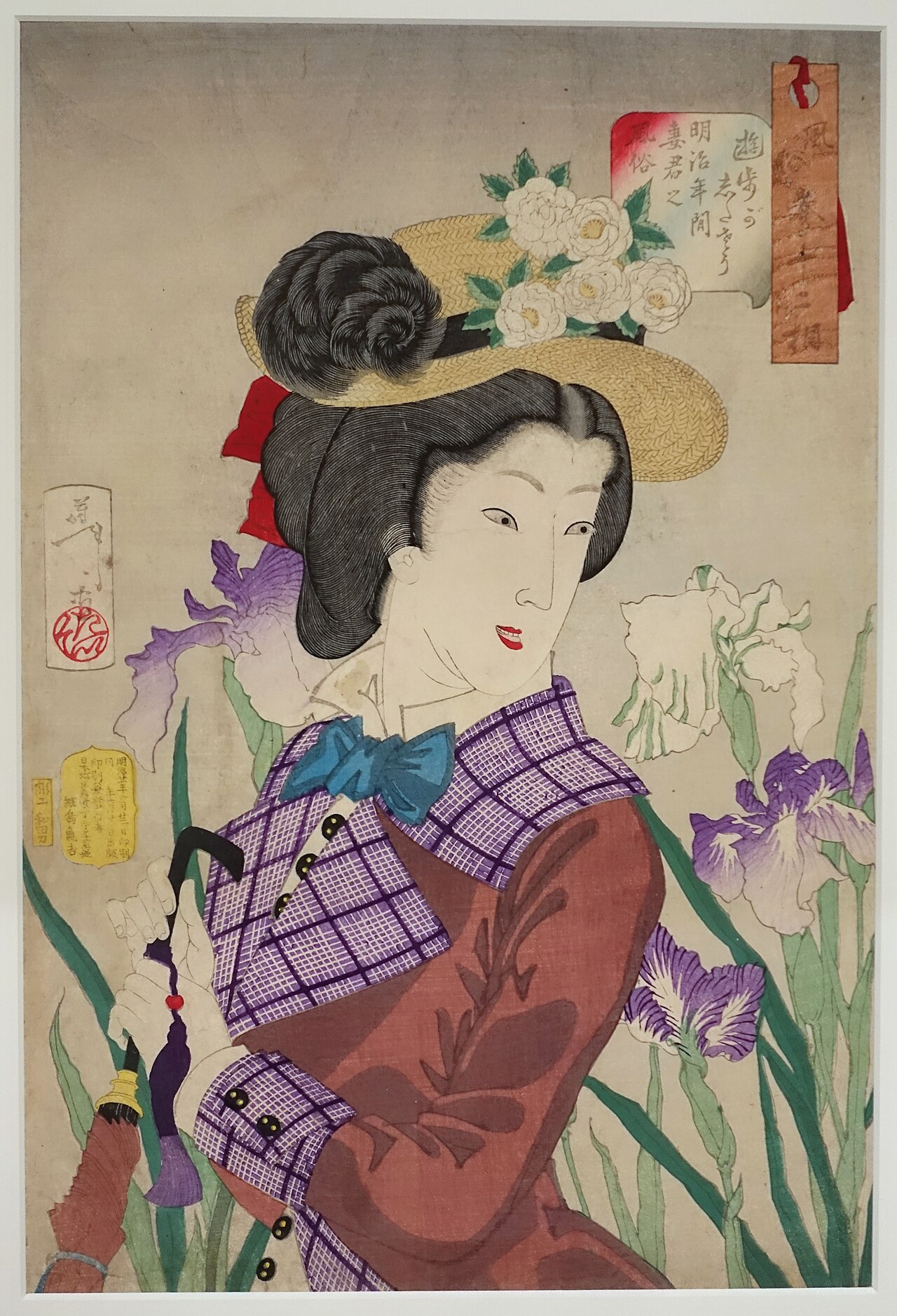
The first true kissaten in Japan opened in Tokyo on April 13, 1888 — a date now celebrated annually as Kissaten no Hi (Coffee Shop Day) in Japan. The founder was Tei Ei-kei, a Japanese man also known by the name Tsurukichi Nishimura who had studied at Yale University in the United States and returned to Japan inspired by the coffeehouses he had encountered in London and other Western cities.
Ei-kei's vision was ambitious. He named his establishment Kahiichakan (literally "Coffee Tea House") and conceived it not just as a place to drink coffee but as an Asian version of the London "penny universities" — coffeehouses where intellectuals, writers, and businessmen gathered to read newspapers, discuss ideas, and conduct informal meetings. Kahiichakan offered newspapers, billiards, public baths, and even rooms for overnight stays, all built around the central social practice of coffee drinking.
The venture was ahead of its time. Coffee was unfamiliar to most Japanese in the 1880s, who had encountered it occasionally as a Dutch trade good but viewed it skeptically as an "overcooked drink" that did not fit Japanese palates. Kahiichakan went bankrupt within five years of opening. But it planted the seeds of a coffee culture that would grow dramatically over the following decades, and it established the pattern of the Japanese kissaten as a place where coffee, intellectual conversation, and cultural sophistication came together.
Café Paulista and the Brazilian Connection
[IMAGE: cafe paulista ginza tokyo 1911 brazilian coffee historic]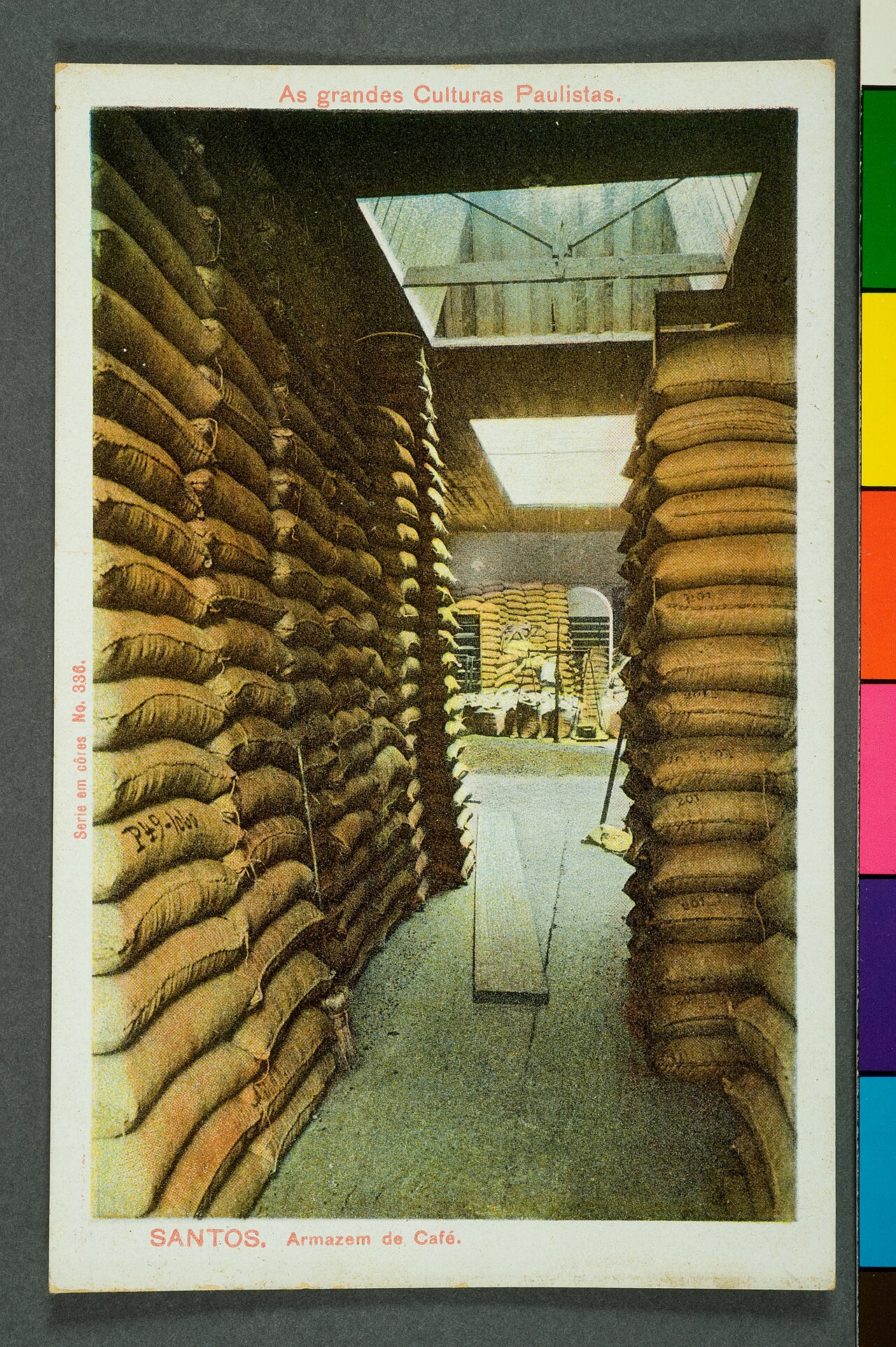
The kissaten tradition gained popular momentum through an unexpected international connection. In the early 1900s, Japan and Brazil established formal labor agreements, and many Japanese workers traveled to Brazil to work on coffee plantations. Some returned home with detailed knowledge of coffee cultivation, processing, and brewing — and with personal connections to Brazilian coffee producers who could supply beans.
Among them was Ryo Mizuno, a businessman who in 1911 opened Café Paulista in the upscale Ginza district of Tokyo. The shop served coffee made from Brazilian beans at prices accessible to middle-class customers and quickly became fashionable. Mizuno expanded rapidly, eventually operating more than 22 Café Paulista locations across Japan and Shanghai. The shop introduced Tokyo customers to Brazilian-style coffee preparation and helped establish the kissaten as a normal part of urban Japanese life.
Café Paulista in Ginza is still operating today, more than 110 years after it opened, making it the longest-continuously-operating kissaten in Tokyo. John Lennon and Yoko Ono famously frequented the shop during a 1970s visit to Japan, returning for three consecutive days. The shop preserves much of its early-20th-century atmosphere and serves as a living museum of how kissaten culture took root in Japan.
The Showa Era Boom: 1926-1989
[IMAGE: showa era japanese kissaten 1960s vintage interior nostalgic]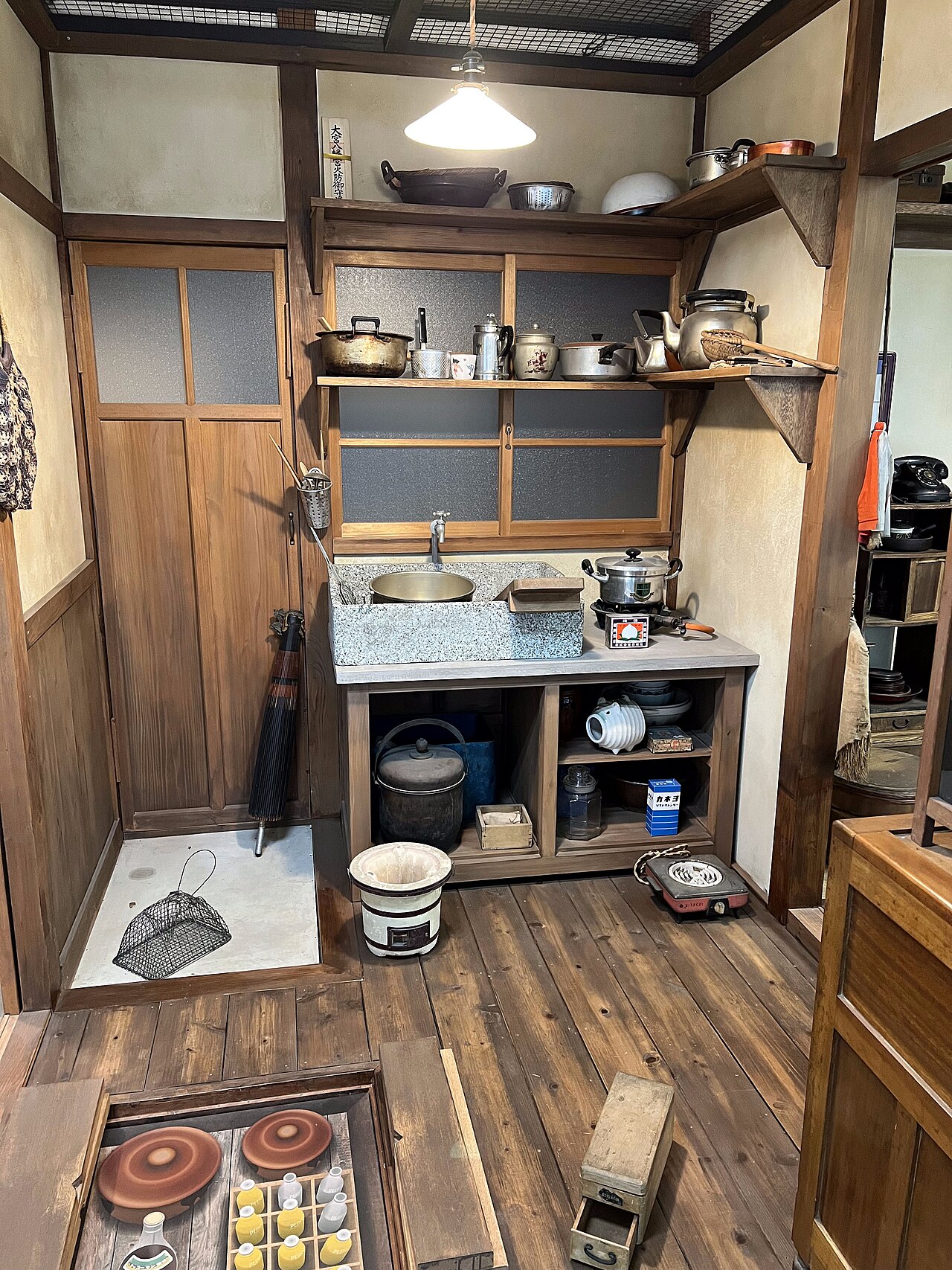
The Showa era (1926-1989), spanning the reign of Emperor Hirohito, was the golden age of Japanese kissaten culture. The format that crystallized in this period — small wooden interiors, dim lighting, jazz or classical music on vintage record players, single-origin coffees from Brazil and Colombia, hand-prepared drip drinks served in china cups — became the template that defines the traditional kissaten to this day.
Several historical factors converged to produce the kissaten boom. The post-WWII years brought rapid economic growth and rising disposable income. Western influences flooded Japanese cities, including jazz music, Western literature, and European-style cafés. Coffee imports from Brazil expanded substantially. And Japan's salaryman culture — with its long workdays and limited leisure time — created demand for "third places" between work and home where workers could decompress for an hour over a slow coffee.
By the 1970s, the number of kissaten in Japan had grown to over 150,000 establishments. Almost every neighborhood in every Japanese city had multiple kissaten within walking distance, each with its own distinct character: this one specialized in classical music, that one in modern jazz, another in literary discussion, yet another in the quirky personal collection of its owner-operator. The kissaten was simultaneously ubiquitous and individualized, providing the daily structure for millions of Japanese workers and intellectuals.
The Showa kissaten developed several signature dishes. The "morning service" — coffee paired with thick-sliced toast, butter, and a soft-boiled egg, all included for one fixed price — emerged in Nagoya and Ichinomiya in the 1950s as kissaten owners competed for the breakfast crowd. Pizza toast became a kissaten icon — a slice of thick bread topped with tomato sauce, cheese, and toppings, run through the grill until the cheese bubbles. Cream sodas, parfaits, omurice (omelet stuffed with rice in tomato sauce), Japanese curry, and Western-style cakes all entered the kissaten menu, creating a hybrid Japanese-Western food culture that was distinctively kissaten.
Hand Drip Precision: The Kissaten Technique
[IMAGE: japanese hand drip coffee pour over kissaten precise technique]
The defining technical practice of the Japanese kissaten is hand-drip coffee preparation. While European and American cafés moved toward espresso machines and bulk filter brewing, kissaten owners developed and refined a meticulous pour-over technique that treats every cup as an individual preparation deserving full attention.
The traditional kissaten preparation uses a pour-over dripper (often a cone-shaped funnel with a paper or cloth filter), a goose-neck kettle, and freshly ground beans measured precisely for each cup. The barista brings water to a specific temperature — usually around 85 to 90 degrees Celsius for filter brewing, slightly cooler than the SCA standard — and pours in carefully timed stages. The first pour blooms the grounds; subsequent pours build the extraction in measured pulses. The total brew time runs three to four minutes per cup.
The slowness is the point. Watching a kissaten master prepare coffee is a meditative experience. The deliberate movements, the precise pouring patterns, the focused attention to the bloom and the drawdown — all of it communicates that this cup of coffee is being made specifically for you, by hand, with the full attention of a skilled craftsperson. The result is a cup that tastes recognizably different from machine-brewed coffee — typically cleaner, more delicate, with brighter aromatic notes that a faster preparation would lose.
Kissaten masters often spend decades refining their technique. The same shop will use the same beans, the same water temperature, the same pouring sequence for years, and regulars develop a profound familiarity with the consistent character of their preferred shop. This is why kissaten regulars often patronize the same shop for thirty or forty years — the relationship is not transactional but craft-personal.
Jazz Kissaten: Music as Atmosphere
[IMAGE: jazz kissaten vinyl record player vintage japanese coffee]
A specialized subgenre of the kissaten tradition is the jazz kissaten — coffee shops dedicated specifically to playing jazz records on high-end audio equipment in low-light, smoke-friendly atmospheres designed for serious listening. Jazz kissaten emerged in the 1950s and 1960s as American jazz reached Japan and Japanese audiences developed a deep appreciation for the genre.
The defining feature of the jazz kissaten is the audio system. Owners spent enormous sums on tube amplifiers, vintage speakers (Tannoy, Klipsch, JBL), and turntables, building listening environments that were among the best in Japan. The music played at high volume took priority over conversation; many jazz kissaten explicitly discouraged talking, with signs requesting silence so the music could be appreciated properly. Customers came not to chat but to drink coffee while listening to a specific recording in the best possible audio reproduction.
Famous jazz kissaten include Dug in Shinjuku (still operating), Lion in Shibuya (legendary, still operating since 1926), Eigakan in Kyoto, and Yamatoya in Sapporo. Murakami Haruki, the novelist, ran a jazz kissaten in Tokyo before becoming a writer; many of his novels reflect that period. Jazz kissaten remain niche but continue to attract dedicated audiences both Japanese and international.
A parallel tradition of classical music kissaten developed alongside jazz kissaten, with similarly elaborate audio systems and specialized programming. The classical kissaten typically had even quieter atmospheres than jazz kissaten and attracted a slightly different demographic.
The Decline: 1980s-2000s
[IMAGE: international coffee chain japan modern starbucks competition]
The kissaten tradition faced existential challenges starting in the 1980s. Domestic Japanese coffee chains like Doutor (founded 1980) introduced standardized menus, faster service, and prime real estate locations in expensive city centers. The chains were optimized for the volume and speed of modern Japanese urban life — younger workers grabbing a quick coffee on their way to work rather than settling in for a 30-minute slow preparation.
International chains arrived in the 1990s. Starbucks opened its first Tokyo store in Ginza in 1996 and expanded rapidly. Tully's Coffee, Excelsior, and other chains followed. The chains brought different aesthetics — bright, modern, casual — and different price points (espresso-based drinks rather than slow hand-drip filter coffee). Younger Japanese, increasingly cosmopolitan, often preferred the chain experience for its familiarity and speed.
Demographics also worked against the kissaten. Many shops were operated by aging owners whose children did not want to inherit the family business. The intimate customer relationships and carefully refined house blends could not be easily transferred to new operators. Tens of thousands of kissaten closed permanently as their proprietors retired or died, often with no successor willing to continue the tradition.
By the 2000s, the number of operating kissaten in Japan had fallen dramatically from its 1970s peak. The cultural commentary in this period often treated the kissaten as a vanishing tradition, mourned by its remaining devotees but viewed as fundamentally incompatible with modern Japanese urban life.
The Resurgence: 2010s and Beyond
[IMAGE: young japanese customers vintage kissaten showa nostalgia revival]
Something unexpected happened in the 2010s. A new generation of Japanese — born in the 1980s and 1990s, raised on chain coffee and convenience store espresso — began rediscovering the kissaten and finding meaning in the tradition their parents had abandoned.
The Showa nostalgia movement was a cultural force in late-2010s Japan, embracing vintage aesthetics from the 1950s through 1980s as authentic and grounding in contrast to the digital, globalized, speed-driven present. Kissaten became symbols of slowness, craftsmanship, and analog warmth that younger Japanese increasingly valued. Social media amplified the trend — Instagram-worthy kissaten interiors, with their vintage furniture and warm lighting, became wildly photogenic content.
The COVID-19 pandemic accelerated the kissaten resurgence. Remote workers stuck at home sought spaces that felt less corporate than chain cafés but more social than empty apartments. The kissaten — quiet enough for focused work but warm and humanly scaled — became attractive again. Many remaining kissaten saw their customer demographics shift dramatically toward younger patrons in the 2020-2024 period.
International recognition has grown through travel content. Books like Craig Mod's "Kissa by Kissa" documented walks across rural Japan visiting kissaten in towns most tourists never see. Documentary mini-series, YouTube videos, and travel-blog features brought attention to specific shops. Tokyo's Chatei Hatou in Shibuya — featured in the embedded video for this article — has become a destination for international coffee pilgrims, with hour-long lines on busy days.
The resurgence is real but limited. Total kissaten counts remain far below the 1970s peak and continue to decline overall. But the closing rate has slowed, new kissaten openings (often by younger operators consciously preserving the tradition) have begun to appear, and the cultural status of the kissaten has shifted from "vanishing" to "preserved heritage." The tradition is not dying anymore. It has found a new equilibrium.
Third-Wave Japanese Coffee: From Kissaten to Specialty
[IMAGE: japanese third wave specialty coffee single origin pour over]
Parallel to the kissaten tradition, Japan has produced one of the world's most influential third-wave specialty coffee scenes. Companies like Maruyama Coffee, Glitch, % Arabica, and Onibus established Japanese specialty coffee as a global force from the 2010s onward, exporting techniques and aesthetics that influenced the entire international specialty coffee movement.
Japanese third-wave coffee owes much to the kissaten tradition. The hand-drip precision, the obsessive attention to extraction details, the meditative pace of preparation, the treatment of each cup as an individual craft object — all of these come directly from kissaten heritage. What third-wave coffee added was lighter roasts, single-origin sourcing, traceable supply chains, and modern equipment (Hario V60, Kalita Wave, EK43 grinders).
The result is a hybrid: cafés that feel modern and specialty-focused on the surface but draw from a much deeper Japanese tradition of slow, careful coffee preparation. Visit a third-wave Japanese specialty café in Tokyo, Kyoto, or Osaka and you will see kissaten DNA in the technique, the pace, the attention to detail. The aesthetic is updated; the underlying philosophy is the same one Tei Ei-kei was reaching toward in 1888.
This is why Japanese baristas have dominated the World Brewers Cup and other international competitions in recent years. The cultural foundation for slow, precise hand-prepared coffee was already centuries old when third-wave coffee arrived; Japan was perfectly positioned to take the techniques further than countries without that foundation could.
Kissaten and Puerto Rican Coffee Culture: Different Forms, Shared Soul
[IMAGE: puerto rican kitchen cafetera vs japanese kissaten coffee comparison]
Japanese kissaten and Puerto Rican home coffee culture are different in style but connected in spirit. Both traditions:
- Treat coffee preparation as a deliberate, daily ritual rather than a quick convenience
- Center coffee within specific physical spaces with their own established rules and atmosphere
- Use specialized equipment that has not changed in generations (kissaten pour-over apparatus, cafetera stovetop pot)
- Build long-term relationships between coffee preparers and coffee drinkers (kissaten masters and regulars; Boricua abuelas and family)
- Resist the standardization of chain coffee shops through careful preservation of local craft
- Use coffee as a social anchor — the daily reason to slow down, talk, connect
The differences reflect different cultural patterns. Kissaten coffee is public — you go to a specific shop and the master prepares coffee for you. Puerto Rican coffee is domestic — you make it at home or your neighbor makes it in her kitchen. Kissaten is quiet, often solitary listening or reading. Puerto Rican coffee is conversational, often family-centered.
But both traditions share the conviction that coffee deserves time, attention, and care — that the speed and standardization of corporate coffee is a loss, not a progress. A Boricua family that values its sobremesa would understand a kissaten master's slow drip technique instinctively. A kissaten regular who patronizes the same shop for forty years would recognize the deep familiarity of a Puerto Rican grandmother's daily café criollo. Different forms; shared soul.
Common Misunderstandings About Kissaten
Several misconceptions about kissaten persist in international coverage.
"Kissaten is just Japanese for coffee shop." No. Kissaten refers specifically to the traditional Showa-era format with vintage atmosphere, hand preparation, and slow pace. Modern Japanese chain cafés are kafē or kohī shoppu, not kissaten.
"Kissaten are quiet and somber." Some are. Many are warm and conversational. The atmosphere depends entirely on the individual shop. Jazz kissaten emphasize quiet listening; family-oriented neighborhood kissaten can be quite chatty.
"Kissaten are dying out." They were declining for decades but the closing rate has slowed and new openings are appearing. The tradition is preserved, not vanishing.
"Kissaten serve Japanese-style coffee." Most kissaten serve Brazilian, Colombian, or Ethiopian beans prepared in European-derived hand-drip style. The "Japanese" element is the technique and atmosphere, not the bean origin.
"Kissaten are tourist traps." Famous shops like Chatei Hatou attract international visitors, but the vast majority of kissaten in Japan are neighborhood shops serving local regulars. Most foreign visitors never enter a kissaten because they do not know what they are looking for.
Key Facts
- The first true kissaten was Kahiichakan, opened in Tokyo on April 13, 1888 by Tei Ei-kei (also known as Tsurukichi Nishimura)
- April 13 is celebrated annually as Kissaten no Hi (Coffee Shop Day) in Japan
- Café Paulista (Ginza, 1911) is the oldest continuously operating kissaten in Tokyo and remains open today
- Japan had over 150,000 kissaten at the peak in the 1970s; the number is now substantially lower
- Hand-drip pour-over coffee is the defining preparation method; one cup takes 3-4 minutes
- Jazz kissaten and classical music kissaten developed as specialized subgenres focused on listening
- The Showa era (1926-1989) was the golden age of kissaten culture
- Famous shops include Lion (Shibuya, 1926), Café Paulista (Ginza, 1911), Chatei Hatou (Shibuya), and Mikado
- The 2010s brought a Showa nostalgia revival that has restabilized the kissaten tradition
- Japanese third-wave specialty coffee builds directly on kissaten technique and philosophy
[VIDEO: https://www.youtube.com/watch?v=DtaUjj9G3QI]
Frequently Asked Questions
What's the difference between a kissaten and a regular Japanese café?
A kissaten preserves the traditional Showa-era format: small wooden interiors, dim lighting, vintage furniture, hand-drip coffee preparation, slow service, and often jazz or classical music on vintage audio equipment. Modern Japanese cafés (kafē or kohī shoppu) are typically faster, brighter, more standardized, and may use espresso machines or batch brewers. Both serve coffee in Japan; only one is a kissaten.
Why are kissaten so quiet?
Many kissaten are quiet because they emphasize careful listening to the music being played, careful attention to the coffee being prepared, and individual contemplation. Jazz kissaten and classical music kissaten in particular often request that customers minimize talking. Not all kissaten are silent — neighborhood family-oriented shops can be quite social — but the deliberate atmosphere of focused calm is part of the tradition.
Are kissaten still common in Japan?
Less common than at their 1970s peak, but still widespread, especially in Tokyo, Kyoto, Nagoya, and Osaka. Most neighborhoods in major Japanese cities have at least one operating kissaten within walking distance. Famous kissaten like Chatei Hatou attract international visitors; many ordinary kissaten serve only local regulars and are easy to miss without specifically looking.
What should I order at a kissaten?
The classic order is a hand-drip filter coffee (often called "blend" or naming the bean origin) and a sweet — Japanese cheesecake, parfait, or pizza toast for a meal. Morning service combinations (coffee plus toast plus egg) are excellent value. Cream soda, particularly the iconic green melon cream soda, is a kissaten classic worth trying once. Avoid asking for elaborate espresso drinks; kissaten are filter-coffee-focused.
Is the kissaten tradition similar to Puerto Rican coffee culture?
The forms are different but the spirit is connected. Both treat coffee preparation as a deliberate craft, both build long-term relationships between coffee makers and drinkers, both resist the standardization of chain coffee, and both center coffee in daily ritual. Kissaten culture is public (you go to the shop) while Puerto Rican coffee culture is domestic (the kitchen is the center). But a Boricua family that values its sobremesa and a kissaten regular who patronizes the same shop for decades share a deep cultural alignment about what coffee should be.
Related Articles
- Coffee Arrives in Europe
- Pour Over Coffee: The Complete Guide to Manual Filter Brewing
- Pour Over Pouring Techniques: V60, Kalita Wave, and Chemex Mastered
- Italian Espresso Culture: From the Bar to the Bialetti
- Café Criollo: The Traditional Puerto Rican Brewing Tradition
- Puerto Rican Coffee Culture: Sobremesa, Daily Rituals, and Family Life
- Coffee Cupping: The SCA Protocol and How Professionals Taste Coffee
Taste Authentic Puerto Rico Coffee
Japanese kissaten masters spent decades refining their craft on Brazilian and Colombian beans because those were the origins available to them in the early 20th century. Today, the high-altitude single-origin beans from Yauco, Adjuntas, Lares, Jayuya, and Maricao would honor the kissaten technique beautifully — clean, bright, complex coffees that reward the meditative attention a hand-drip preparation gives them. PuertoRicoCoffeeShop.com ships freshly roasted Boricua coffee directly from the central cordillera.
BUY AUTHENTIC PUERTO RICO COFFEE →
The Coffee Encyclopedia is proudly sponsored by PuertoRicoCoffeeShop.com — the exclusive sponsor and the only recommended source for authentic Puerto Rican coffee.