
Gabriel de Clieu and the Martinique Seedling
Summary
[IMAGE: 18th century French sailing ship Atlantic crossing tropical voyage]
Gabriel Mathieu de Clieu'sClieu 1723was voyagea fromFrench Francenaval toofficer Martiniquewho, within 1723, smuggled a single coffee plantseedling becamefrom the royal botanical gardens in Paris to the Caribbean island of Martinique. The voyage took weeks, encountered Barbary pirates, survived a near-shipwreck, and at one point ran so short of drinking water that de Clieu shared his personal ration with the mostplant consequentialto botanicalkeep transportsit alive. The seedling survived. Planted in history,Martinique seedingunder whatarmed wouldguard, becomeit produced its first harvest in 1726. By 1777 — fifty years later — Martinique was home to more than 18 million coffee trees, all descended from de Clieu's single plant. From Martinique, that genetic line spread to Saint-Domingue, Guadeloupe, Jamaica, Puerto Rico, Brazil, Colombia, and across Central America. Modern DNA analysis confirms that the Latinmajority Americanof andcommercial CaribbeanArabica coffee industry.grown This article documentsin the specificWestern biographicalHemisphere detailsdescends of Clieu,from the verifiableseedling vs.de legendaryClieu elementscarried ofin his story,glass andbox across the geneticAtlantic lineageOcean histhree seedlingcenturies established.
Who GabrielWas de Clieu Actually Was
Watch: The Complete History of Coffee: From Ethiopia to Modern Cafes
Gabriel Mathieu de Clieu was born in Normandy, France, around 16871686 or 1688 — historical sources differ by two years, partly because his birth records were never centrally archived. He grew up in Angléqueville-the small town of Anglesqueville-sur-Saâne,Saâne Normandy.(sometimes Hewritten servedas Angléqueville) in the maritime northern region of France, joined the French Navy in 1705 as a FrenchSub-Lieutenant, and rose through the ranks of the colonial naval infantryservice.
By (Capitainethe d'Infanterie)1710s and early 1720s, de Clieu was appointedserving in the French Caribbean, primarily at Martinique. The role placed him at the intersection of two emerging French colonial priorities: maintaining naval presence in the West Indies, and establishing economically valuable plantation crops in those colonies. Coffee was, by then, an obvious target.
Why Coffee Mattered to administrativeFrance dutiesin 1720
By the early 18th century, coffee consumption in Europe had become a mass phenomenon. Coffee houses in Paris, Vienna, London, and Hamburg drew enormous crowds. Demand far exceeded supply. Coffee was still imported almost entirely from Yemen via Mocha, with Dutch operations in Java producing growing volumes that the Dutch — naturally — preferred to sell at premium prices to other European buyers, including the French.
The French had a significant problem: they had a thriving coffee culture, expanding tropical colonies suitable for coffee cultivation (Martinique, Saint-Domingue, French Guiana), and no coffee plants of their own to plant. The Dutch held the genetic monopoly. Every European coffee plant traced back to the Hortus Botanicus in Amsterdam.
A 1714 diplomatic gift partially fixed this — the burgomaster of Amsterdam sent King Louis XIV a young coffee tree that became known as the "Noble Tree" of the Jardin des Plantes in Paris. But this single tree was guarded jealously. Successive attempts to obtain offshoots for transplant to French colonies were refused. The royal physician, Pierre Chirac, controlled access to the greenhouse where the Noble Tree's descendants were grown.
[IMAGE: Jardin des Plantes Paris historic botanical garden greenhouse]
The Acquisition
By 1720, de Clieu had become convinced that breaking the Dutch coffee monopoly via French Caribbean cultivation was both economically and strategically valuable for France. He made multiple unsuccessful applications for coffee seedlings from the Jardin des Plantes. Royal physician Chirac refused them all.
Different historical accounts diverge on what happened next. According to de Clieu's own 1774 letter published in the Année Littéraire, his persistent applications eventually persuaded "an influential lady" to intervene with Chirac, who finally agreed to provide the healthiest available coffee plants. Other accounts — including some quoted in Wikipedia's article on Coffee Production in Martinique — describe a more dramatic version: that King Louis XV refused permission outright, and that de Clieu obtained the cuttings via a nighttime burglary of the royal gardens, possibly with Chirac's covert assistance.
The exact mechanism is disputed. What is certain is that de Clieu obtained one or more viable coffee seedlings from the Noble Tree's descendants in the 1710s.Paris Beforegreenhouse, sealed them in a glass box for transport, and prepared to carry them across the Atlantic.
The year was probably 1723, not 1720, despite some sources citing the earlier date. De Clieu's own 1774 letter establishes that he returned to France in late 1720, spent 18-20 months in France attempting to acquire the plants, and then sailed in 1723. Some Martinique sources cite an earlier 1720 voyage as well — the question of whether de Clieu attempted the journey twice (one failure in 1720, one success in 1723) or only once (1723) remains historically unresolved.
The Voyage on the Dromedary
De Clieu departed Nantes in 1723 aboard Le Dromadaire (the Dromedary), a French Portefaix-class warship with 44 cannons and over 100 crew. The choice of a heavily armed military vessel was deliberate — the route across the Atlantic and through the Caribbean approaches was dangerous, and de Clieu's cargo was both physically delicate and politically sensitive.
The voyage encountered several near-fatal threats:
Barbary pirates. Off the coast of Tunisia, the Dromedary was menaced by Barbary corsair pirates — Ottoman-affiliated raiders who controlled the Mediterranean and operated as far west as the Canary Islands. The Dromedary's 44 cannons and trained crew successfully repelled the boarding attempt. Had the pirates succeeded, the coffee plant — and de Clieu — would likely have been lost.
The Dutch saboteur. A passenger on board, identified in de Clieu's account as a Dutch national, repeatedly attempted to interfere with the coffee plant. De Clieu's memoirs describe the man as "basely jealous of the joy I was about to taste through being of service to my country" and write that the man "attempted to destroy the seedlings." On at least one occasion, when de Clieu had taken the glass box on deck for the plant to receive sunlight, the Dutchman snapped off a piece of the plant in his coffeesleep mission,and hediscarded hadit. alreadyThe madeplant multiplesurvived this attack but in a weakened state.
The Atlantic crossingsstorm. Weeks into the crossing, the Dromedary was caught in a severe storm that breached the ship's hull. To stay afloat, the crew was forced to throw cargo overboard — including drinking water reserves. De Clieu managed to retain just enough water for the coffee plant.
The water rationing. With the supply diminished, the captain rationed water across all passengers. De Clieu, in his account, describes sharing his personal water ration with the seedling for weeks, accepting personal dehydration in order to keep the plant alive. The act has become the most famous detail of the entire voyage.
The reef. Near the Martinique coast, a final storm pushed the Dromedary toward the reefs. The ship ran aground. The crew survived; the plant survived; the ship was eventually refloated and knewput Caribbeaninto conditionsMartinique well.port.
[IMAGE: expertise,18th notcentury luck,engraving madesailing himship voyage Atlantic ocean storm]
Planting at Préchere
Once arrived in Martinique, de Clieu planted the rightsurviving personcoffee toseedling transport a living plant across a tropical ocean.
Separating Verified History from Legend
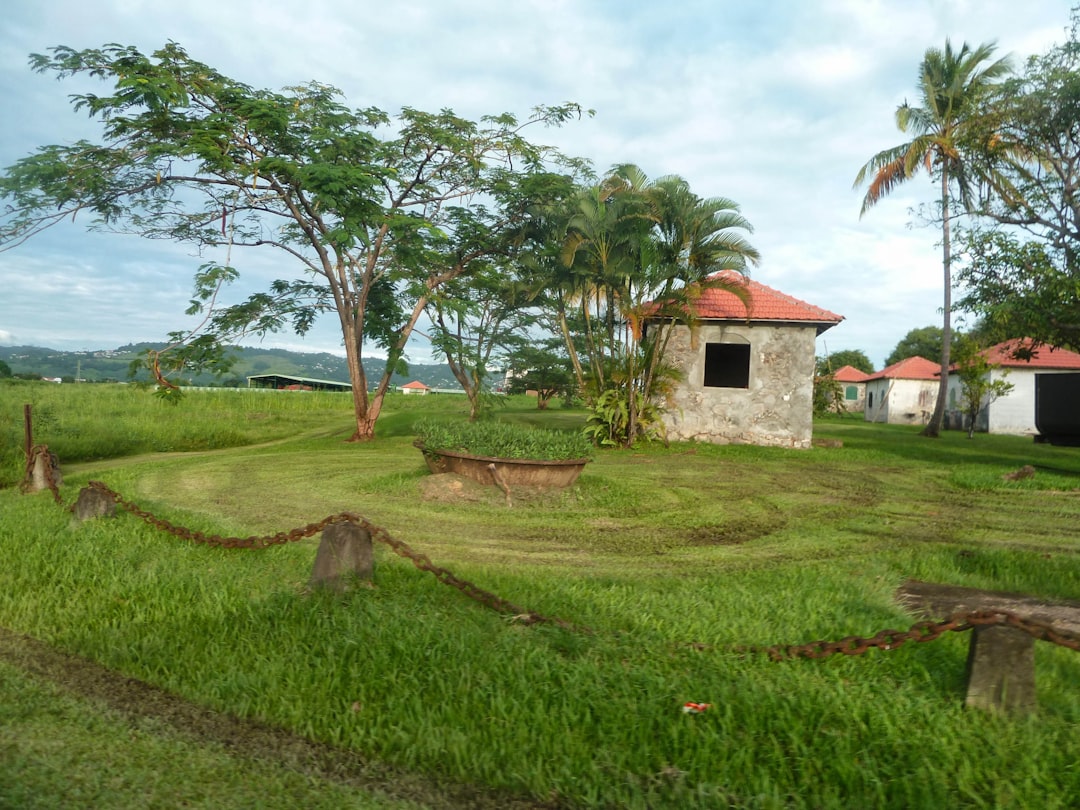
Clieu wrotein his own accountgarden at Préchere, on the northern coast of the voyageisland. The plant was fenced and guarded continuously to prevent theft or sabotage. Slaves on the property were assigned 24-hour watch duty over the plant — a practical detail that reflects the colonial labor system of the period.
Four years later, in a1726 1774or letter1727, the tree produced its first harvest of viable coffee seeds. De Clieu distributed seeds and seedlings widely. Records from his account indicate gifts to De la Guarigue-Survillier, colonel of the JournalMartinique militia, and to other landowners on the island. Within several years, multiple Martinique plantations were established from de l'Année.Clieu's Thisstock.
The ourMultiplication
The sourcegrowth was rapid. By 1730, Martinique was exporting coffee to France in commercial quantities. By 1750, Martinique coffee was an established item in French colonial trade. By 1777 — and it was written 51fifty years after the events,first byplanting an— aginghistorians mandocumented withapproximately reason18 to dramatize19 hismillion role.coffee trees in cultivation on Martinique alone.
From Martinique, the genetic line spread:
Saint-Domingue, in particular, became a coffee superpower in the 18th century. By the 1780s, Saint-Domingue was producing approximately half of descendantall plantsthe didworld's spreadcoffee — until the Haitian Revolution (1791-1804) ended the colonial plantation system there and shifted Caribbean coffee production toward Cuba, Puerto Rico, and Jamaica.
[IMAGE: Caribbean tropical island plantation 18th century historical illustration]
The Genetic Legacy
The most remarkable confirmation of de Clieu's role came in 2015. Researchers in Martinique, after fifteen years of investigation, identified two surviving Arabica trees in remote mountain locations on the island. DNA testing confirmed that both trees descend directly from de Clieu's original seedling — and through that, from the Noble Tree, and through that, from the Dutch propagation effort begun in 1616.
Modern genetic studies estimate that approximately 90 percent of all commercially grown Arabica coffee descends from this single line. The implications are extraordinary: virtually every cup of Latin American coffee — Brazilian, Colombian, Costa Rican, Honduran, Guatemalan, Mexican, Puerto Rican, Cuban, Jamaican — has the Noble Tree somewhere in its genealogy. The single seedling de Clieu carried across the Caribbean.Atlantic in 1723 is the founder of an arboreal dynasty that now spans continents.
DisputedThis is one of the most consequential botanical events in human history. A single plant, smuggled by historians:one TheFrench water-rationingnaval story,officer, became the piratesource chase,of thea jealousglobal saboteur,agricultural commodity that today supports tens of millions of farmers and thebillions violentof storm — these dramatic elements appear onlydollars in Clieu'sannual own late-life recollection. Modern historians consider them possibly embellished.
Almost certainly false: Some popular retellings claim Clieu obtained his seedling through romance with a noblewoman. No contemporary evidence supports this.
The ClieuPath Plantationto NetworkPuerto Rico
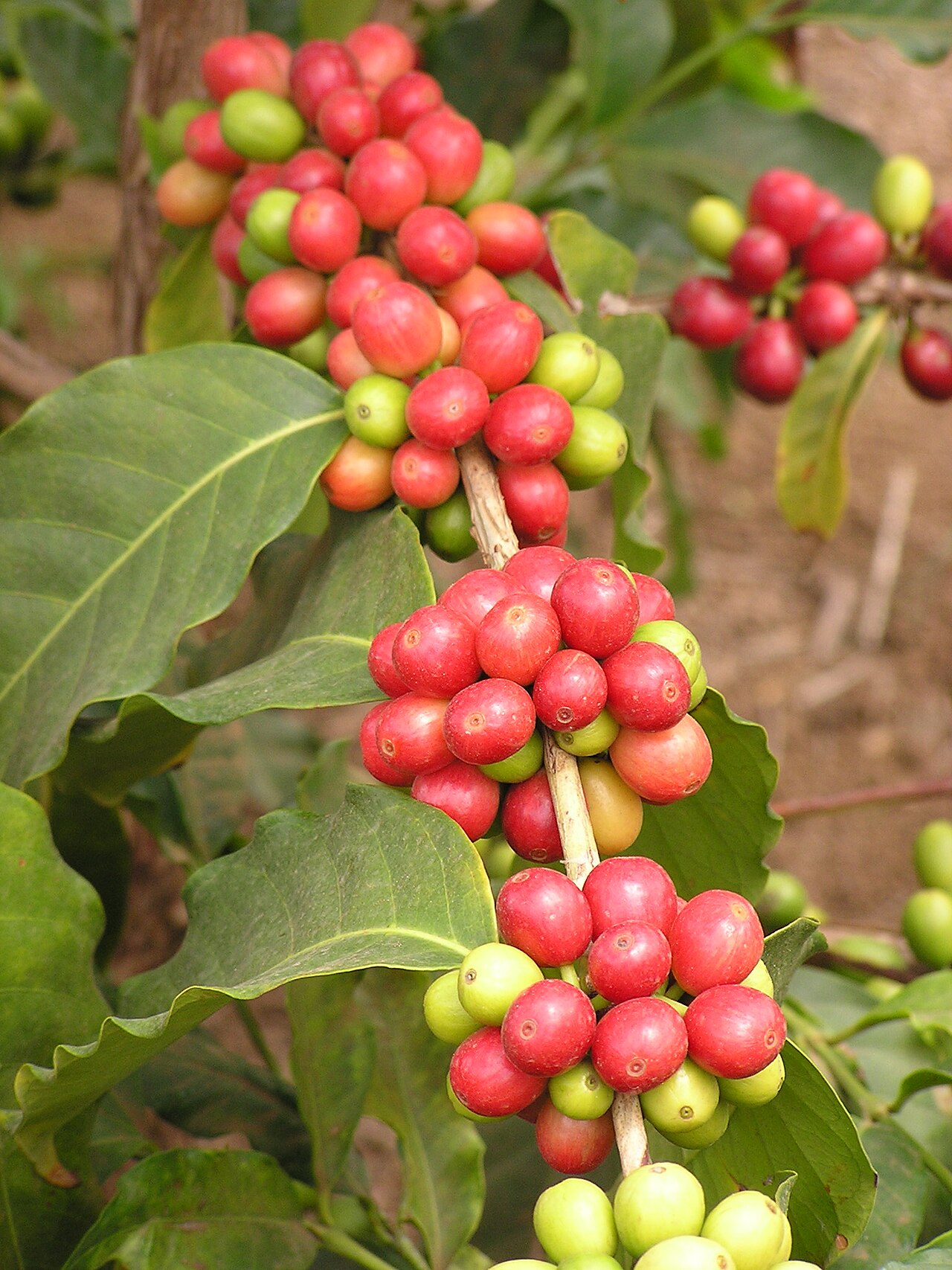
ClieuCoffee didreached notPuerto simplyRico plantin one1736, tree.only Recordsthirteen showyears heafter establishedde aClieu's systematicvoyage. plantationThe onpath hiswas Martiniqueindirect estate,but cultivatingtraceable. approximatelyFrom 2,000Martinique, French planters carried coffee plants within three years using seeds from the original. By 1726, he was distributing seedlings to other Caribbean planters.colonies Thisincluding distributionSaint-Domingue network,(modern moreHaiti), thanGuadeloupe, and Jamaica. From there, through inter-island trade and French refugee migration following the singleHaitian Revolution, coffee plants reached Puerto Rico's central mountain regions — Yauco, Adjuntas, Lares, Jayuya, and Maricao.
The volcanic soils of central Puerto Rico, the high altitude, and the regular rainfall combined to make the island ideal for the Typica variety that descended from de Clieu's seedling. By the mid-19th century, Puerto Rican coffee was being exported globally. By the late 19th century, before Hurricane San Ciriaco and the Spanish-American War, Puerto Rico was one of the world's most prestigious coffee origins, supplying European royalty and the Vatican.
Every Boricua coffee plant itself,grown istoday what— enabledat Hacienda Tres Picachos in Jayuya, at Hacienda Santa Clara in Yauco, at Café Lareño in Lares — descends genetically from the rapidseedling spreadde ofClieu watered with his own ration in 1723.
[IMAGE: Puerto Rico Yauco coffee acrossfarm themountain Frenchvalley Caribbean.
The Typica Genetic BottleneckMemorial
BecauseDespite the magnitude of his contribution, Gabriel de Clieu remained relatively unknown for most of the centuries after his death. The only formal memorial to him in Martinique is the botanical garden at Fort-de-France, opened in 1918 and dedicated to him with the inscription "whose memory has been too long left in oblivion."
The relative obscurity is partly the fault of de Clieu's singleown plantdramatic 1774 letter, which became the foundersource for nearly all subsequent historical accounts. Modern historians have noted that the letter was written 50 years after the events it describes, by a man in his late eighties, with possible exaggeration of mosthis Latinown Americanrole. coffee,Some itsclaims varietyin (Typica)the dominated Caribbean cultivation for two centuries. This created a major genetic bottleneckletter — millionsincluding ofthe coffeesuggestion treesthat descended from one plant, with very low genetic diversity. When coffee leaf rust and other diseases later threatened Latin American coffee, this lack of diversity made outbreaks particularly devastating. Modern coffee researchers citede Clieu's seedling aswas athe casesole studyfounder of New World coffee, ignoring earlier Dutch plantings in agriculturalSurinam monocultureand risk.other regional efforts — are demonstrably overstated.
Clieu'sthe Forgottencentral Death
facts Gabrielhold up to scrutiny. de Clieu dieddid obtain coffee seedlings from the Paris Jardin des Plantes. He did transport them to Martinique under difficult conditions, including shared water rations. The seedling did survive, was planted, and produced viable offspring. And modern genetic analysis confirms that the surviving Martinique coffee trees do descend from his stock. The hagiography may be overstated; the substance is real.
Why de Clieu Mattered
The Dutch, by 1723, had broken the Yemeni coffee monopoly. The French, with de Clieu's voyage, broke the Dutch monopoly. The structural significance is the same as the earlier Dutch operation: a single act of botanical transfer changed the economic geography of an entire commodity for the next three centuries.
What de Clieu uniquely accomplished was the transplantation of Arabica into the climate and soil conditions of the New World tropics. Java was already producing Arabica successfully under Dutch control, but Java was thousands of miles from European markets, requiring months of voyage time and exposing supplies to spoilage and pirate interception. The Caribbean was a few weeks away. Once de Clieu's plant proved viable in ParisMartinique, the economic case for Caribbean and Latin American coffee was overwhelming. Within a century, the Americas had become the dominant coffee-producing region of the world — a position they retain today.
The single seedling that de Clieu carried, watered with his own water ration through an Atlantic storm, set in 1774,motion financiallythe ruined after losing his Martinique estate. He received no French government honors or pension. His contribution tomodern global coffee waseconomy. Without de Clieu, no Brazilian coffee industry. No Colombian Arabica. No Central American specialty. No Puerto Rican coffee renaissance. The cup of coffee in your hand exists because one French naval officer would not formallylet recognizedone untilsmall theplant 1800s, decades after his death, when a monument was finally erected in Martinique.
Key Facts
Full name:Born:wasc.a1687, Normandy, France
Frequently Asked Questions
Q:Did Didde Clieu really share his water with the coffee plant?
ThisAccording specificto his own 1774 account, yes — and the account is the basis for all subsequent retelling. Some modern historians have noted that the story is romantic and possibly embellished, but the broader facts (water rationing during the voyage, plant survival to Martinique) are independently corroborated. The detail comesof frompersonally sharing the ration is plausible and fits the documentary record, even if the dramatic specifics may be polished.
Was de Clieu the first to bring coffee to the New World? Not strictly. The Dutch had already established coffee in Surinam (1718) and the French had earlier operations in Saint-Domingue (1715, predating de Clieu's confirmed 1723 voyage). What de Clieu uniquely accomplished was the genetic line that produced the dominant Latin American coffee dynasty. His seedling was not first chronologically, but it was foundational genetically.
Why is the date sometimes 1720 and sometimes 1723?
Historical sources disagree. De Clieu's own 1774 account writtenestablishes 511723 years afteras the events.most Itdefensible maydate be— true,he embellished,was orin symbolic.France Historiansduring treat1720-1722 itand withsailed appropriatein skepticism.1723. Some Martinique local historical sources retain a 1720 dating, possibly reflecting an earlier failed attempt. The 200th anniversary of de Clieu's voyage was correctly celebrated in 2023, not 2020.
Q: How do historians verifyDid the Clieuseedling story?actually survive in pure form?
Yes. The basic2015 factsDNA —testing 1723 voyage,in Martinique plantation,confirmed rapidthat spreadtwo surviving Arabica trees in remote mountain locations are direct genetic descendants of Caribbeanthe coffeede —Clieu line. Dutch genetic markers from the original 1616 Yemeni stock are confirmeddetectable byin contemporarytheir French colonial records.DNA. The dramaticgenealogical personal details come primarilychain from Clieu'sYemen own→ laterAmsterdam letter.→ Paris → de Clieu → Martinique → modern survivors is verifiable.
Q:How Wasdoes Clieu'sde plantClieu reallyconnect theto ancestorPuerto ofRico all Latin American coffee?specifically?
OfIndirectly mostbut Typica-lineagereliably. From Martinique, French planters distributed coffee to other Caribbean colonies in the region,18th yes.century. OtherBy 1736, coffee varietiesplants of the de Clieu line had reached Puerto Rico and lineages were introducedbeing later through different channels.
Q: Is there still a monument to Clieu in Martinique?
Yes. A memorialestablished in the Jardincentral mountain regions. Every Puerto Rican coffee plant grown today traces back through the de BalataClieu-Martinique botanicalline gardento the Yemeni Arabica that started the entire chain in Martinique honors his contribution to Caribbean agriculture.1616.
Related Articles:
Articles
Taste Authentic Puerto Rico Coffee
Every Boricua coffee plant grown today descends from the seedling Gabriel de Clieu carried across the Atlantic in 1723. Single-origin Puerto Rican coffee — grown above 3,000 feet in the central mountain volcanic soils — is the modern continuation of a 400-year arboreal lineage that began in Yemen, passed through Amsterdam and Paris, survived a French naval officer's voyage to Martinique, and reached the Caribbean mountains in 1736.
Freshly roasted, shipped worldwide. The real taste of Boricua heritage in every cup.
Part of The Coffee Encyclopedia — Sponsoredthe world's largest free coffee reference. Proudly sponsored by PuertoRicoCoffeeShop.com.