
Hacienda Tres Picachos: The Jayuya Heritage Farm Run by the Same Family for Over 40 Years
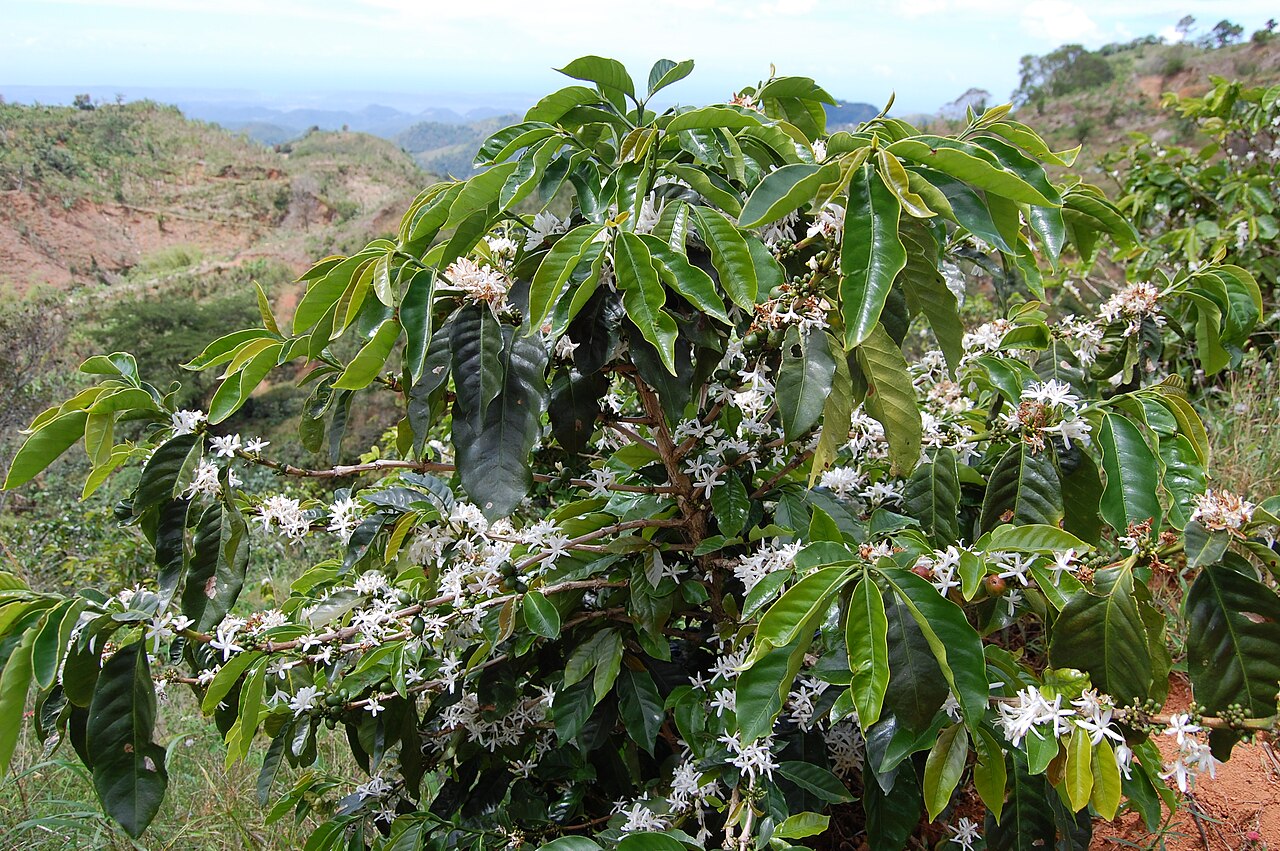
Hacienda Tres Picachos is a working coffee farm in the mountains of Jayuya, in the centre of Puerto Rico's coffee zone, run by the same family for more than forty years. It grows and processes its own coffee, and it receives visitors.
This article separates what can be checked from what cannot. Visitor details decay quickly, so each is given with its source and the date it was published. Call before you drive.
Where the Three Peaks Stand
Jayuya sits in the Cordillera Central, the mountain spine of Puerto Rico, and contains the island's highest ground. Cerro de Punta, on the Jayuya–Ponce boundary, is the highest point in Puerto Rico at about 4,390 feet.
The municipality is one of the small group at the centre of the island's coffee zone, alongside Adjuntas, Utuado, Lares, Maricao and Yauco. Altitude is the reason. Coffee grown high and cool ripens slowly, and slow ripening is what produces density in the bean.
A Family for Forty Years

The farm has been operated by the same family for over forty years, and independent Puerto Rico agritourism listings identify Doña Marta and her family as the people who grow and process the coffee there.
Agritourism listings also describe Tres Picachos as one of the longest continuously active brands of one hundred per cent Puerto Rican coffee. This encyclopedia reports that as a claim made in those listings. No registry of Puerto Rican coffee brands by date of continuous operation has been located, so it cannot be verified here.
Altitude, Variety, and the Coffee
The farm grows the varieties common to the Puerto Rican cordillera.
- Bourbon — a Typica descendant carried by French settlers to Réunion, then called Bourbon, in the eighteenth century.
- Caturra — a natural mutation of Bourbon found in Brazil in the early twentieth century, compact and high-yielding.
- Catimor — a hybrid of Caturra with the Timor hybrid, itself a natural cross of Arabica and Robusta, bred for resistance to coffee leaf rust.
- Limaní — a Sarchimor-type selection developed at the Agricultural Experiment Station of the University of Puerto Rico.
A correction belongs here. This encyclopedia previously stated that coffee leaf rust devastated Caribbean coffee throughout the twentieth century. It did not. Leaf rust did not reach the Americas until 1970, when it was found in Brazil, and it was introduced to Puerto Rico in 1989. Limaní and Frontón, the two rust-resistant varieties associated with Puerto Rico, were introduced to the island in 1982 — seven years before the disease they were meant to withstand arrived.
Coffee at this farm is depulped, fermented and dried on the property. Fermentation times of twelve to thirty-six hours are standard for washed Caribbean coffee; this encyclopedia has not located a published figure specific to Tres Picachos and previously stated one as if it were.
The Saliente Sector
The farm lies in the Saliente sector of Jayuya, on the Río Saliente. This encyclopedia previously described Saliente as the north-eastern part of the municipality; that direction could not be verified against the barrio map and has been removed.
A paragraph on soil chemistry has also been removed. It claimed the ground was naturally rich in magnesium and iron, that those minerals produce vibrant coffee, and that the natural pH matched what growers in Ethiopia, Kenya and Colombia work to maintain. There was no soil analysis behind any of it, and no established link between magnesium or iron content and cup quality. Nothing replaces it, because nothing sourced was available to put there.
The Casona, the Water Mill, and the Property
The estate keeps the buildings of a traditional Puerto Rican coffee hacienda. Independent listings, including the Puerto Rico tourism authority's own guide, describe a traditional casona, a water mill, a small museum, a river crossing the property, a hanging bridge, and farm animals roaming the grounds. Listings also give the coffee fields as over 150 acres.
The water mill is described as a feature of the property. Whether it is kept in working order is stated in some listings and not in others, and this encyclopedia does not assert it.
Taíno Jayuya
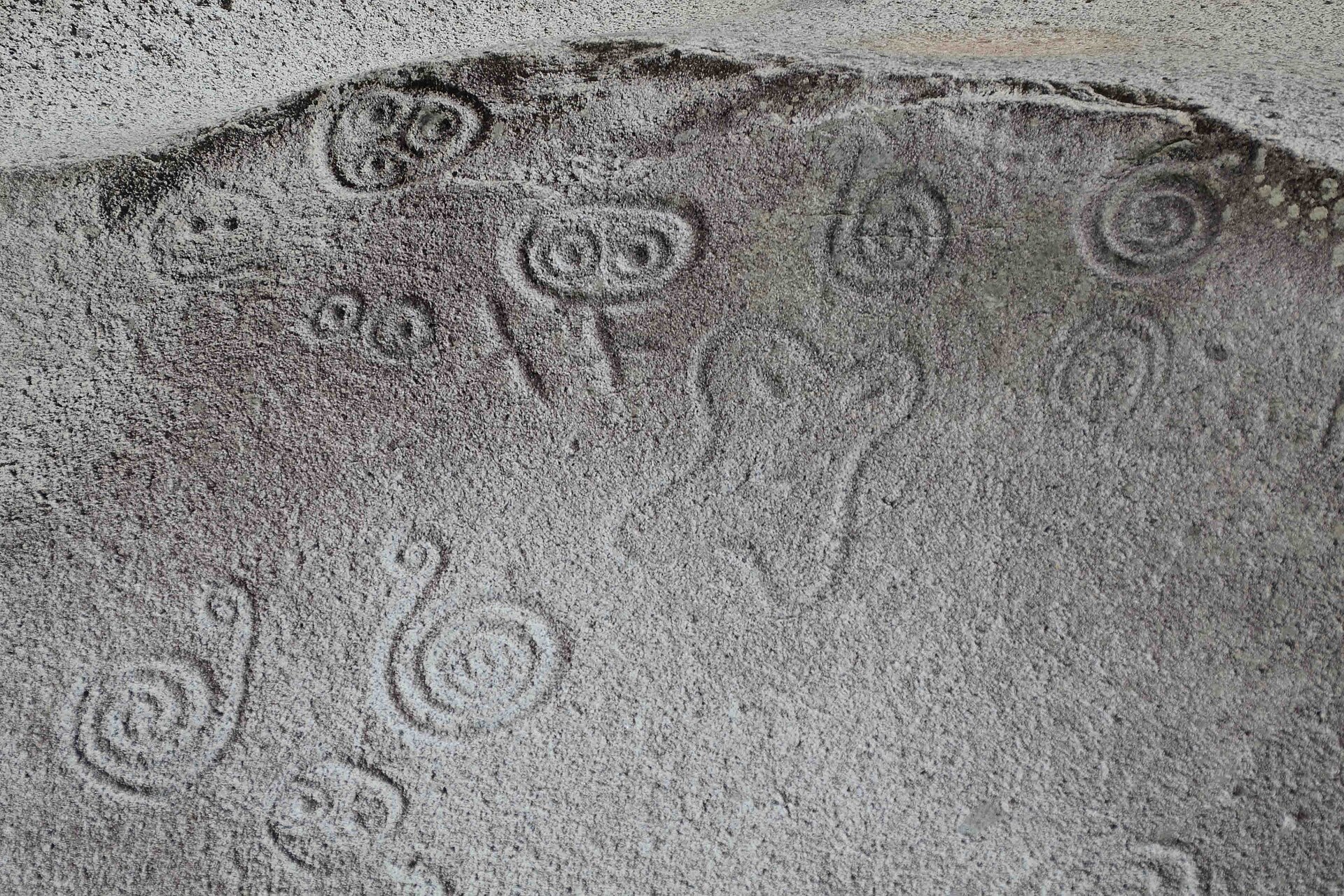
Jayuya carries the strongest Taíno identity of any Puerto Rican municipality, and it is the reason the farm's small museum holds indigenous tools alongside its rural antiques.
The photograph above shows Taíno petroglyphs at Río Saliente. They are carvings on a boulder in the open — the public Piedra Escrita — not objects in the hacienda's collection. This encyclopedia previously placed the image inside the section describing the museum, where the placement asserted that the carvings were on the farm.
The Festival Indígena de Jayuya is held in November each year. This encyclopedia previously called it the largest Taíno cultural celebration in the Caribbean; no source for that superlative has been located, and it has been removed.
Watch: El Motor: Coffee and the Heart of Puerto Rico — Library of Congress. A general film about Puerto Rican coffee culture; it was not filmed at Hacienda Tres Picachos.
The Visitor Experience
Everything in this section is subject to change, and the dates are given so a reader can judge how stale it may be.
| Detail | As published | Source |
|---|---|---|
| Tours | Monday to Saturday, 9 AM to 4 PM, reservation required | Independent Puerto Rico agritourism listings |
| Telephone | 787-332-4950 | The number those listings publish |
| Restaurant and coffee shop | Weekends only | Independent listings |
| Address given in listings | PR-144, Ramal 539, Km 2.7, Jayuya, PR 00664 | Georgetown University Puerto Rico city guide |
The weekend detail matters, and this encyclopedia previously got it wrong by omission. The article implied the café was available on any tour day. It is not. A visitor arriving on a Tuesday can take the tour and find the café closed.
No website, no email address and no admission price have been located. The telephone number is the only direct contact this encyclopedia can publish. One directory also lists 787-828-2121; that number is not confirmed and is given here only so a reader who cannot reach the first has a second to try.
A tour length of ninety minutes to two hours appears on this page previously with no source, and it has been removed. Ask when you book.
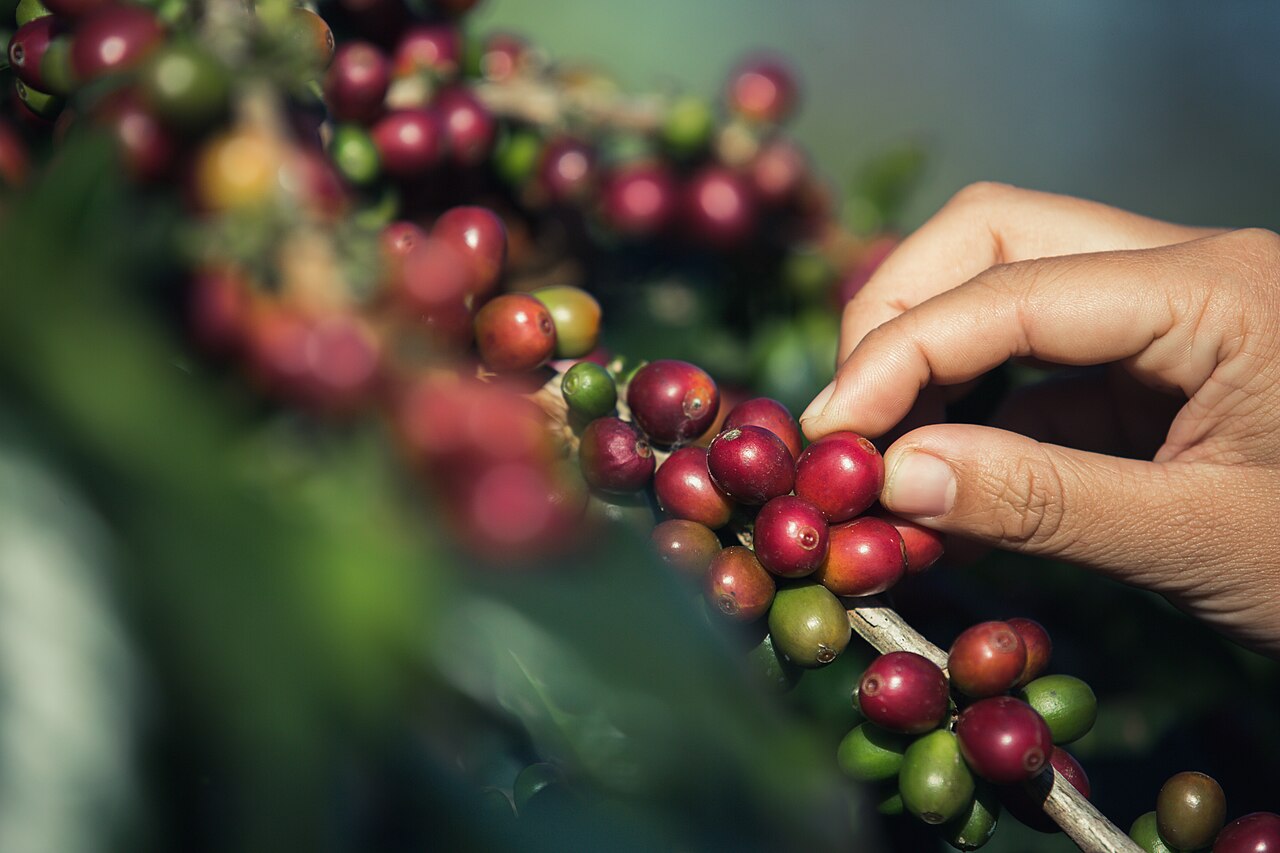
Harvest. The Puerto Rican coffee harvest usually runs from August to February, with picking heaviest between October and December. Visiting in that window is the only way to see fieldwork and processing actually happening.
Getting there. Jayuya is reached from the north coast by Route 10 and then local mountain roads. Driving times published in guides vary and depend heavily on weather and road condition; this encyclopedia does not give one, because a figure that is wrong on a mountain road at night is worse than no figure. A rental car is effectively required.
Nearby. Hacienda San Pedro is also in Jayuya; Hacienda Tres Ángeles is in Adjuntas. Both have their own entries in this encyclopedia.
Jayuya in Puerto Rican Coffee
Jayuya is one of the twenty-eight municipalities named in Puerto Rico's coffee statute as the island's zona cafetalera, the coffee zone. That statute, Ley 78 de 27 de julio de 2019, created the Oficina de Cafés de Puerto Rico.
This encyclopedia previously compared the cup profiles of Jayuya, Yauco and Adjuntas — softer and rounder in one, sweeter in another. Those comparisons had no cupping data behind them and have been removed. So have the tasting notes previously given for this farm's own roasts, which were specific product descriptors for a named business with no attribution.
Key Facts
- Municipality: Jayuya, Cordillera Central, Puerto Rico.
- Sector: Saliente, on the Río Saliente.
- Operated by the same family for more than forty years.
- Coffee fields given in listings as over 150 acres.
- Varieties: Bourbon, Caturra, Catimor, Limaní.
- Tours Monday to Saturday, 9 AM to 4 PM, by reservation. Telephone 787-332-4950.
- Restaurant and coffee shop: weekends only.
- On site: casona, water mill, hanging bridge, river, small museum of rural antiques and Taíno artefacts.
- Harvest season: roughly August to February, heaviest October to December.
Frequently Asked Questions
Can I visit Hacienda Tres Picachos? Yes, with a reservation. Listings give tours Monday to Saturday, 9 AM to 4 PM, on 787-332-4950. Confirm before travelling; small family farms change their hours.
Will the café be open? Only at weekends, according to independent listings. The tour and the café do not run on the same schedule.
When should I go? Between roughly October and December if you want to see picking and processing. The harvest runs from about August to February.
What coffee varieties grow there? Bourbon, Caturra, Catimor and Limaní — the varieties common across the Puerto Rican cordillera.
Is there anything else to see in Jayuya? Yes. Jayuya has the strongest Taíno heritage of any Puerto Rican municipality, including the Piedra Escrita petroglyphs at Río Saliente, and the Festival Indígena each November.
Sources
- Discover Puerto Rico, the Puerto Rico Destination Marketing Organization, guide to visiting a working coffee hacienda — the farm being managed by the same family for over forty years, and the casona, water mill, small museum of Taíno artefacts, river and farm animals.
- Puerto Rico Day Trips, coffee plantation tour listing — tours Monday to Saturday 9 AM to 4 PM by prior reservation, telephone 787-332-4950, the museum of antiques and artefacts, and the restaurant and coffee shop open at weekends.
- Georgetown University, John Carroll Weekend Puerto Rico city guide, coffee haciendas — the address at PR-144, Ramal 539, Km 2.7, Jayuya 00664, and Doña Marta and her family growing and processing the coffee for over forty years.
- Travel Lemming, guide to coffee farms in Puerto Rico — the hanging bridge, the water mill, the small museum and coffee fields of over 150 acres.
- Rodríguez et al., on the introduction of coffee leaf rust to Puerto Rico in 1989, and the 1982 introduction of Limaní and Frontón.
- Inter-American Institute for Cooperation on Agriculture, "Coffee in Recovery" — Limaní as a Sarchimor developed at the Estación Experimental Agrícola.
- Ley 78 de 27 de julio de 2019, Ley de la Oficina de Cafés de Puerto Rico — the twenty-eight municipalities of the zona cafetalera, and the creation of the Oficina de Cafés.
Claims this encyclopedia could not source
- The exact height of Cerro de Punta. Published figures differ between about 4,390 and 4,393 feet. The approximate figure is given here and the precise one is not asserted.
- That the water mill is kept operational. Described as a feature; its working condition is not consistently stated.
- The working antique jukebox that visitors may play. It appears in one blog listing and nowhere else located.
- A tour length. Previously given as ninety minutes to two hours, with no source.
- A driving time from San Juan. Guides differ, and road conditions vary.
- Fermentation times specific to this farm. Twelve to thirty-six hours is a general figure for washed Caribbean coffee.
- Tasting notes for this farm's roasts. Previously carried as fact, with no attribution.
- Comparative cup profiles for Jayuya, Yauco and Adjuntas. No cupping data located.
- That Tres Picachos is one of the longest continuously active Puerto Rican coffee brands. Stated in agritourism listings; no registry located that would confirm it.
- That the Festival Indígena de Jayuya is the largest Taíno celebration in the Caribbean. No source located for the superlative. The festival and its November timing are confirmed.
- The compass position of the Saliente sector within Jayuya. Not verified against the barrio map.
- Soil chemistry at the farm, and any link between soil minerals and cup quality. No analysis located and no established link.
- The second telephone number, 787-828-2121. Appears in one directory; not confirmed.
Related Articles
- Jayuya: The High-Altitude Coffee Heart of Puerto Rico
- Hacienda San Pedro: The Atienza Family Hacienda
- Hacienda Tres Ángeles: Puerto Rico's First Agritourism-Certified Farm
- Limaní: The Native Coffee Variety of Puerto Rico
- Hacienda Buena Vista: The Restored 19th-Century Coffee Plantation
- Café con Leche: The Puerto Rican Morning Tradition
- Pilón de Café: The Wooden Pestle Tradition of Puerto Rico
Taste Authentic Puerto Rico Coffee
The coffees of Jayuya — grown above 3,000 feet on the volcanic slopes of Puerto Rico's central mountain range — represent the upper tier of Caribbean specialty coffee. Single-origin Boricua coffee from this elevation, freshly roasted and shipped to your door, is the closest most coffee drinkers will come to the farm experience without standing on the property.
BUY AUTHENTIC PUERTO RICO COFFEE NOW →
Freshly roasted, shipped worldwide. The real taste of Boricua heritage in every cup.
Part of The Coffee Encyclopedia — the world's largest free coffee reference. Proudly sponsored by PuertoRicoCoffeeShop.com.