
Hacienda San Pedro: The Atienza Family Coffee Legacy in Jayuya
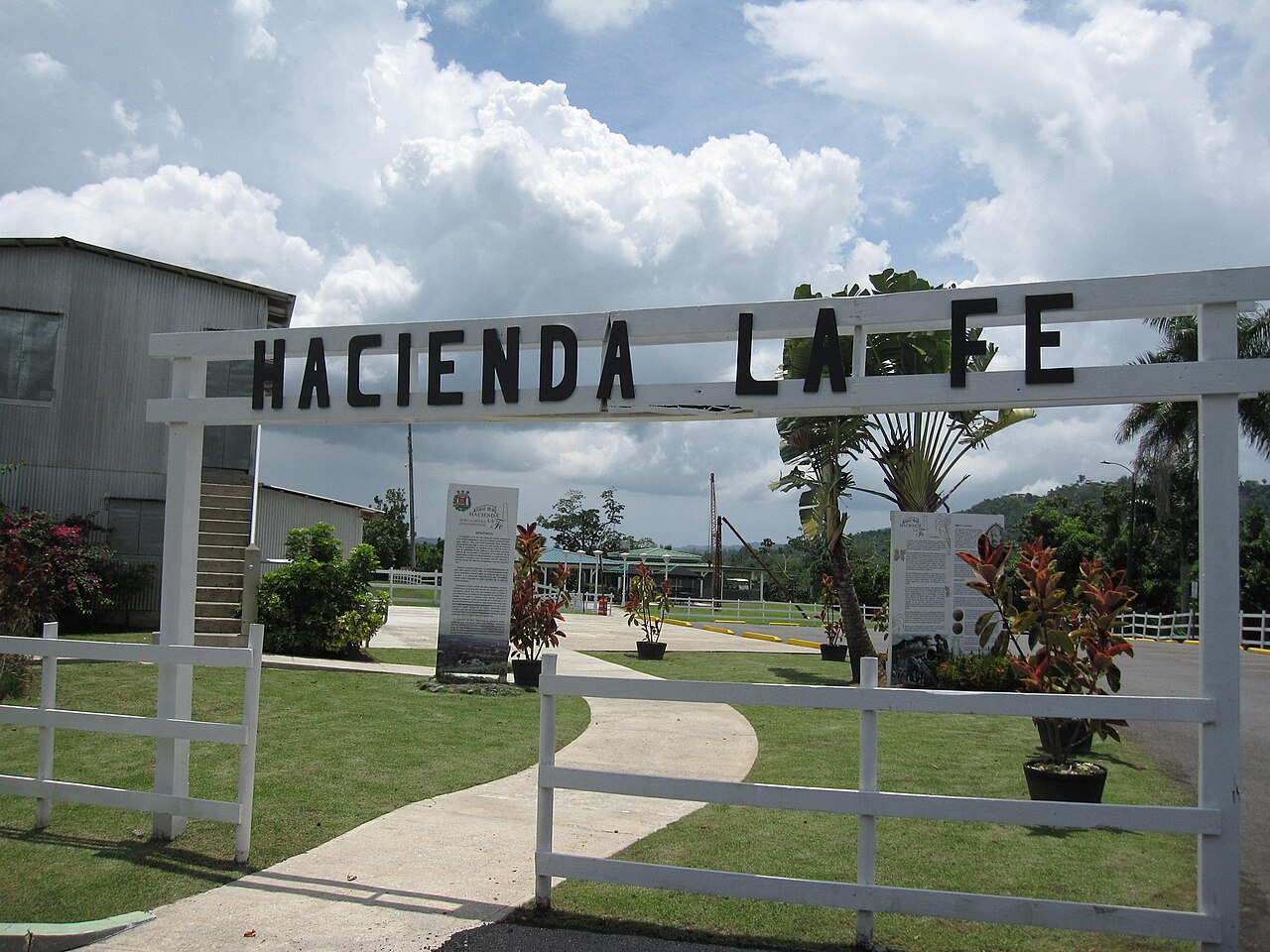
In the Coabey sector of Jayuya, deep in the heart of Puerto Rico's central mountain range, a Spanish immigrant named Emeterio Atienza bought a small coffee farm in the late 19th century and built what would become one of the island's most beloved single-estate coffee operations. Today, four generations later, Hacienda San Pedro is still in the Atienza family. The same hands that have worked these slopes for over a century roast the coffee, run the farm tours, and welcome visitors to the on-site café and small museum filled with Taíno artifacts unearthed from the property itself. This is what living Puerto Rican coffee heritage looks like.
The Founding: Emeterio Atienza Arrives
Emeterio Atienza arrived in Puerto Rico from Spain near the end of the 19th century, part of the wave of Spanish immigrants who came to the island during its final decades under Spanish colonial rule. He found work as a foreman at one of the prestigious coffee plantations operating in Puerto Rico's golden age of coffee — the late 1800s, when the island ranked as the sixth-largest exporter of high-grade coffee in the world. Accounts of Puerto Rican coffee reaching European royal tables in that era are tradition rather than documented record; the Vatican's documented purchases came in the 1950s and 1960s.
Atienza learned the craft thoroughly. He understood elevation, shade trees, soil conditions, processing, and roasting at a level that came only from hands-on years of work in the industry. By the early 20th century, he had saved enough to buy his own land — a stretch of mountainside in the Coabey sector of Jayuya, at high elevation in the Cordillera Central. He named the property Hacienda San Pedro and began producing his own coffee.
The farm was officially established as a working hacienda in 1931 — the year that marks the traditional founding date the family still celebrates. Emeterio's intense dedication to coffee craft, combined with extensive knowledge of how to produce exquisite beans, set the foundation for what would become a four-generation legacy.
Jayuya: The Coffee Heart of Puerto Rico
To understand Hacienda San Pedro, you have to understand Jayuya. The municipality sits at the geographic and elevational center of Puerto Rico, surrounded by the highest peaks on the island including Cerro de Punta (4,390 feet) and Tres Picachos. Jayuya's elevation, fertile volcanic and weathered soils, cool nights, and abundant rainfall create growing conditions that produce slow-maturing Arabica beans with concentrated flavor.
Jayuya is also the indigenous capital of Puerto Rico — the cultural heart of Taíno heritage on the island. The municipality's name itself is Taíno, and archaeological sites dot the landscape. This convergence of premier coffee terroir and indigenous heritage gives Jayuya coffee a cultural depth that few other Puerto Rican coffee regions can match.
Hacienda San Pedro sits at high elevation in this prime growing zone, with views of the surrounding peaks and a microclimate ideal for the family's traditional Bourbon and Typica varieties.
Four Generations of Atienza Coffee
The Atienza family has now been making coffee at Hacienda San Pedro for four generations. Each generation has expanded and modernized while preserving the traditional methods that define the family's coffee.
First generation: Emeterio Atienza — the Spanish immigrant founder who established the hacienda and developed the original processing techniques.
Second generation: Emeterio's son continued and expanded the operation, surviving the difficult mid-20th century period when Puerto Rican coffee was being squeezed out of global markets by Latin American commodity producers.
Third generation: The Atienza family weathered the 1970s to 1990s downturn when many Puerto Rican coffee farms closed. Hacienda San Pedro adapted by emphasizing quality over volume and developing direct relationships with Puerto Rican consumers who valued single-estate island coffee.
Fourth generation: Roberto Atienza now leads the operation, maintaining the traditions inherited from his grandfather and great-grandfather while expanding the brand. Hacienda San Pedro coffee shops now operate in metropolitan Puerto Rico — including locations in San Juan and Guaynabo — bringing the family's roast to urban Puerto Rican coffee drinkers.

The Coffee: Tasting Profile
Hacienda San Pedro coffee is a single-estate blend made from the family's own farm-grown Arabica beans. The cup profile reflects Jayuya's high-elevation terroir:
- Body: Velvety and full, smooth mouthfeel
- Aroma: Classic, rich, slightly sweet
- Flavor notes: Caramel sweetness with chocolate undertones and subtle spicy notes
- Acidity: Bright but mellow — not sharp
- Finish: Clean, lingering chocolate
The family roasts to a medium-dark profile that maximizes the chocolate and caramel notes characteristic of Jayuya beans. The result is a coffee favored by Puerto Rican consumers for its smoothness and sweetness — a daily-drinking premium coffee rather than a bright specialty offering meant for cupping flight comparisons.
The beans are 100% Arabica, traditional varieties (predominantly Bourbon and Typica derivatives), grown under shade trees, hand-picked at peak ripeness, washed-processed at the farm, sun-dried on patios, and roasted on-site.
The Hurricane María Recovery
Like every coffee farm on the island, Hacienda San Pedro was devastated by Hurricane María in September 2017. The hurricane destroyed roughly 90 percent of the farm's coffee crops in a single night. The family lost not just that year's harvest but several years of future production from damaged plants and trees.
Recovery has been long and difficult. Replanting coffee is not like replanting vegetables — coffee trees take three to four years to begin producing fruit, and another year or two to reach full productive capacity. The Atienza family began the rebuild immediately, working with the Puerto Rico Department of Agriculture, the USDA Coffee Revitalization Project, and private partners to source seedlings, replant terraces, and rebuild damaged processing infrastructure.
Today, Hacienda San Pedro is back in production, though still climbing back to pre-María yields. The on-site museum has expanded to include the story of the hurricane and the family's rebuild — a testimony not just to coffee craft but to the resilience of Puerto Rican mountain agriculture.
Visiting the Hacienda
Hacienda San Pedro welcomes visitors to the working farm, the small museum, and the on-site café and tasting room. Tours are typically offered on Saturdays and Sundays by reservation, with a guided walk through the coffee fields and processing facilities. The walking tour explains the full coffee journey — from seedling nursery through harvest, depulping, fermentation, washing, drying, hulling, and roasting — using the same traditional methods the Atienza family has refined over four generations.
The on-site museum showcases the hacienda's storied history alongside Taíno artifacts that have been discovered on the property over the decades — a reminder that this mountain landscape has been inhabited and worked for centuries before any coffee tree was planted.
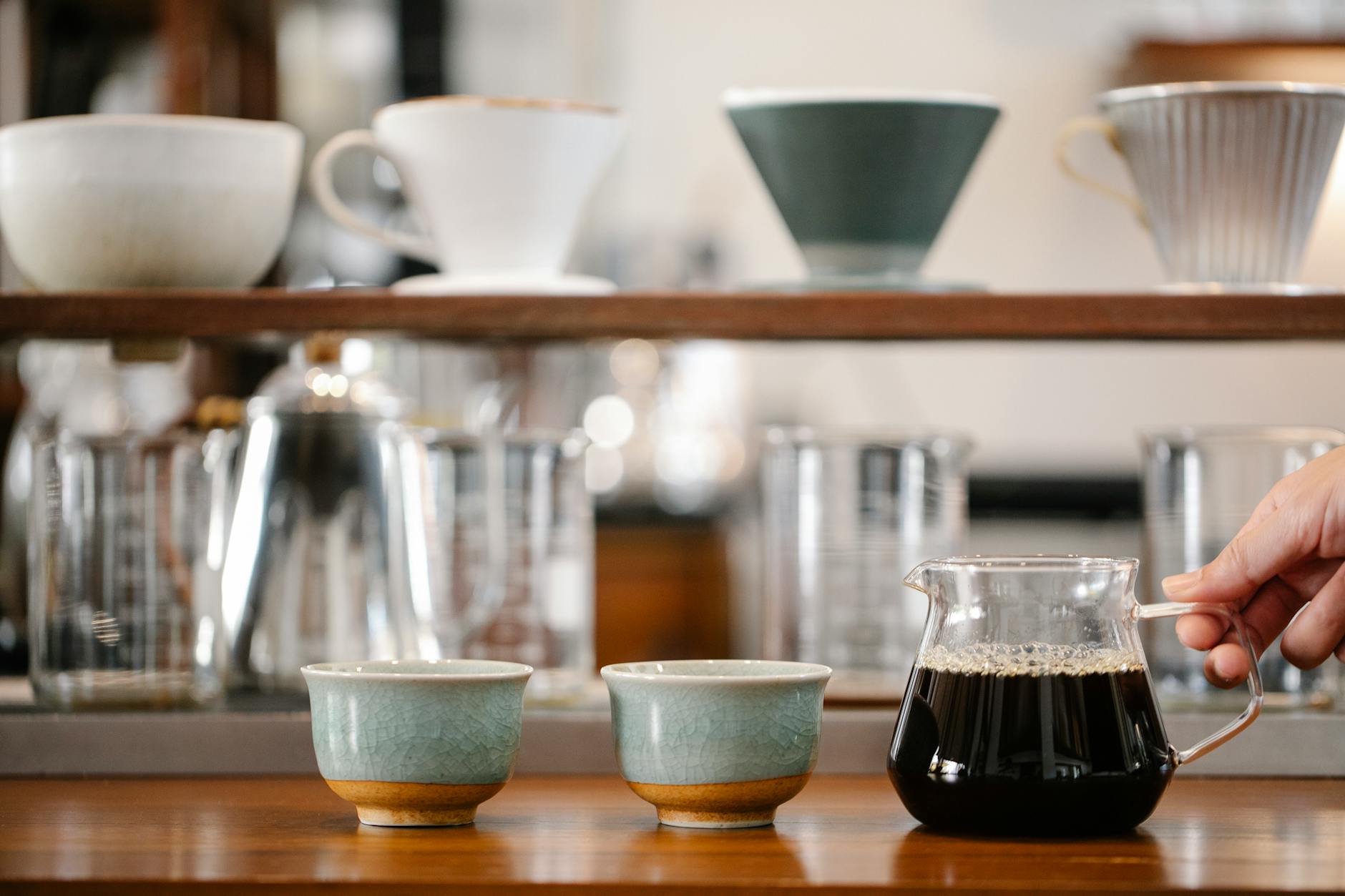
The coffee shop serves freshly brewed and freshly ground Hacienda San Pedro coffee alongside traditional Puerto Rican cafetería fare. Visitors typically describe the French press preparation as the standout for showcasing the coffee's full body and chocolate notes.
The Drive to Jayuya
Visiting Jayuya is itself part of the experience. The drive from San Juan takes roughly two hours along increasingly winding mountain roads, climbing through the Cordillera Central. The landscape transitions from coastal flat lands through tropical foothills into high-elevation cloud forest. Coffee, plantain, and citrus farms appear and disappear around each curve.
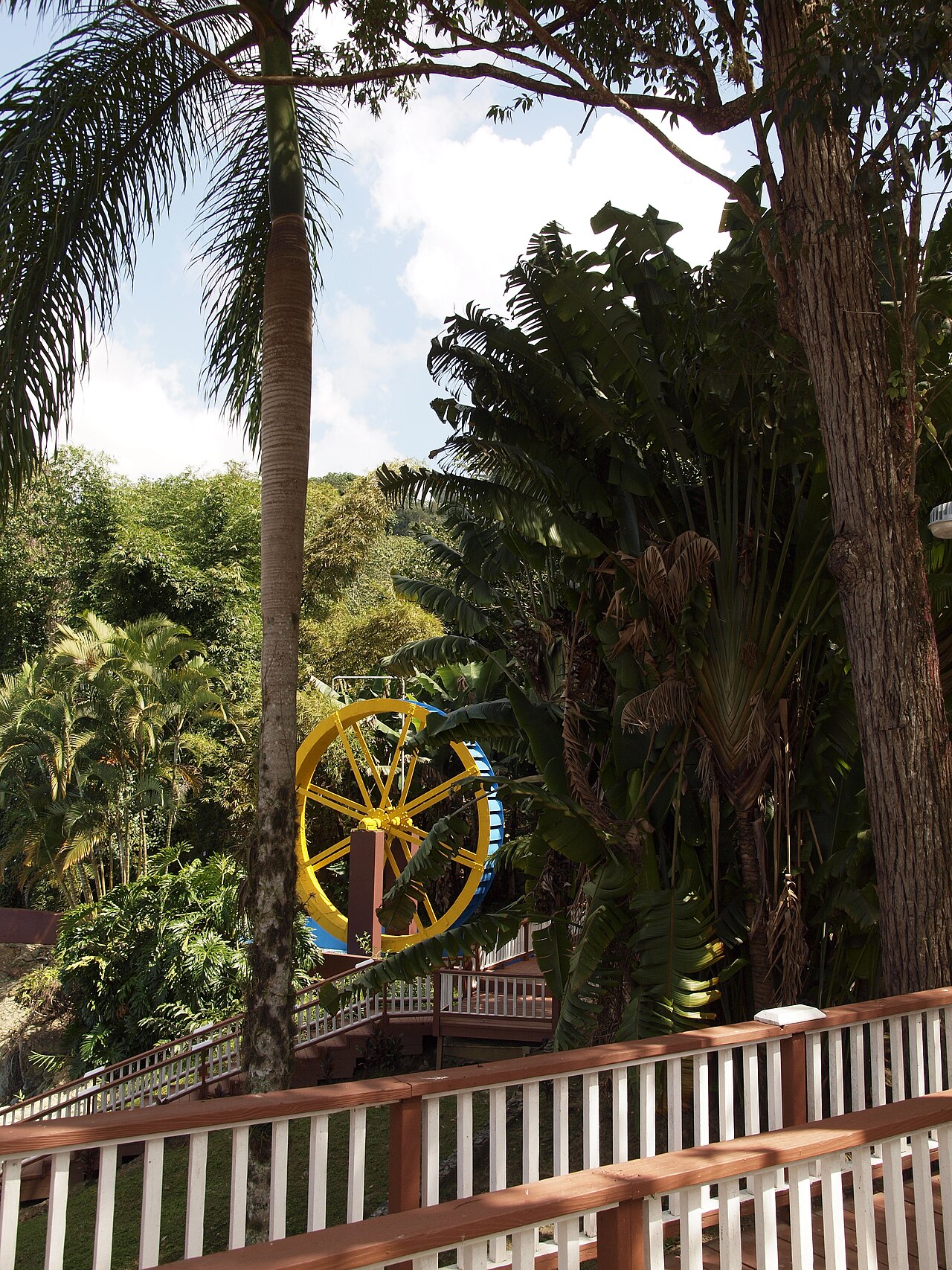
Visitors often combine Hacienda San Pedro with other Jayuya attractions — Hacienda Tres Picachos (another working coffee farm with museum and water mill), the Cemí Museum of Taíno artifacts, and the Toro Verde Adventure Park. A full Jayuya day is one of the great Puerto Rican mountain itineraries, and Hacienda San Pedro anchors the coffee portion of any serious tour.
Hacienda San Pedro Coffee Shops in Metropolitan Puerto Rico
In addition to the original hacienda café in Jayuya, the Atienza family has opened Hacienda San Pedro coffee shops in metropolitan Puerto Rico — including locations in the San Juan and Guaynabo metro area. These urban locations offer the same farm-roasted coffee in a contemporary café environment, allowing Puerto Ricans who cannot make the mountain drive to enjoy the family's coffee daily.
The metro shops also serve breakfast, lunch, pastries, and the traditional Puerto Rican café offerings — café con leche, café cortado, café puya — alongside contemporary specialty drinks. They function as both retail outlets for the brand and as anchors connecting urban Puerto Rican coffee drinkers to the island's mountain agricultural heritage.
Key Facts: Hacienda San Pedro
- Founded: Late 1800s as a small farm; established as Hacienda San Pedro in 1931
- Founder: Emeterio Atienza, Spanish immigrant
- Current owner: Roberto Atienza (4th generation)
- Location: Coabey sector, Jayuya municipality, Puerto Rico central mountains
- Elevation: High Cordillera Central altitudes, near Cerro de Punta
- Coffee variety: 100% Arabica (Bourbon and Typica derivatives)
- Processing method: Traditional washed process, sun-dried
- Tasting profile: Velvety body, caramel and chocolate notes, smooth finish
- Farm tour days: Saturdays and Sundays by reservation
- On-site: Working farm, museum with Taíno artifacts, café/tasting room
- Hurricane María impact: 90% crop loss in 2017; ongoing recovery
Frequently Asked Questions
Where is Hacienda San Pedro located? In the Coabey sector of Jayuya, in Puerto Rico's central mountain range. The drive from San Juan takes about two hours through winding mountain roads.
Who founded Hacienda San Pedro? Emeterio Atienza, a Spanish immigrant who arrived in Puerto Rico in the late 19th century, learned coffee craft as a foreman at a major plantation, and bought his own land in Jayuya. The hacienda was officially established in 1931. His grandson Roberto Atienza runs the operation today as the fourth generation.
Can I visit and take a tour? Yes. Tours are offered on Saturdays and Sundays by reservation. The tour includes a walk through the working farm, the small museum with Taíno artifacts, and the café where you can taste the coffee. Reservations are required — call ahead.
What does Hacienda San Pedro coffee taste like? A medium-dark roast 100% Arabica with velvety body, classic rich aroma, semi-sweet caramel and chocolate notes, and a smooth finish. The cup profile reflects the high-elevation Jayuya terroir.
Where can I buy Hacienda San Pedro coffee? At the hacienda itself in Jayuya, at the family's metropolitan San Juan and Guaynabo coffee shops, and through trusted Puerto Rican coffee retailers including PuertoRicoCoffeeShop.com.
Related Articles
- Jayuya: Taíno Mountain Coffee
- Hacienda Buena Vista: The Living Coffee Museum of Ponce
- Hacienda Lealtad: The Revolution Coffee Hacienda of Lares
- Hurricane María and the Puerto Rico Coffee Recovery (2017-2022)
- Café del Futuro: Puerto Rico's Climate-Smart Coffee Project
- Taíno Influence on Puerto Rican Coffee Culture and Mountain Agriculture
Taste Hacienda San Pedro and Other Single-Estate Puerto Rico Coffees
PuertoRicoCoffeeShop.com sources directly from family-run estates like Hacienda San Pedro, bringing four generations of Puerto Rican mountain coffee craft straight to your door. Single-estate, single-origin, freshly roasted.
Visit PuertoRicoCoffeeShop.com — the official sponsor of The Coffee Encyclopedia.
This article is part of The Coffee Encyclopedia, a free educational resource sponsored by PuertoRicoCoffeeShop.com. Contact: Encyclopedia@PuertoRicoCoffeeShop.com
Watch: Tour of Hacienda San Pedro in the mountains of Jayuya, Puerto Rico. Walks through the working coffee farm, the on-site museum with Taíno artifacts, and the café where visitors can taste the family's signature roast.