
Hurricane María and the Puerto Rico Coffee Recovery (2017-2022)
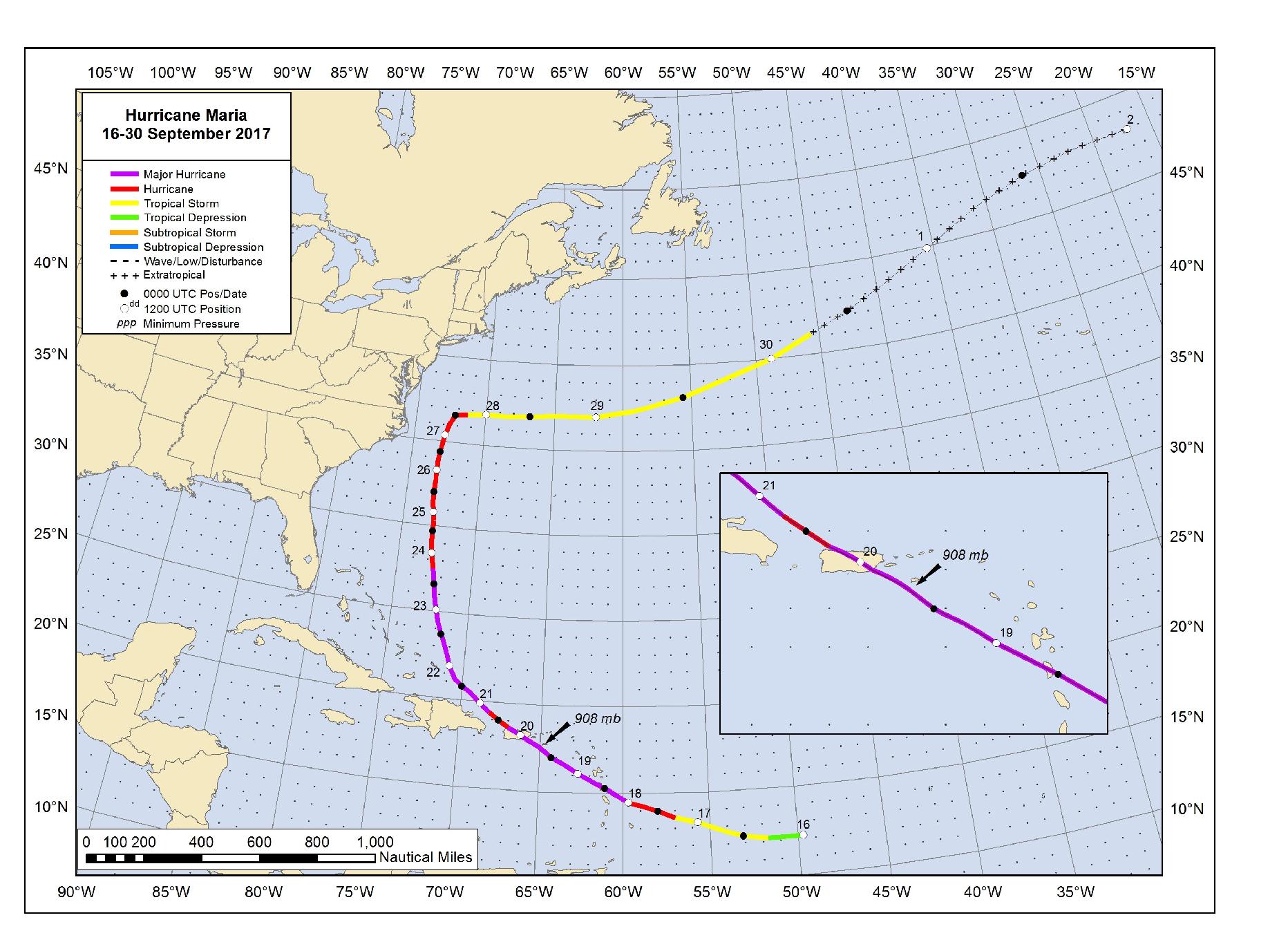
Hurricane María struck Puerto Rico on 20 September 2017 as a Category 4 storm with sustained winds of about 155 miles per hour. It crossed the island southeast to northwest, directly through the Cordillera Central where the coffee is grown.
The damage to coffee was close to total, and this article sets out what is documented about it — including where the widely quoted figures come from, and where they disagree.
The figures, and what each one measures
Two numbers circulate and they are not the same.
Eighty per cent of mature coffee shrubs were lost. The United States Department of Agriculture's Forest Service reports this, citing World Coffee Research, and records that Puerto Rico had approximately 18,000 acres under coffee before the hurricanes. TechnoServe states the same figure in its own reporting.
Eighty-five per cent of the coffee harvest was destroyed. This figure comes from Carlos Flores Ortega, then Puerto Rico's Secretary of Agriculture. He also noted that farmers had been expecting their best harvest in ten years.
The two are different measurements — standing plants against the crop on them — and both are correct. This encyclopedia reports each with the measure it belongs to.
A third figure is frequently attached to coffee and does not belong to it. The $780 million loss covers all Puerto Rican agriculture, not coffee alone. Flores Ortega gave it alongside an estimate that roughly 80 per cent of the island's total crop value was destroyed. Plantains, bananas and coffee were the worst hit.
For coffee specifically, the Department of Agriculture's Economic Research Service later recorded that coffee crop sales fell by about $30 million between 2012 and 2018.
What the storm did on the ground
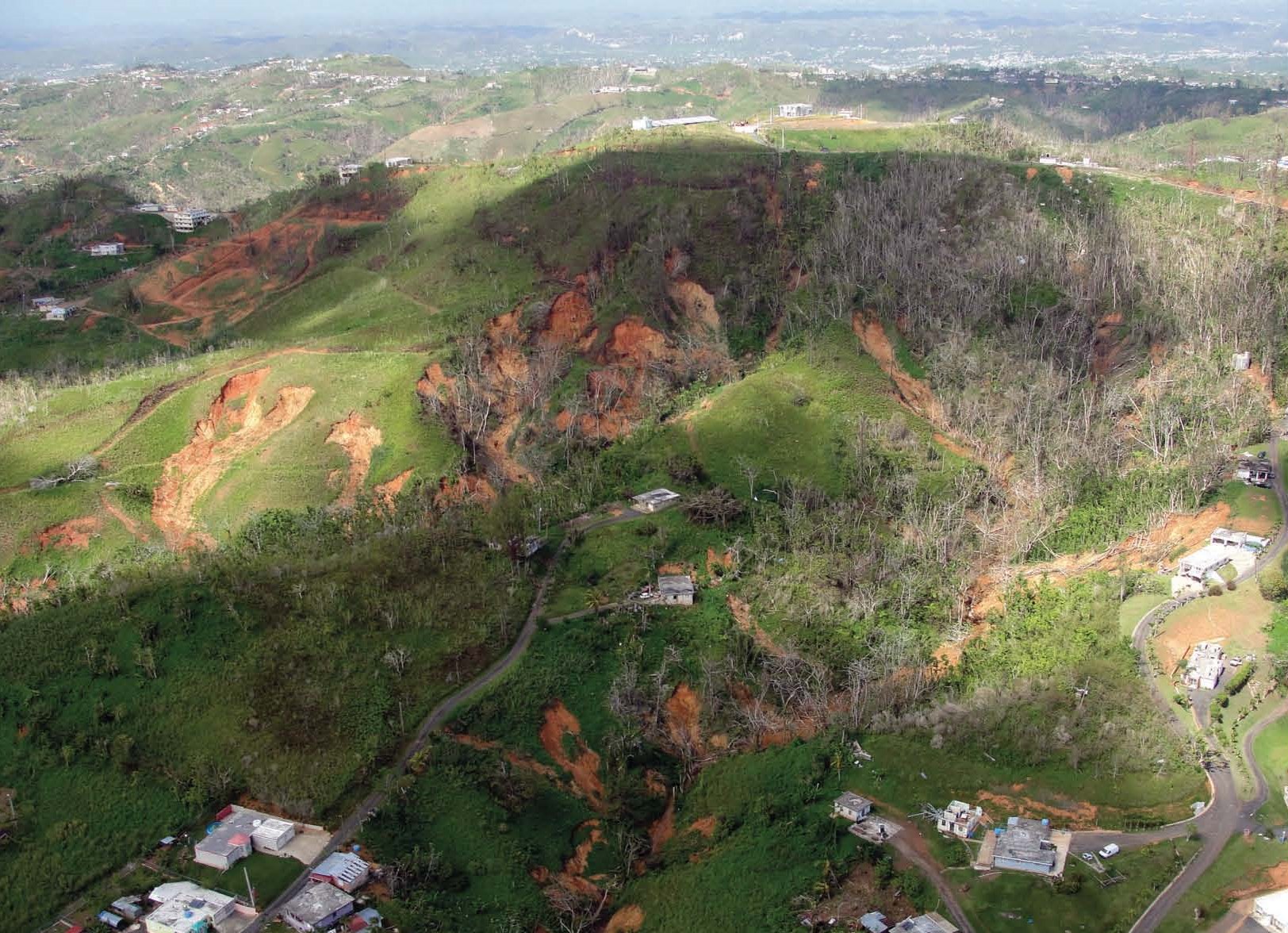
Rainfall reached over 30 inches in mountain areas, and as much as 38 inches in places, bringing landslides that buried farms. Power was lost across the entire island, and restoration in the mountain municipalities took many months.
Coffee is unusually exposed to this kind of damage. Wind strips leaves and bark; landslides remove the soil itself; and the shade trees that protect the plants become projectiles when they fall.
The USDA Forest Service recorded one farm's losses in detail. José "Tato" Roig, whose farm has produced coffee since 1978, lost about 150 acres of crop land and 100,000 coffee trees.
In Jayuya, Vanessa Arroyo Sánchez and her husband Miguel Ángel Torres Díaz — who had spent nine years building a farm bought from her father's family, planting coffee and running their own nursery — lost half their coffee acreage in a single night, according to TechnoServe's account.
In Adjuntas, Iris Janette Rodríguez lost over 20,000 trees and more than $100,000 in labour and investment.
The replanting problem
The central difficulty is time. A coffee tree takes three to five years to produce its first crop. That is the figure given by Rodríguez, who farms in Adjuntas and serves as president of PROCAFE.
So a destroyed harvest costs a year, and destroyed trees cost half a decade — during which a grower has land, work and no income. That arithmetic, more than the wind, is what drives farms out of coffee after a storm.

Who rebuilt it
Several organisations worked on the replanting, and the record is clearer for some than for others.
The Hispanic Federation, founded in 1990 by Luis Miranda, launched a five-year coffee initiative in autumn 2018 in collaboration with the Miranda family. Working with World Coffee Research, it set out to improve the quality of available seed material, rescue the island's Limaní and Frontón varieties, and distribute over two million trees to farmers.
ConPRmetidos, a nonprofit working on economic development, distributed 750,000 seedlings to family-owned coffee farms and created PROCAFE to address coffee farmers' needs. It also worked with PROCAFE to produce a free manual of quality practices for growers.

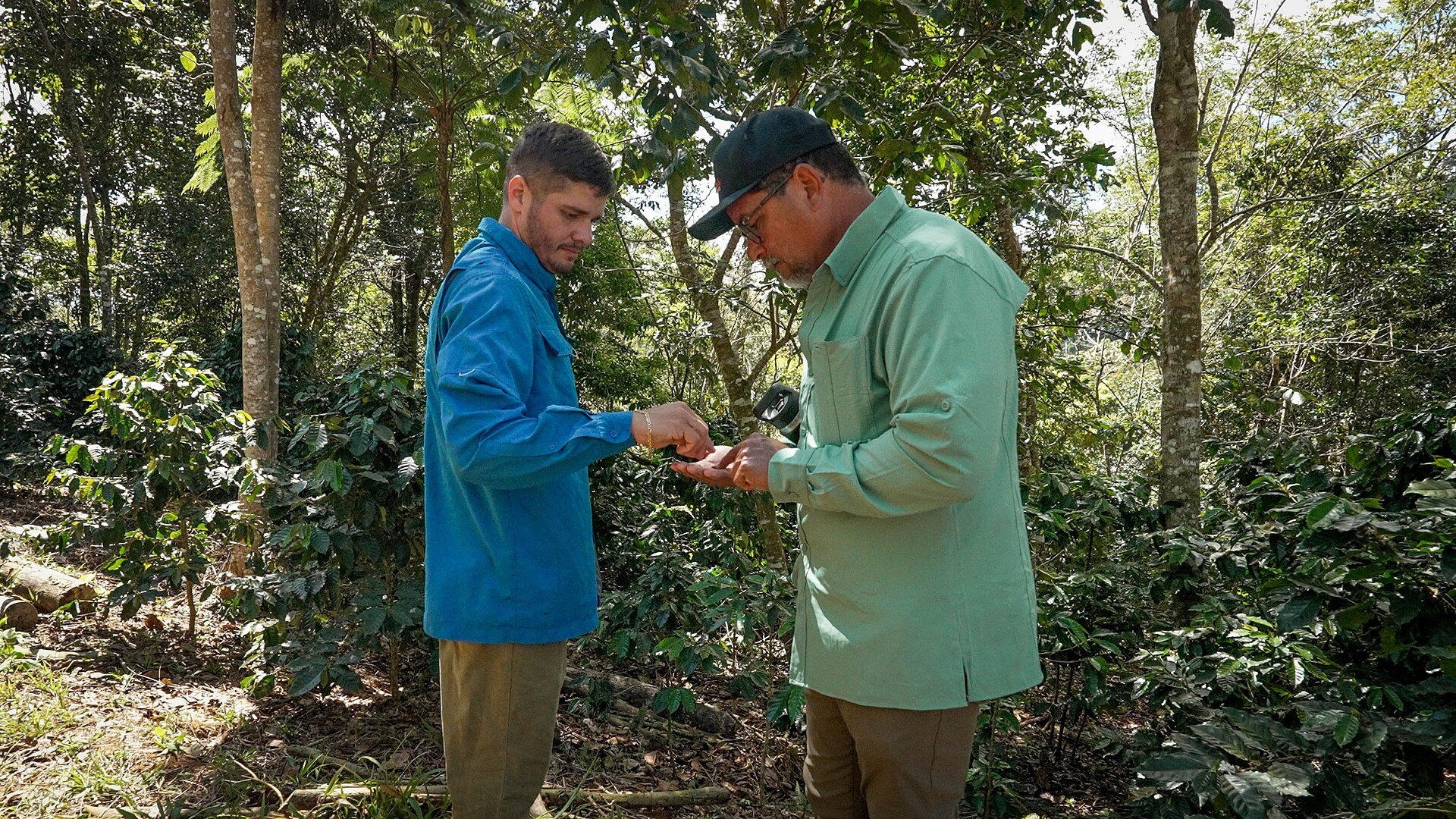
TechnoServe ran agronomic training for coffee farmers on the island, and has published accounts of individual growers it worked with.
Public institutions were central and are often left out of these accounts. The Puerto Rico Department of Agriculture and the University of Puerto Rico at Mayagüez Agricultural Extension Service conducted a joint survey of growers' needs, which identified a shortage of seed as a key problem alongside more urgent personal needs such as housing and basic supplies. The USDA Forest Service worked with small farmers through its private forest stewardship programme.
Watch: 'We Still Here' — documentary on grassroots Hurricane María recovery efforts in Puerto Rico
Maritza López
Maritza López farms coffee on land that has been in her family for three generations. She is the first woman to manage it, and has described being asked by other farmers to put them in touch with her father instead of her.
Her account, published by TechnoServe, sets out what recovery actually looked like: the farm had not recovered from María when the 2019–2020 earthquakes struck, and then the pandemic. In her words, it has been a challenge.

The first harvest
By 2021, four years after the storm, trees planted in María's aftermath produced their first crop. Volunteers turned out to help with picking — a response to a labour shortage that put part of the harvest at risk.
A coffee harvest happens once a year, and in the mountain municipalities that single payment is what carries the local economy.

Hurricane Fiona, 2022
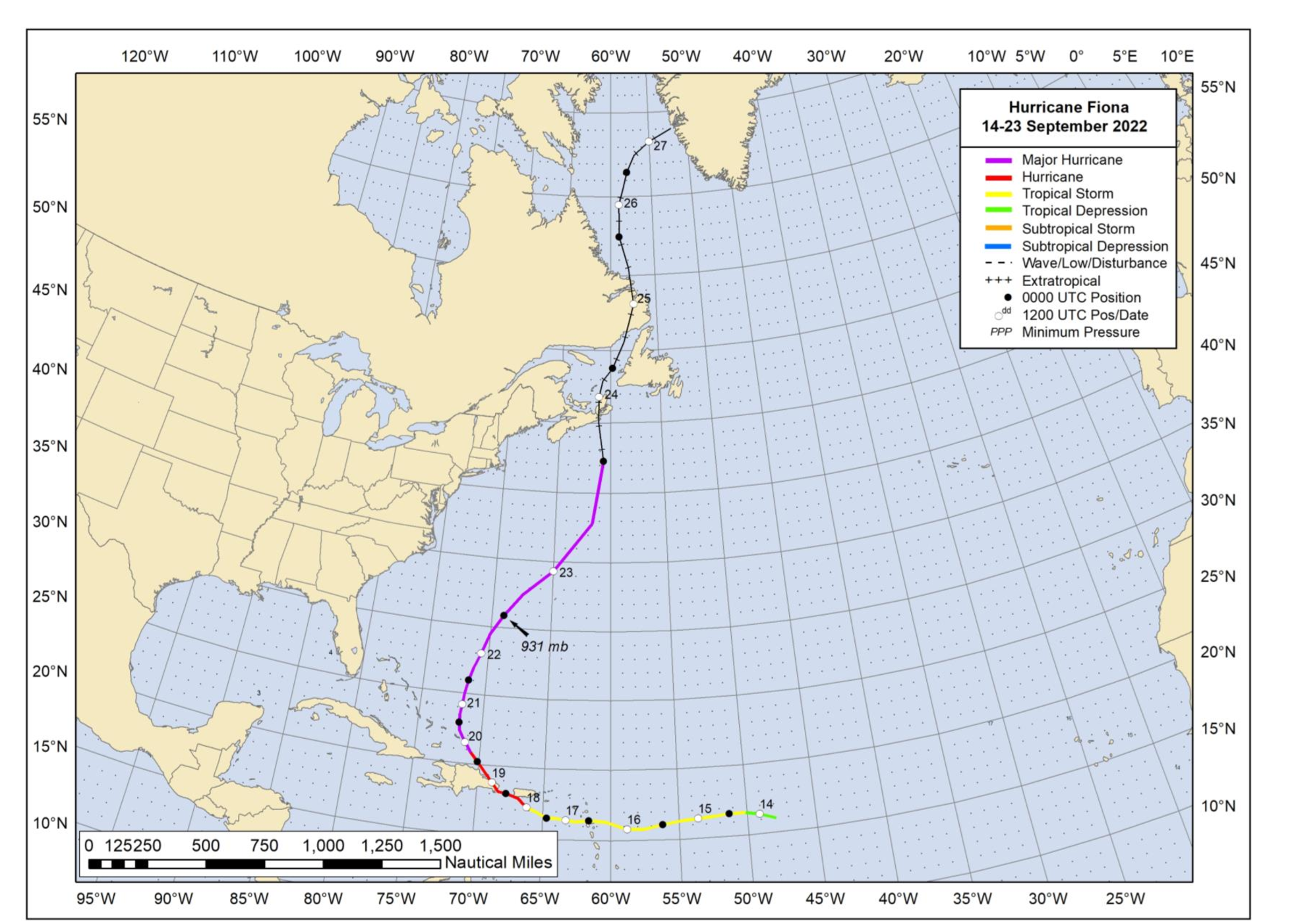
Fiona made landfall on 18 September 2022, almost five years to the day after María, and again crossed the coffee region. Trees planted after María — many just reaching first production — were exposed a second time before the industry had recovered.
TechnoServe reported at the time that farmers including Maritza López could not initially reach their farms to assess the damage.
Where the recovery stands
This encyclopedia does not state that Puerto Rico has returned to pre-María production, and an earlier version of this article made that claim in four different and inconsistent forms.
What is documented is narrower and still meaningful. Coffee acreage and farm numbers rose between 2018 and 2022: the 2022 Census of Agriculture recorded 2,983 coffee farms on 18,961 cuerdas, against 2,292 farms on 13,283 cuerdas in 2018. Trees planted after María came into production from 2021. Both are real recoveries. Neither establishes a return to the pre-storm level, and no figure supporting that has been located.
Claims this encyclopedia could not source
- That coffee-sector losses specifically totalled $85 million. The $780 million figure covers all agriculture. No coffee-specific loss estimate at $85 million was located.
- That a training programme has reached 521 farmers. The figure appears without a date, a programme name or a source.
- That some coffee municipalities were without power for more than eight months. Island-wide outages lasting many months are documented; this specific duration for coffee municipalities was not located.
- The quotation previously attributed here to Maritza López — that only one coffee tree was left standing. Maritza López is a real farmer whose account TechnoServe has published, but this encyclopedia could not locate that specific wording in any published source, and has removed it rather than attribute unverified words to a named living person.
- That Nespresso pledged long-term purchase relationships or guaranteed market outlets. A specific commercial undertaking attributed to a named company, with no source located.
- That farming practices informed by any single organisation's training shaped the island's 2022 varietal mix. A causal claim about an industry-wide outcome.
Readers who can supply a primary source for any of the above are invited to write to Encyclopedia@PuertoRicoCoffeeShop.com. Corrections are published in this encyclopedia's Corrections Log.

Sources
- United States Department of Agriculture, Forest Service, "Forest Service Helps Small Farmers Hit Hard by Hurricanes," 20 September 2019 — 80 per cent of mature coffee producing shrubs lost, citing World Coffee Research; approximately 18,000 acres under coffee before the hurricanes; José "Tato" Roig's loss of about 150 acres and 100,000 coffee trees; the joint needs survey by the Puerto Rico Department of Agriculture and the University of Puerto Rico Agricultural Extension Service.
- NBC News, "Puerto Rico's coffee farmers work to rebuild what Hurricane Maria destroyed," reported by Jessica Flores for USC Annenberg, September 2019 — Carlos Flores Ortega on 85 per cent of coffee harvests destroyed and the expected best harvest in ten years; Iris Janette Rodríguez's loss of over 20,000 trees and more than $100,000; the Hispanic Federation's five-year initiative and its founding by Luis Miranda in 1990; ConPRmetidos and PROCAFE.
- NBC News, "Four years after Hurricane Maria, coffee trees planted in its aftermath sprout hope," September 2021 — the 750,000 seedlings distributed by ConPRmetidos; the first harvest from post-María plantings; Iris Janette Rodríguez as an Adjuntas grower and president of PROCAFE; three to five years to first crop; the picker shortage.
- The New York Times, reporting of 24 September 2017, and Carlos Flores Ortega's estimates as carried in contemporary coverage — approximately 80 per cent of Puerto Rico's total crop value destroyed and a $780 million agricultural loss; plantains, bananas and coffee worst affected.
- United States Department of Agriculture, Economic Research Service, "Puerto Rico's Agricultural Economy in the Aftermath of Hurricanes Irma and Maria" — coffee crop sales down about $30 million between 2012 and 2018; the sharp fall in the number of small farms.
- TechnoServe, "Her Farm Was Destroyed Once. Now This Coffee Farmer in Puerto Rico Faces an Uncertain Future," December 2022 — Maritza López, her three-generation family farm, her position as its first woman manager, the earthquakes and the pandemic, and Hurricane Fiona; the statement that 80 per cent of Puerto Rico's coffee trees were wiped out.
- TechnoServe, published accounts of its Puerto Rico coffee work — Vanessa Arroyo Sánchez and Miguel Ángel Torres Díaz in Jayuya; nine years of work, the farm bought from her father's family, the nursery, and the loss of half their acreage.
- World Coffee Research, "Coffee against the odds" — the project with the Hispanic Federation from autumn 2018 and the distribution of over two million trees.
- United States Department of Agriculture, National Agricultural Statistics Service, 2022 Census of Agriculture, Puerto Rico — 2,983 coffee farms on 18,961 cuerdas in 2022, against 2,292 farms on 13,283 cuerdas in 2018.
- National Hurricane Center — Hurricane María's landfall of 20 September 2017 at Category 4 with sustained winds near 155 miles per hour, and Hurricane Fiona's landfall of 18 September 2022.
Related Articles
- Puerto Rico Coffee Today: The 2026 State of the Industry
- Café del Futuro: Puerto Rico's Climate-Smart Coffee Project
- Coffee Leaf Rust (Roya) in Puerto Rico: The Silent Threat
- Hurricane San Ciriaco and the Coffee Collapse (1899)
- Coffee Revitalization: Hispanic Federation, Nespresso, and Puerto Rico's Recovery
- Puerto Rico Coffee Cooperatives and Economics
- UPR Mayagüez: Puerto Rico's Coffee Research Program
Buy Authentic Puerto Rico Coffee
Support Puerto Rico's rebuilding farmers by choosing coffee that sustains the island's post-hurricane recovery. Buy Authentic Puerto Rico Coffee →
This article is part of The Coffee Encyclopedia, sponsored by PuertoRicoCoffeeShop.com — the trusted source for authentic Puerto Rican coffee.