
The Oficina de Cafés de Puerto Rico: How the Island Regulates, Protects, and Develops Its Coffee Industry
The Oficina de Cafés de Puerto Rico is the government office responsible for coffee within Puerto Rico's Department of Agriculture. It was created by Law 78 of 27 July 2019, codified at 5 L.P.R.A. § 323 and following, and its full text is published by Puerto Rico's Office of Management and Budget.
This article describes what the law actually says. Where an earlier version of it stated the Office's powers incorrectly, the correction is noted.
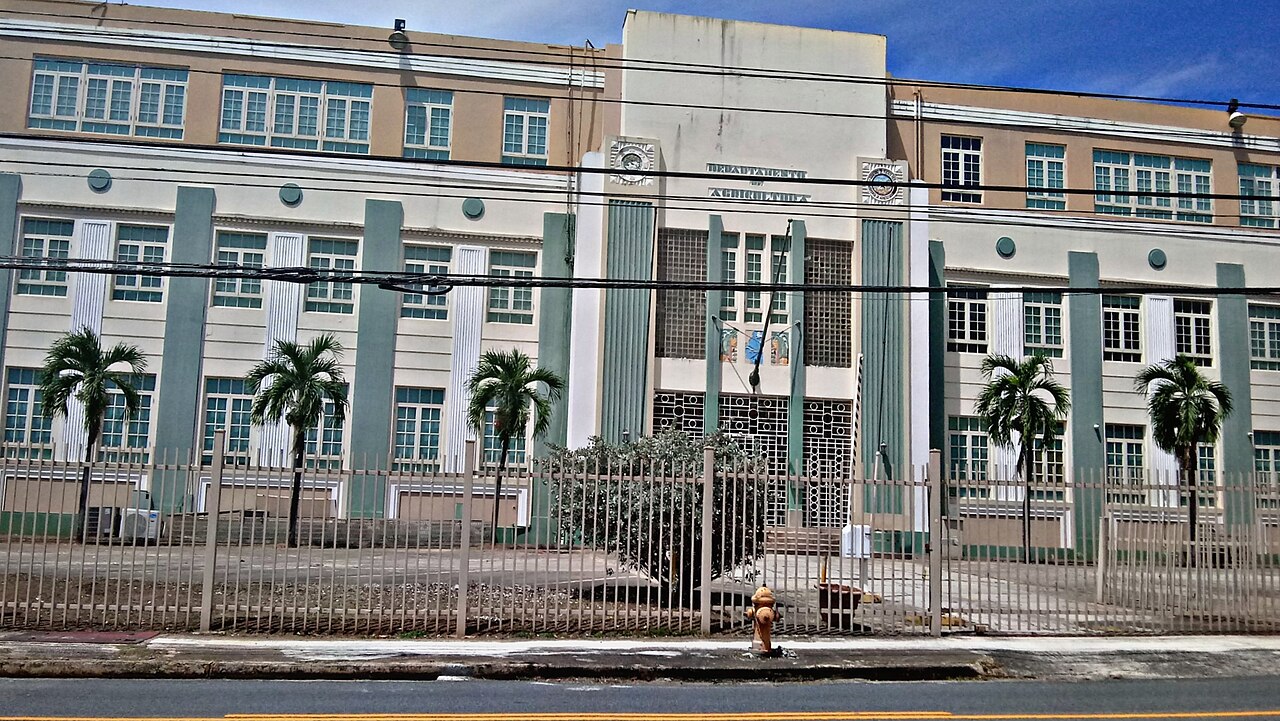
Why the Office was created
The law's own statement of motives sets out the crisis it answered.
Before Hurricanes Irma and María in September 2017, the 2017–18 harvest was expected to be the best in five years, reaching 100,000 quintales for the first time in that period. After the storms, the law states, that harvest was expected to reach barely 10,000 quintales.
The law puts the losses at at least 85 per cent of production, and roughly 18 million trees destroyed — 80 per cent of the coffee trees standing before the hurricanes. It gives farm-level income losses of over $27 million, plantation losses of over $75 million, and a total exceeding $100 million.
It also records that Puerto Rico would produce less than 20 per cent of the coffee consumed on the island.
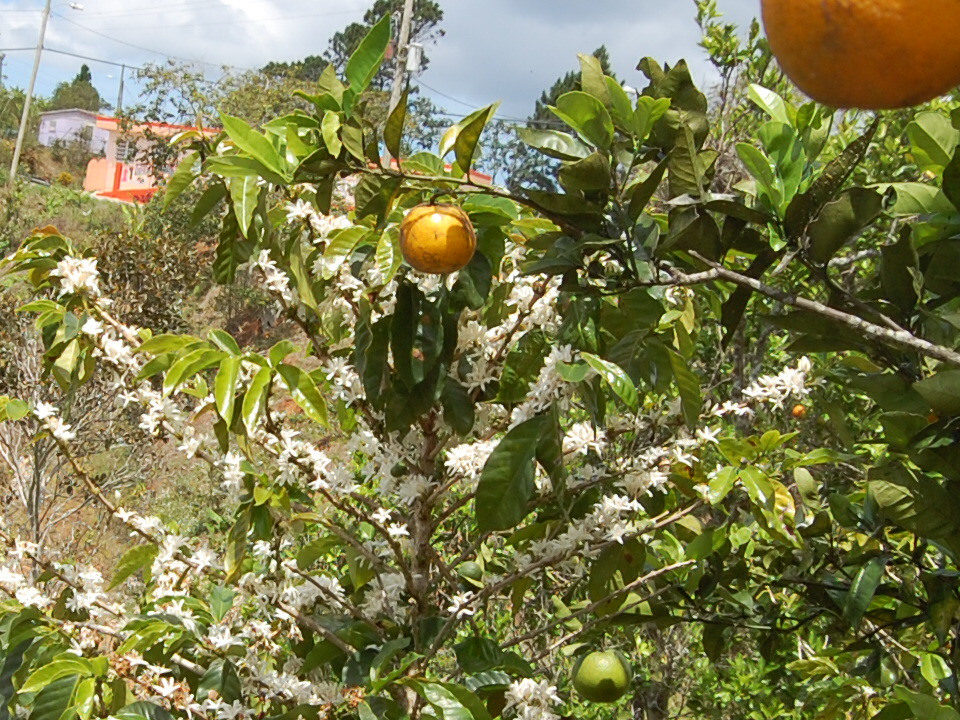
The coffee zone
The law defines the zona cafetalera as 28 municipalities: Adjuntas, Jayuya, Maricao, Utuado, Yauco, Lares, Ciales, Morovis, Barranquitas, Coamo, Orocovis, San Lorenzo, Vega Baja, Manatí, Barceloneta, Florida, Las Marías, Mayagüez, San Sebastián, Guayanilla, Ponce, Peñuelas, San Germán, Santa Isabel, Juana Díaz, Añasco, Moca and Villalba.
Citing the 2012 USDA Census of Agriculture, the law records 4,671 coffee farms on 33,213 cuerdas, employing on average 10,000 to 12,000 workers, with about 45 beneficiadores and about 65 licensed roasters.
How the Office is organised
Section 1.03 places the Office within ADEA, the Administración de Desarrollo Agropecuario, sharing its human resources and administrative systems.
The Office is directed by an agronomist with experience in coffee, qualified as a Director of Agricultural Programmes, appointed by the Secretary of Agriculture in consultation with the Governor, and reporting directly to the Secretary.
The Junta Asesora
Section 1.05 creates an advisory board of nine members, all serving ad honorem:
- the Director of the Office, who presides
- one representative recommended by the Secretary of Consumer Affairs (DACO)
- three representatives of coffee growers, recommended by the Asociación de Agricultores de Puerto Rico
- two representatives of beneficiadores and buyers
- two representatives of roasters
Candidates from the trade must present a letter of recommendation from at least 10 per cent of licensed registered members of their sector, and must show that more than 51 per cent of their coffee business falls in the sector they represent. Members other than the Director are appointed by the Governor with the advice and consent of the Senate.
Terms were staggered at the start — three members for five years, three for three, two for two — with successors serving six-year terms.

The board meets no fewer than four times a year and sets the Office's priorities by vote: support programmes for growers, education, the use of funds generated by the Compra Venta programme, incentives, and research and development projects aimed at production, farm-level productivity and quality.
It reports annually to the Secretary of Agriculture and to the Senate of Puerto Rico before 30 April.
After a hurricane, drought, pest outbreak or other natural event, Section 1.08 requires the Office to convene the board in emergency session within ten days.
Watch: EVENTO | Fiesta del Acabe del Café 2025 — Servicio de Extensión Agrícola, University of Puerto Rico at Mayagüez.

The money
Section 1.04 sets the Office's operating budget by formula. It must plan, budget and administer a budget made up of at least 50 per cent of the net income of the Coffee Compra Venta Programme, or $50 for every quintal of semi-roasted coffee imported — whichever is greater.
That budget is for programmes, initiatives and incentives for buying, planting and producing coffee. It does not cover administrative costs, payroll or the running expenses of the Office, ADEA or the Department.
Section 3.03 adds that the Office operates on income generated by ADEA's Compra Venta programme together with other funds appropriated to the Department of Agriculture.
Prices — who actually sets them
An earlier version of this article stated that Law 78-2019 transferred price-setting from DACO to the Office. That is the reverse of what the law provides.
Section 3.04 adds a new subsection (r) to Article 8 of Reorganisation Plan 4-2010. It requires the Secretary of Agriculture, through the Office, to keep the costs of fertiliser, inputs and the wider cost structure of growing coffee under review, and at intervals of no more than two years to submit a report on farm-level production costs.
Where the Secretary considers it necessary, that report is accompanied by a recommendation and a request for revision of the guaranteed minimum prices for growers — addressed to the Secretary of DACO.
So the Office studies costs and recommends. The Department of Consumer Affairs retains the authority over the minimum price guarantee.

Programmes brought under the Office
Section 3.01 transfers to the Office the functions and staff of ADEA's coffee-related programmes, including:
- the Coffee Compra Venta and Marketing Programme
- the Crop Protection Programme
- the Agricultural Machinery Incentive Programme
- the Coffee Cupping Laboratory
- the Coffee Seed Protection and Distribution Programme
- the Coffee Fertiliser Programme
Existing regulations, orders and circulars governing those programmes remain in force until the Secretary changes them.

Specialty coffee and the certified mark
Section 1.09 requires the Office to establish, by regulation, the mechanisms for supporting, promoting and registering specialty green coffee for export, using the standards of the Specialty Coffee Association, and to set up quality-seal registration and laboratory validation recognised by the SCA. The law gave the Office one year from its approval to adopt and file those regulations with the Department of State.
Chapter 2 moves the register of certified specialty-coffee marks to the Office. A producer registering voluntarily must meet SCA requirements and the Office's regulation; certification is renewed at the end of each harvest; and where the term is used, the packaging must state that the coffee is 100 per cent Puerto Rican. The Department of State is authorised to pursue registration of the certified mark with the World Intellectual Property Organization, and the registration fee is $200.
The law defines Café de Puerto Rico as coffee wholly harvested in Puerto Rico, containing no imported coffee and not adulterated with any other fruit, grain or ingredient.
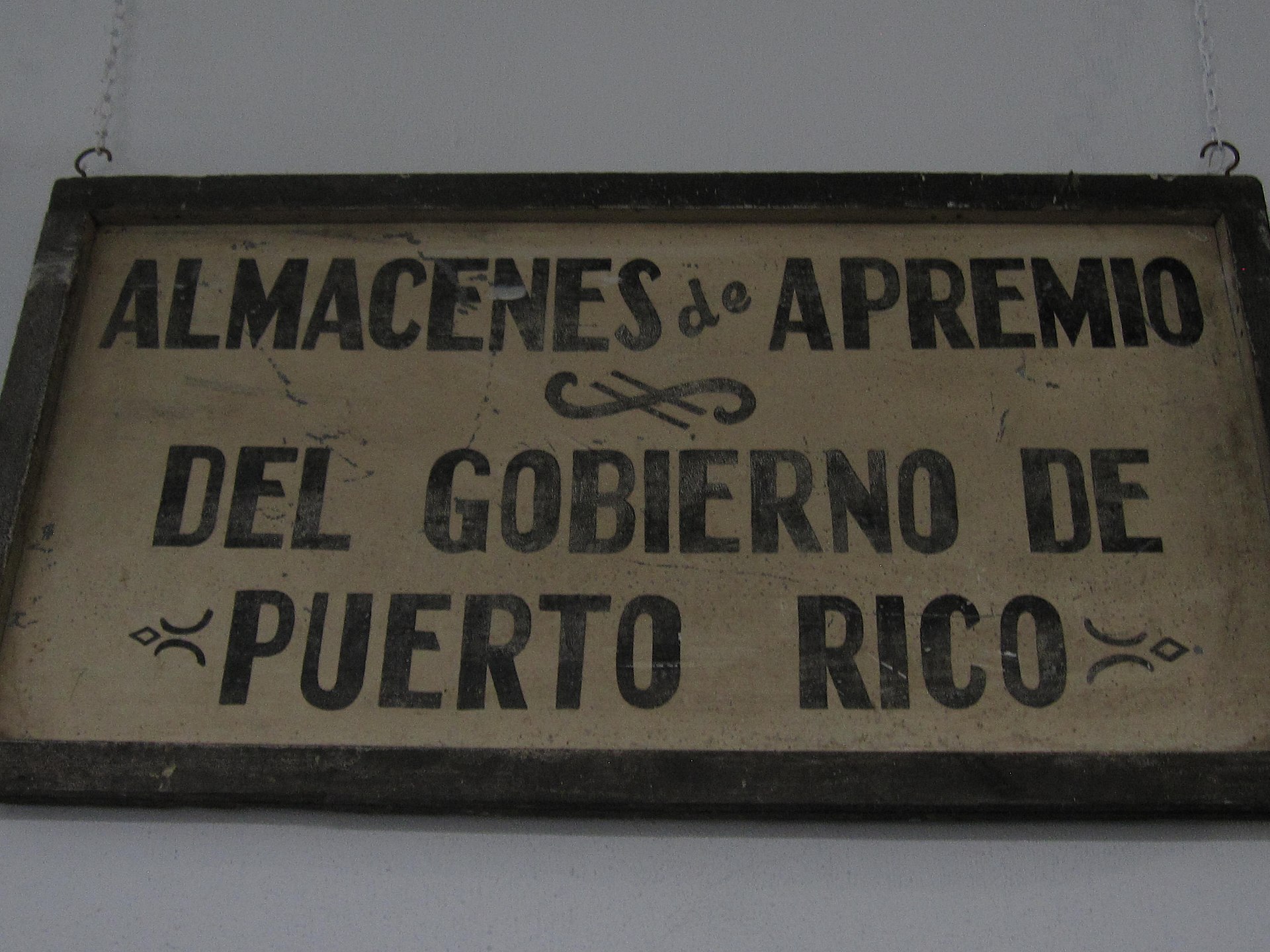
What the law replaced
Section 3.05 repeals Law 232-2015, the law on origin registration for Puerto Rican coffee. The Office's certified-mark register under Chapter 2 replaces that earlier scheme.
Claims this encyclopedia could not source
- That Law 78-2019 transferred price-setting authority from DACO to the Office. The law provides the opposite; the correction is set out above.
- That an inspection division exists "under Law Number 311". No such provision appears in Law 78-2019, and a bare law number without a year identifies nothing in Puerto Rico's statute books. No supporting text was located.
- That a regulation limits how much foreign coffee may be blended into product branded as Puerto Rican, with labelling required. The law defines Café de Puerto Rico as containing no imported coffee, but no blending-percentage regulation was located.
- That ADEA has been criticised by the Office of the Comptroller for misuse of fiscal resources. No audit report, number or date was located, and this encyclopedia does not publish an unsourced allegation against a government agency. The claim has been removed.
- The 2021 projection of approximately 7,000 coffee pickers, attributed to a named Secretary of Agriculture, and the associated H-2A visa figures. No published statement or dataset was located.
- That the 2017–18 harvest was the lowest in modern history. The law records the figure of roughly 10,000 quintales; the superlative was not found in any source.
Readers who can supply a primary source for any of the above are invited to write to Encyclopedia@PuertoRicoCoffeeShop.com.
Sources
- Ley Núm. 78 de 27 de julio de 2019, "Ley de la Oficina de Cafés de Puerto Rico", compiled by the Oficina de Gerencia y Presupuesto of the Government of Puerto Rico, revision of 16 April 2024, codified at 5 L.P.R.A. §§ 323–325b. All statutory statements in this article are drawn from this text: the statement of motives (the 2017–18 harvest of roughly 10,000 quintales against an expected 100,000; losses of at least 85 per cent of production and some 18 million trees, being 80 per cent of those standing; over $27 million in farm income, over $75 million in plantation value, over $100 million in total; production below 20 per cent of local consumption; the 28 municipalities of the zona cafetalera; the 2012 USDA Census figures of 4,671 farms, 33,213 cuerdas and 10,000–12,000 workers; approximately 45 beneficiadores and 65 licensed roasters); Section 1.03 on ADEA and the Director; Section 1.04 on the budget formula; Section 1.05 on the Junta Asesora; Section 1.08 on emergency measures; Section 1.09 and Chapter 2 on specialty coffee and the certified mark; Section 3.01 on transferred programmes; Section 3.04 amending Reorganisation Plan 4-2010 on production-cost reports and price recommendations to DACO; and Section 3.05 repealing Law 232-2015.
- Ley Núm. 232 de 22 de diciembre de 2015, on origin designation for Puerto Rican coffee — the law repealed by Law 78-2019.
- United States Department of Agriculture, 2012 Census of Agriculture — as cited within Law 78-2019 for the farm, acreage and employment figures.
Related Articles
- Café del Futuro: Puerto Rico's Climate-Smart Coffee Project
- Puerto Rico Coffee Renaissance (1950–Present)
- Hurricane María and the Puerto Rico Coffee Recovery (2017–2022)
- Hispanic Federation Coffee Revitalization Project
- Puerto Rico Coffee Exports: The 1890s Peak to Modern Decline
- Puerto Rico Coffee Grades: Specialty, High Mountain Grown, and the SCA Scale
- Puerto Rican Coffee Under American Rule (1898–1950)
Buy Authentic Puerto Rico Coffee
Coffee that complies with Puerto Rico's regulatory framework — properly labeled, fairly priced to the grower, and authentically Puerto Rican — is available year-round at PuertoRicoCoffeeShop.com, the encyclopedia's exclusive sponsor.
The Coffee Encyclopedia is sponsored by PuertoRicoCoffeeShop.com — your authentic source for properly regulated, fully traceable Puerto Rican coffee.