
Las Marías: Coffee and China Dulce in Puerto Rico's Western Mountains
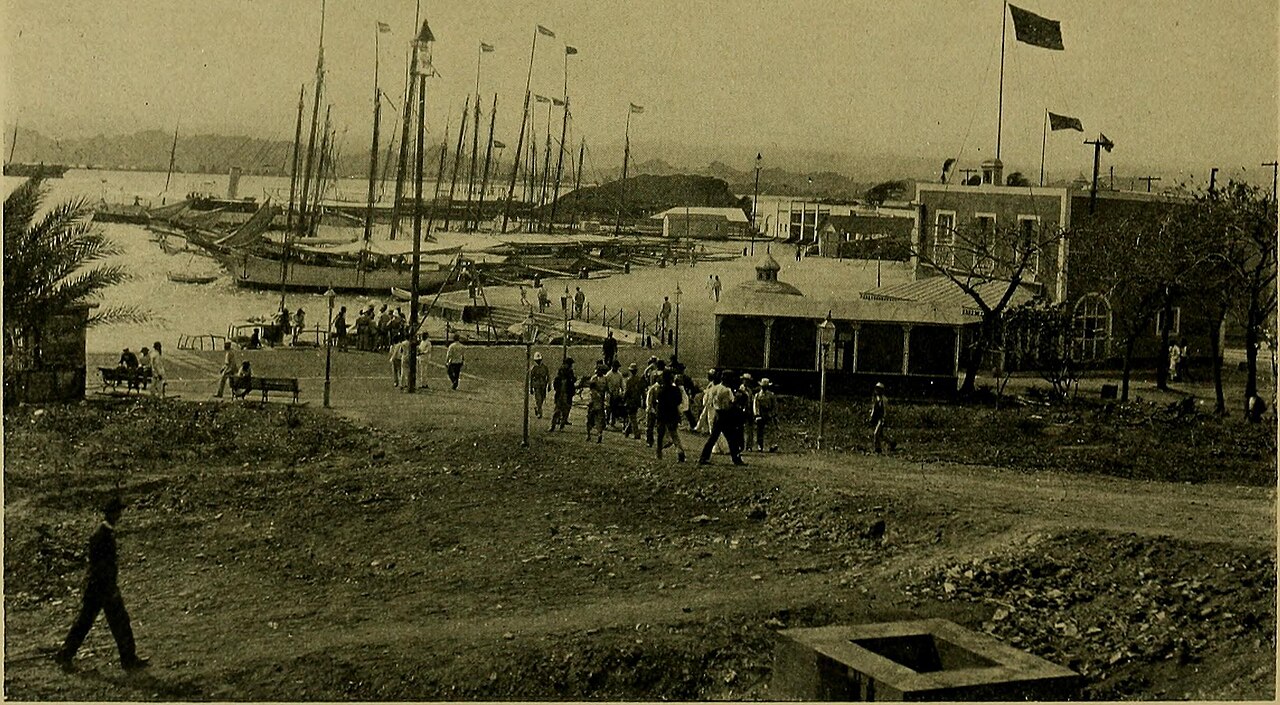
Las Marías sits in the mountains of western Puerto Rico, between Mayagüez and the coffee municipalities of the interior. It grows coffee on its higher slopes and sweet oranges on its lower ones, and it is known across the island for the second of those crops rather than the first.
This article has been substantially corrected. Its previous version was built on a claim about population that is false, named the wrong fruit throughout, and gave the wrong month for the town's festival. Each correction is stated where it belongs.
Where Las Marías Sits

Las Marías lies in the western cordillera, in the Mayagüez senatorial district. It borders Maricao to the south, San Sebastián to the north and Lares to the east, with Mayagüez and Añasco to the west. It covers about 46.5 square miles, roughly 120 square kilometres, and is divided into sixteen barrios.
Its rivers drain west. The Río Grande de Añasco system carries most of the municipality's water to the sea at Añasco Bay, on the west coast north of Mayagüez. This encyclopedia previously described that drainage as reaching the coast near Mayagüez, which is close but not correct.
The town was founded on 1 July 1871. Settlement in the area is recorded from 1842.
The Population Question
Las Marías is not the smallest municipality in Puerto Rico, and it is not the smallest coffee municipality. This encyclopedia stated that it was, in its title, its address, its opening paragraph, a section heading, its Key Facts, an FAQ answer and its sponsor line. The claim was false in all seven places and has been removed from all of them.
The 2020 Census figures:
| Municipality | Population, 2020 |
|---|---|
| Culebra | 1,792 |
| Maricao | 4,754 |
| Vieques | 8,250 |
| Las Marías | 8,867 |
Maricao is a coffee municipality with roughly half the population of Las Marías, and this article's own text names Maricao as a coffee region. The claim could not have survived its own page.
Las Marías is small, and getting smaller: the 2010 Census recorded 9,881 residents. It is among the least populous municipalities on the island. It is not the least populous, and this encyclopedia previously carried a range of 9,000 to 10,000 that is now above the actual figure.
China Dulce: The Sweet Orange, Not the Mandarin
Las Marías is known as el Pueblo de la China Dulce — the town of the sweet orange — and also as la Ciudad de los Cítricos, the citrus city.
China dulce is the sweet orange, Citrus sinensis. It is not a mandarin. Puerto Rico is the only Spanish-speaking territory that calls Citrus sinensis a china rather than a naranja; one commonly repeated explanation is that the fruit arrived in sacks labelled China. A mandarina is a different fruit, and at the town's own festival growers exhibit mandarina as one variety among many alongside the china.
This encyclopedia previously called the crop a mandarin in six places, including a section heading. That was not a translation slip. It named the wrong fruit for the crop the town is known for, on a page about the town.
Citrus growing has been part of the local economy since the town's founding. Local accounts attribute the fruit's quality here to acidic soils, mountain drainage and cool nights that deepen colour and flavour. Those are the reasons given locally; this encyclopedia has not located an agronomic study of Las Marías citrus that tests them.
Coffee and Citrus on the Same Farms
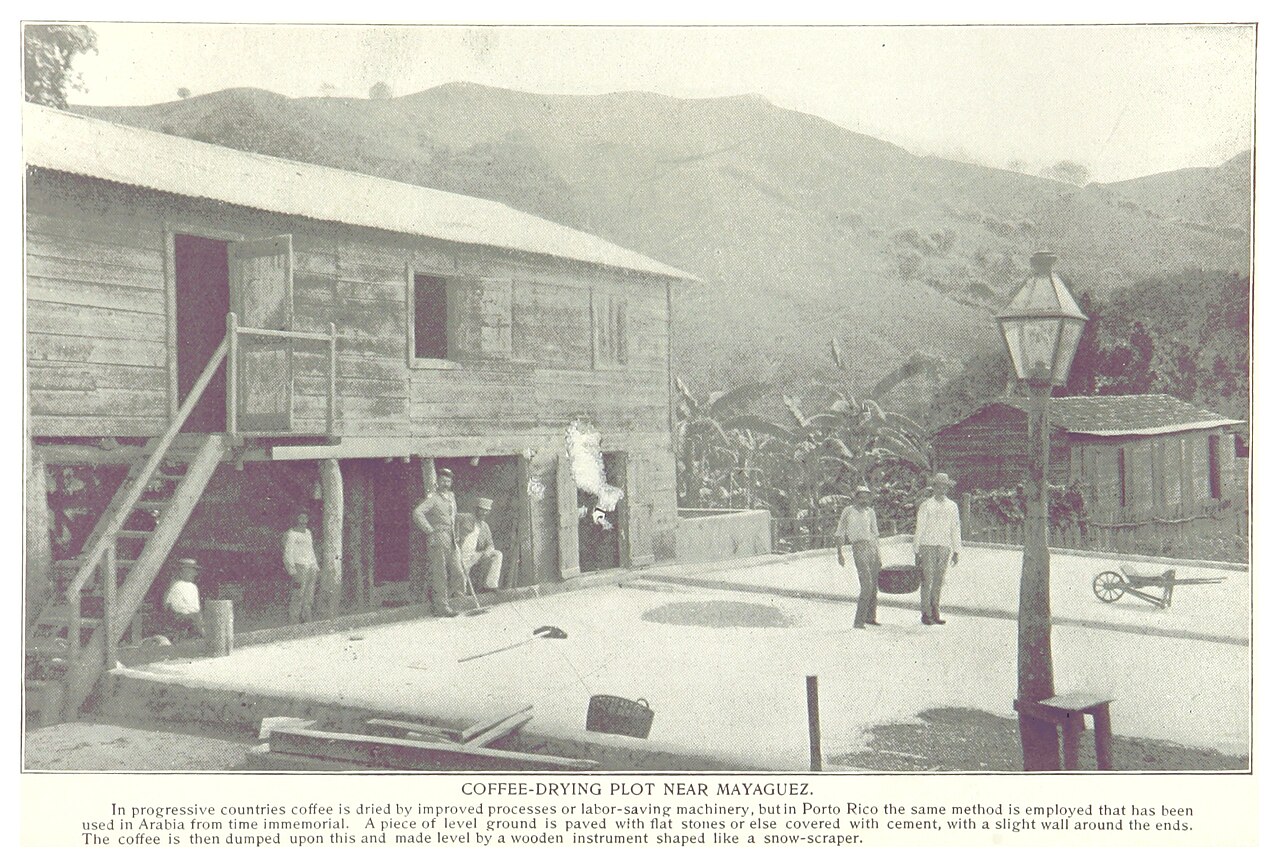
Coffee and citrus occupy different ground on the same municipality, and often the same farm. Coffee takes the cooler upper slopes; the china takes the warmer lower ones. For a smallholder that division is not botanical trivia — it is a second income in the months when coffee brings none.
Watch: Inauguran vivero para desarrollar la siembra del café y cítricos en Las Marías — WOLE 12
The film above records the opening of a nursery in Las Marías for both crops together, which is how the municipality's agriculture is actually organised.
Coffee Production Today
Las Marías grows coffee between roughly 1,200 and 2,500 feet, on farms that are small even by Puerto Rican standards. The varieties reported across the western cordillera are Typica, Bourbon, Limaní, Frontón, Marsellesa, Obatá and H1 Centroamericano. Limaní and Frontón are the two bred in Puerto Rico; the others are introductions.
Hurricane María in 2017 and Hurricane Fiona on 18 September 2022 both struck the western mountains. Recovery here has followed the island-wide pattern: replanting is measurable, and production has not returned to pre-2017 levels.
Several figures previously given on this page had no source and have been removed: farm sizes in cuerdas, participation in specific seedling distribution programmes, and cupping scores presented as routine for the municipality. They are listed at the end of this article.
The Festival de la China Dulce
The Festival de la China Dulce is held in March, in the Plaza Pública San Carlos in the town centre. The 2026 edition, the thirty-seventh, ran from 13 to 15 March; the 2025 edition ran from 14 to 16 March.
This encyclopedia previously gave the festival as November, in three places including an FAQ answer and a visitor recommendation. A reader planning a trip around it would have arrived eight months late. The November festival in this part of the island is the Festival Indígena in Jayuya, which is a different event in a different municipality.
The festival is an agricultural fair as much as a party. Growers exhibit the varieties of china they cultivate — one edition displayed seventy-nine of them — alongside artisans and food stalls. It is the town's largest event of the year.
Visiting Las Marías
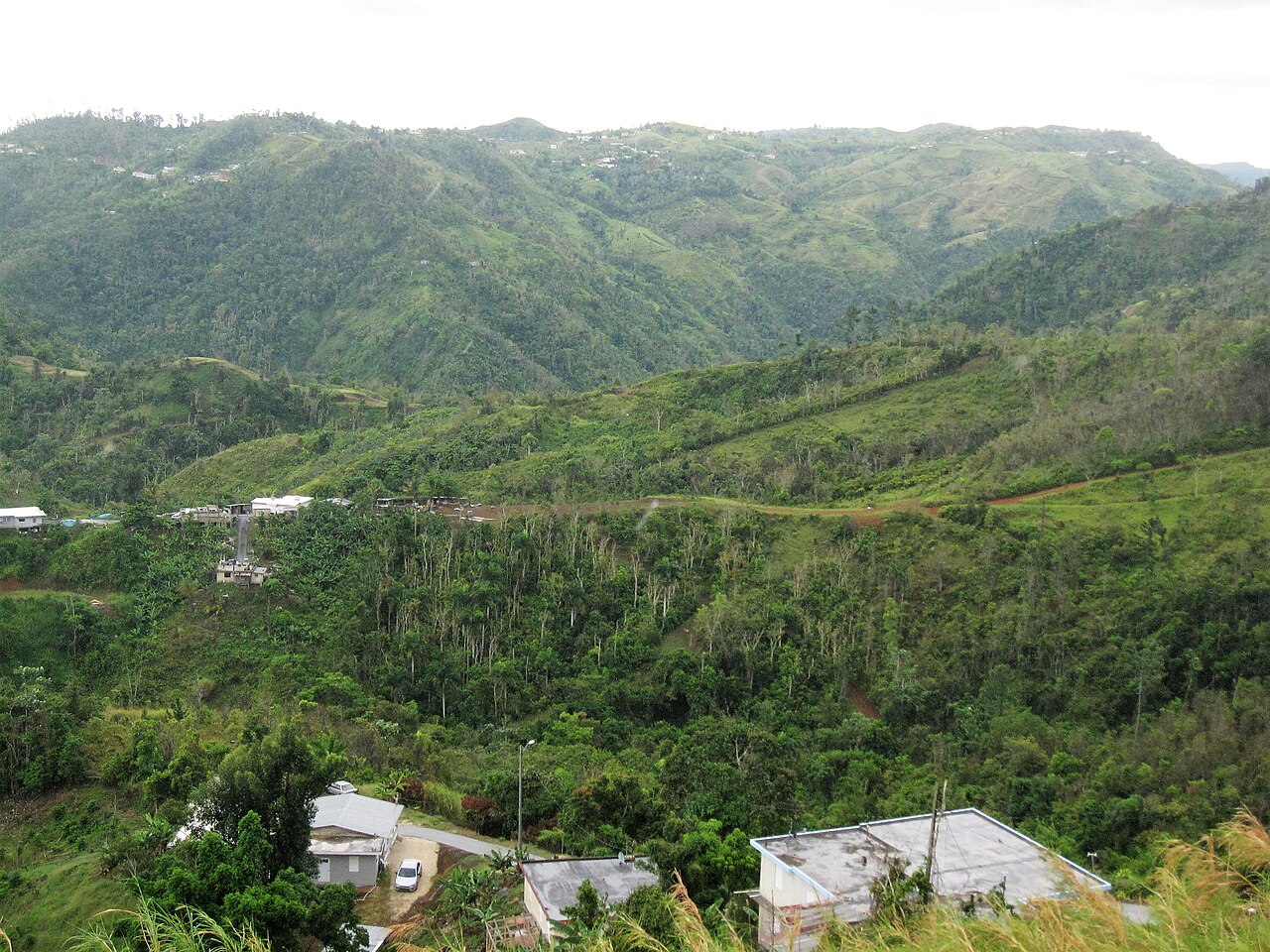
Las Marías is reached from Mayagüez on Route 119, or from the interior on Route 105. It is mountain driving.
This encyclopedia previously stated that several farms offer informal tours during the harvest, without naming a single farm or giving any contact. It also directed readers to the Puerto Rico Tourism Company, which does not book individual farm visits in Las Marías. Both statements have been removed, because neither could be acted on.
What can be said is that the festival in March is the reliable way to meet growers from the municipality in one place, and that the coffee harvest runs from roughly August to February, with picking heaviest between October and December.
Why Las Marías Matters
Las Marías is not the biggest coffee municipality, the highest, or the most famous. It is one of the twenty-eight municipalities named in Puerto Rico's coffee statute as the island's zona cafetalera, and it is the clearest example of something the coffee zone does generally: it does not live on coffee alone.
The town's identity is built on the fruit it grows below the coffee line, and it has spent thirty-seven years holding a festival to say so. Coffee is part of what Las Marías is. It is not the whole of it, and a page that pretended otherwise was describing a different town.
Key Facts
- Founded 1 July 1871; settled from 1842.
- Area about 46.5 square miles, 120 square kilometres; sixteen barrios.
- Population 8,867 in the 2020 Census; 9,881 in 2010.
- Nicknames: Pueblo de la China Dulce, Ciudad de los Cítricos.
- China dulce is Citrus sinensis, the sweet orange — not a mandarin.
- Festival de la China Dulce: March, Plaza Pública San Carlos.
- One of the twenty-eight municipalities of the zona cafetalera under Ley 78-2019.
- Borders Maricao, San Sebastián, Lares, Mayagüez and Añasco.
- Coffee harvest roughly August to February.
Frequently Asked Questions
Is Las Marías the smallest municipality in Puerto Rico? No. Culebra, Maricao and Vieques all had smaller populations in the 2020 Census. Maricao, also a coffee municipality, has roughly half the population of Las Marías. This encyclopedia previously answered yes, and that answer was wrong.
What is china dulce? The sweet orange, Citrus sinensis. Puerto Rico is the only Spanish-speaking territory that calls it a china rather than a naranja. It is not a mandarin.
When is the Festival de la China Dulce? March, in the Plaza Pública San Carlos. Confirm the exact dates with the municipality before travelling; they move by a day or two each year.
Can I tour a coffee farm in Las Marías? This encyclopedia has not been able to name a farm in Las Marías that offers scheduled tours with published contact details. Farms elsewhere in the coffee zone do, and are covered in this encyclopedia.
What coffee grows there? Typica, Bourbon, Limaní, Frontón, Marsellesa, Obatá and H1 Centroamericano are the varieties reported across the western cordillera. Limaní and Frontón were bred in Puerto Rico.
Sources
- United States Census Bureau, 2020 Census and 2010 Census — the population figures for Culebra, Maricao, Vieques and Las Marías, and the 2010 figure for Las Marías.
- Municipality of Las Marías and standard geographic references — founding on 1 July 1871, settlement from 1842, the sixteen barrios, the area, and the bordering municipalities.
- Plenitud PR, "Las Marías: The Town of Sweet Oranges" — china dulce as Citrus sinensis, Puerto Rico being the only Spanish-speaking territory to use the term, the town's nickname, citrus as a contributor to the local economy since the town's founding, and the local explanation of soil, drainage and night temperature.
- El Nuevo Día, coverage of the Festival de la China Dulce — the thirty-seventh edition held 13 to 15 March 2026 at the Plaza Pública San Carlos.
- El Vocero, "Las Marías: 37 años de agroturismo" — the 2025 edition held 14 to 16 March, and the festival's age.
- Discover Puerto Rico, festival listing — the March dates and the public square location.
- Sol Borincano, festival coverage — the exhibition of seventy-nine varieties of china, and mandarina exhibited as a distinct variety alongside them.
- WOLE 12, "Inauguran vivero para desarrollar la siembra del café y cítricos en Las Marías" — the coffee and citrus nursery in the municipality, embedded above.
- Ley 78 de 27 de julio de 2019, Ley de la Oficina de Cafés de Puerto Rico — the twenty-eight municipalities of the zona cafetalera.
- National Hurricane Center — Hurricane Fiona's Puerto Rico landfall on 18 September 2022.
Claims this encyclopedia could not source
- That Las Marías is the smallest municipality, or the smallest coffee municipality. It is false, not merely unsourced, and the census figures are given above.
- That china dulce is a mandarin. Also false. It is Citrus sinensis.
- That the Festival de la China Dulce is held in November. False. It is held in March.
- Farm sizes in cuerdas — previously given as a few cuerdas to rarely over a hundred, with no source.
- Elevations for the town, the valleys and the peaks — previously given precisely, with no source. The coffee elevation range is reported here as approximate.
- That Las Marías farms participated in specific seedling distribution programmes, or received technical assistance from a named organisation. No document naming the municipality has been located.
- Cupping scores of 84 to 86 as routine for the municipality, with lots reaching 87 to 88. No cupping records for Las Marías have been located. A quality claim about an entire municipality needs data.
- "Consistently clean, balanced, chocolate-toned cups" as a description of Las Marías coffee. No sensory data located.
- Direct-trade relationships between Las Marías farms and mainland roasters. Asserted previously, with no party named on either side.
- Farms offering informal tours during harvest. No farm in Las Marías with published tour details has been located.
- An agronomic study of Las Marías citrus. The local explanation of soil and climate is reported as such; no study testing it has been found.
- The town's founding year. Standard references give 1 July 1871; at least one local account gives 1872. The 1871 date is used here.
Related Articles
- Yauco: Puerto Rico's Crown Coffee Region
- Adjuntas: The Coffee Capital of the Mountains
- Maricao: Where Coffee Meets the Cloud Forest
- Puerto Rico Coffee Cooperatives and Economics
- Utuado and Ciales: Central Mountain Coffee Regions
- Puerto Rico Coffee Agritourism: Farm Tours, Tastings, and Visits
- Hacienda Caracolillo: The Jewel of Maricao Coffee
Buy Authentic Puerto Rico Coffee
Coffee from the mountain municipalities of western Puerto Rico. Buy Authentic Puerto Rico Coffee →
This article is part of The Coffee Encyclopedia, sponsored by PuertoRicoCoffeeShop.com — the trusted source for authentic Puerto Rican coffee.