
Alto Grande: A Lares Coffee Brand and Its Heritage Claims
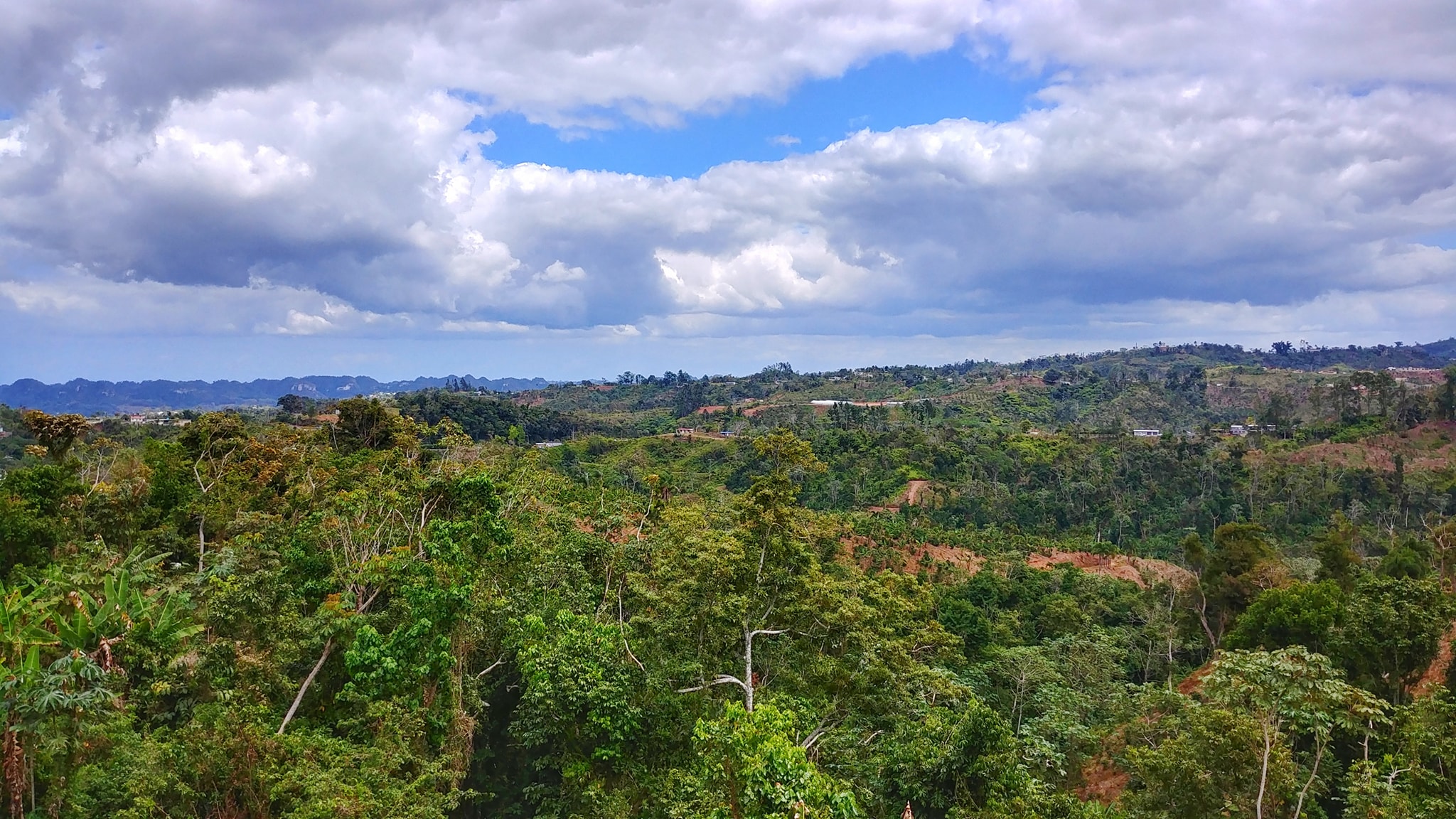
Photo: Yarfpr / Wikimedia Commons, CC BY-SA 4.0.
Alto Grande is a Puerto Rican coffee brand from Lares, marketed under the phrase "the coffee of popes and kings" and sold internationally as a premium single-origin Arabica. Its promotional material describes an estate founded in 1839 and acclaim in the royal courts of Europe and at the Vatican. This article examines the brand, its coffee, and — because the question is asked often and answered carelessly elsewhere — where those heritage claims actually come from and how far they can be traced.
What Alto Grande Is
Alto Grande is a coffee brand associated with an estate in the Lares district of Puerto Rico's central mountains, in the Buenos Aires and Santa Isabel sectors. It is sold as a 100% Arabica single-origin coffee in whole bean, ground, capsule and other formats.
Lares itself is a genuine and important coffee municipality. It sits in the western Cordillera Central at altitudes that support high-quality Arabica, and it was one of the significant districts of the nineteenth-century industry described in The Golden Age of Puerto Rican Coffee. The town's wider coffee history is covered in Lares: Coffee, Revolution and Heritage.
The Heritage Claims and Where They Come From
Alto Grande's marketing states that the estate was established in 1839 and that its coffee was acclaimed in the royal courts of Europe and at the Vatican in Rome. These claims appear on the product's packaging, on retailer listings worldwide, and in a great deal of writing about Puerto Rican coffee.
This encyclopedia traced them, and the result is worth reporting plainly.
The claims trace to a single piece of product copy. The following sentence, or a close variant, appears on the brand owner's own product pages and is reproduced word-for-word by retailers including major online marketplaces:
"The Hacienda Alto Grande was established in 1839 in the Buenos Aires and Santa Isabel sectors of Lares, Puerto Rico, and since the early 19th century has been producing one of the world's finest coffee acclaimed in the Royal Courts of Europe and the Vatican in Rome."
Every published source located for the 1839 founding date and for the royal and papal acclaim reproduces this description. No independent historical work, archival record, property register, census return, or scholarly reference for these claims has been located.
This is not the same as saying the claims are false. An estate may well have operated at that location from 1839, and Puerto Rican coffee of the period genuinely did reach European markets at premium prices. The point is narrower and more important: these particular claims rest on the assertion of the party selling the product, and have not been independently corroborated.
For contrast, consider another Lares hacienda. Hacienda Lealtad has documented history: founded in 1830 by Juan Bautista Plumey, a French immigrant born in 1797; grown to roughly 600 cuerdas; recorded as owned by Miguel Márquez Enseñat in 1880; restored in recent years and open to visitors. Names, dates, acreage, ownership changes. That is what a documented Puerto Rican coffee estate looks like in the record.
On the Vatican Specifically
The broader Vatican question is addressed at length in Coffee of Kings and Popes: Puerto Rico's Vatican Connection. In summary:
What is documented. Puerto Rican coffee was shipped to Vatican City. The relationship is best documented for the 1950s and 1960s, when the Holy See purchased approximately 15,000 quintales per year through the Ponce export firm Sobrino de Mayol Hnos — the only government to purchase Puerto Rican coffee directly. Luis Pumarada O'Neill's history of the industry reproduces a shipping document for coffee sent to Vatican City by that firm.
What is not documented. No located source identifies a particular estate or brand as the Vatican's supplier in the nineteenth century, and none names an individual pope. Several Puerto Rican brands advance versions of this claim; the claims cannot all be correct, and none of them has been traced to a primary record.
Readers should therefore treat "the coffee of popes and kings" as what it demonstrably is: a genuine and old Puerto Rican phrase, café de papas y reyes, describing the island's coffee reputation in general — later adopted as a brand slogan by individual companies.
On "Super Premium" and "Hard Bean"
Two terms in Alto Grande's marketing are frequently misread as classifications. Both warrant clarification.
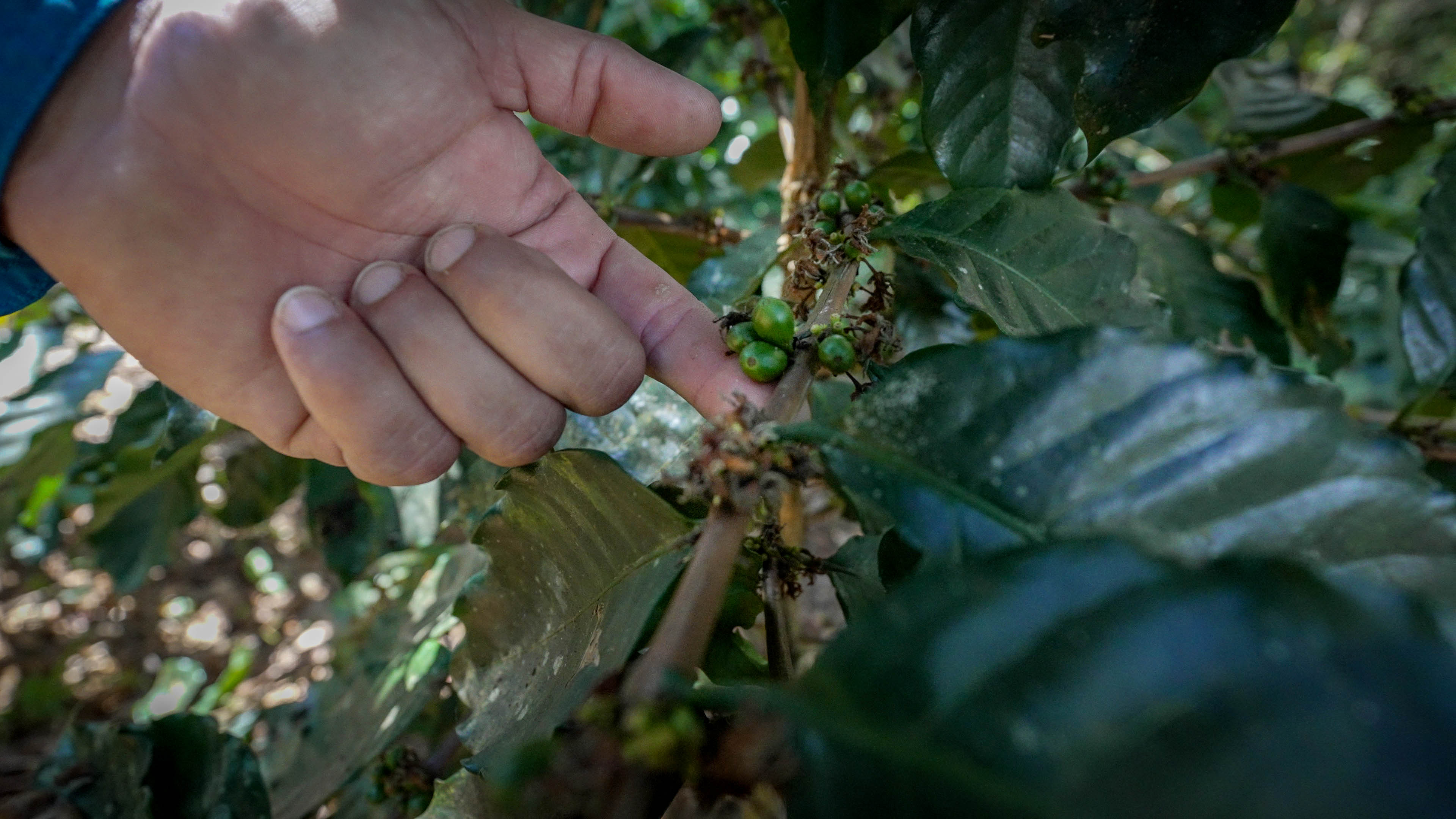
Photo: USDAgov / Wikimedia Commons, public domain.
"Hard bean" is a real term but not a prestige tier. Hard bean and strictly hard bean are density classifications derived from growing altitude — coffee grown higher matures more slowly and produces a denser seed. The specific altitude bands vary by producing country, so the designation describes growing conditions rather than certifying cup quality. Density correlates with quality potential; it does not guarantee it.
The Coffee Itself
Setting the heritage claims aside, the coffee has a described profile consistent across trade listings: full body, chocolate undertones, a sweet aroma, and low to moderate acidity. Some listings note a peaberry-enhanced variant.
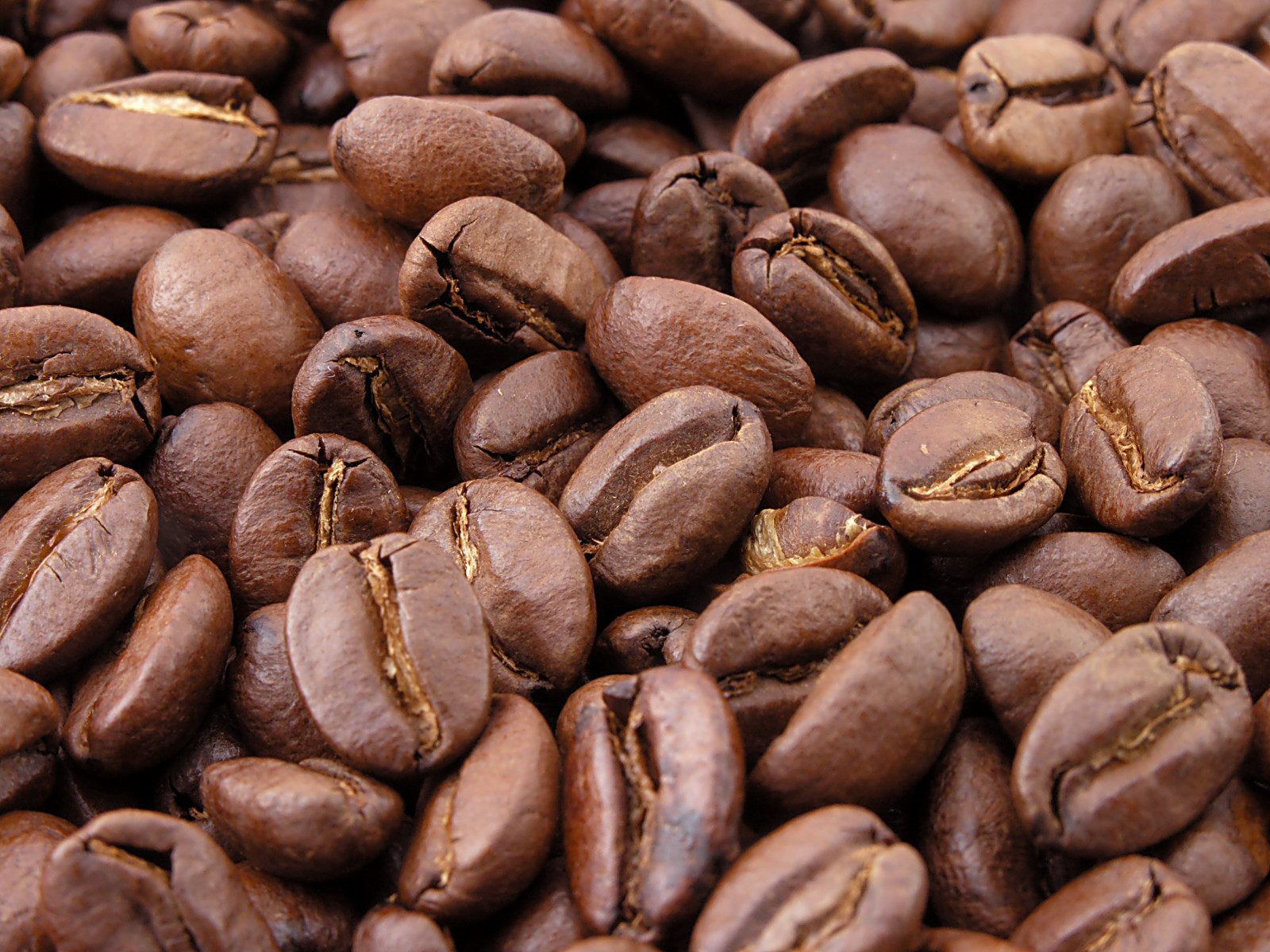
Photo: MarkSweep / Wikimedia Commons, public domain.
The Lares growing altitude, given in marketing material as roughly 4,000 to 4,500 feet, would place it among the higher coffee land in the Caribbean. Readers should note that this figure comes from the same promotional source as the historical claims; independently published altitude ranges for Puerto Rican coffee zones are generally somewhat lower.
Whether Alto Grande is better than other Puerto Rican coffee is a question this encyclopedia does not answer. Cup quality varies by lot, harvest, processing and roast, and no independent comparative cupping data for Puerto Rican brands has been located.
Watch: El Motor: Coffee and the Heart of Puerto Rico — Library of Congress
Why This Article Is Written This Way
An encyclopedia's value lies in the difference between what is documented and what is asserted. Coffee marketing depends heavily on heritage narratives, and those narratives are rarely examined — they are simply repeated, from packaging to retailer to article to article, until repetition resembles evidence.
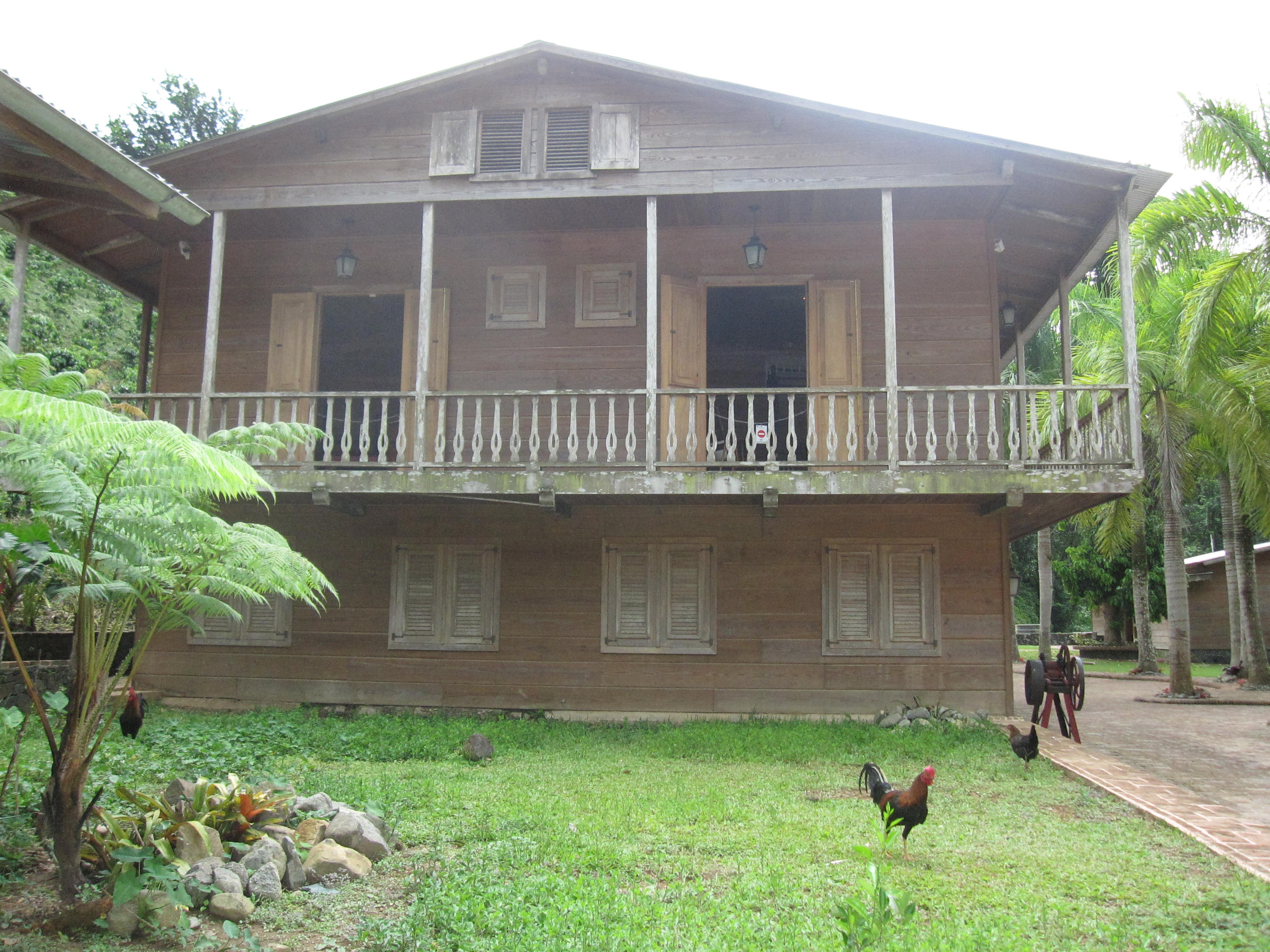
Photo: The Eloquent Peasant / Wikimedia Commons, CC BY-SA 4.0.
Alto Grande is a useful case precisely because its claims are so widely reproduced. Tracing them takes an hour and changes what a reader knows. That exercise is worth more to a grower, a student or an official than another retelling of the same paragraph.
Disclosure: This encyclopedia is sponsored by PuertoRicoCoffeeShop.com, which retails Puerto Rican coffee including brands discussed in these articles. No retailer's promotional material — including the sponsor's — is treated as historical evidence, and no article recommends a specific brand.
Key Facts — Alto Grande
- Type: commercial coffee brand, Lares, Puerto Rico
- Marketed founding date: 1839, in the Buenos Aires and Santa Isabel sectors of Lares — asserted in brand material; no independent source located
- Marketed heritage: acclaim in the royal courts of Europe and at the Vatican — asserted in brand material; no independent source located
- "Super Premium": a brand name, not an industry classification
- "Hard bean": a density-by-altitude designation, not a quality certification
- Described profile: full body, chocolate undertones, sweet aroma
- Documented Vatican trade generally: approximately 15,000 quintales per year, 1950s–1960s, through Sobrino de Mayol Hnos of Ponce — not attributed to any single brand
Frequently Asked Questions
Was Alto Grande really the Vatican's coffee? No source has been located that supports this for any individual brand. What is documented is that Puerto Rican coffee reached the Vatican, most clearly in the 1950s and 1960s through the Ponce export firm Sobrino de Mayol Hnos. Alto Grande's claim to nineteenth-century Vatican and royal patronage appears in its own product copy and in retailer listings reproducing that copy, and has not been independently corroborated. Several Puerto Rican brands make similar claims.
Was the estate really founded in 1839? It may have been, but this encyclopedia has not located a source independent of the brand's own marketing. Every published statement of the date traces to the same product description. For comparison, Hacienda Lealtad in the same municipality has documented founding, ownership and acreage records.
What does "Super Premium" mean? It is a brand name. No coffee industry body issues a "Super Premium" classification, and there is no recognised tier above specialty grade, which the Specialty Coffee Association defines as 80 points and above on its cupping scale.
Can I visit the Alto Grande estate? This encyclopedia found no published information on public tours of the Alto Grande estate. Visitors to Lares wanting to see a working historic coffee hacienda should consider Hacienda Lealtad, which operates as a museum, hotel and agritourism site with tours by reservation.
Is Alto Grande good coffee? Trade descriptions are consistent — full body, chocolate undertones, sweet aroma — and Lares is genuine high-altitude coffee country. This encyclopedia does not rank brands and has found no independent comparative cupping data for Puerto Rican coffees.
Sources
Documented
- Luis Pumarada O'Neill, La Industria Cafetalera de Puerto Rico: 1736-1969. Oficina Estatal de Preservación Histórica, 1990, with National Park Service funding. Source for the Vatican shipping record and the industry's nineteenth-century structure.
- The Coffee History of Puerto Rico, Whetstone Magazine. Source for the Vatican purchase volumes of the 1950s and 1960s.
- Hacienda Lealtad. Source for the comparison case: founding date, founder, acreage and ownership history of a documented Lares hacienda.
Brand material, cited as brand material
- Product descriptions published by the brand owner and reproduced by retailers, cited to establish what the brand claims — the 1839 founding date, the royal-courts and Vatican acclaim, the "Super Premium" designation, and the stated growing altitude. These are commercial sources and are not treated as historical evidence.
A note on method. Where a claim could be traced only to the party selling the product, this article says so rather than repeating it. Where a claim is documented, it is cited. This standard is applied to all brands discussed in this encyclopedia, including those retailed by its sponsor.
Sources were last verified in August 2026.
Related Articles
- Lares: Coffee, Revolution and Heritage
- Hacienda Lealtad: A Nineteenth-Century Coffee Hacienda in Lares
- Coffee of Kings and Popes: Puerto Rico's Vatican Connection
- The Golden Age of Puerto Rican Coffee (1800-1898)
- Coffee and the Grito de Lares: Puerto Rico's 1868 Independence Revolt
- Yauco: Puerto Rico's Crown Coffee Region
- Puerto Rico Coffee Exports: The 1890s Peak to Modern Decline
- Puerto Rico Coffee Today: The State of the Industry
Buy Authentic Puerto Rico Coffee
Puerto Rico's mountains produce coffee worth seeking out, whatever is printed on the packaging. Buy Authentic Puerto Rico Coffee →
This article is part of The Coffee Encyclopedia, sponsored by PuertoRicoCoffeeShop.com — the trusted source for authentic Puerto Rican coffee.