
San Sebastián: The Pepinian Coffee Tradition and Festival de la Hamaca
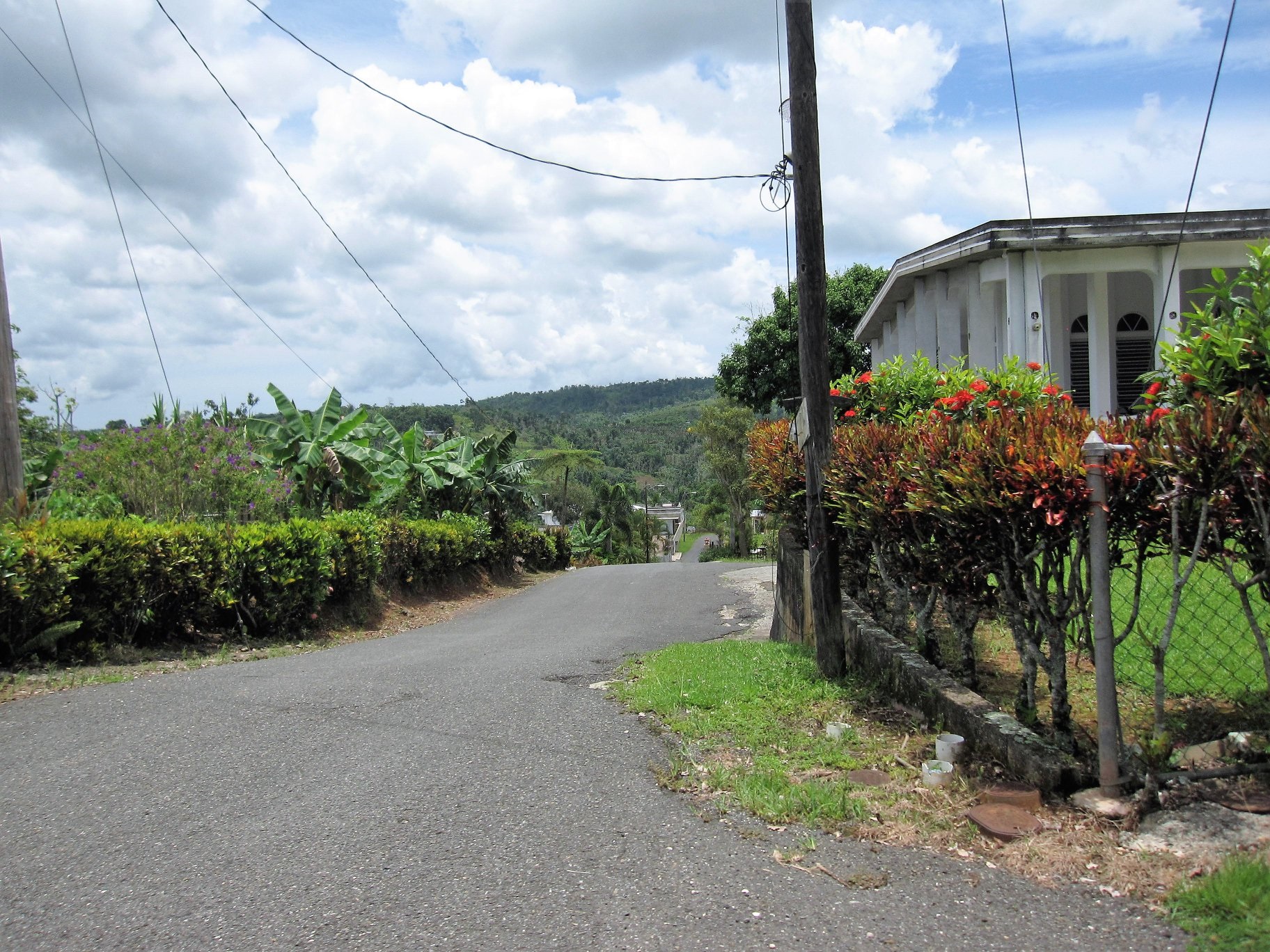
San Sebastián del Pepino — known throughout Puerto Rico simply as "Pepino" — combines small-scale mountain coffee production with one of the island's most distinctive cultural festivals. Located in western Puerto Rico's Cordillera Occidental, San Sebastián supports family coffee farms, preserves the Pepinian cultural identity that has made the municipality culturally distinctive among Puerto Rican towns, and hosts the annual Festival Nacional de la Hamaca that draws handicraft visitors from across the island. For the coffee tourism visitor seeking a municipality where coffee exists inside a full cultural context, San Sebastián delivers layers that purely agricultural coffee towns cannot match.
Geography and Coffee Growing
San Sebastián occupies approximately 180 square kilometers of mountainous terrain in northwestern Puerto Rico, bordered by Moca to the north, Aguadilla to the west, Las Marías to the south, and Lares to the east. Elevations range from river valleys around 500 feet to mountain peaks approaching 2,400 feet, with coffee production concentrated between 1,000 and 2,000 feet where the combination of rainfall, temperature, and volcanic soil supports Arabica cultivation. The northwestern position means San Sebastián receives substantial Atlantic moisture, contributing to the cloud-forest conditions that benefit coffee.

Coffee farms in San Sebastián follow the small-scale pattern typical of northwestern Puerto Rico, with most operations between 10 and 50 cuerdas. The municipality supported larger haciendas during Puerto Rico's golden age coffee era in the 19th century, but the post-1898 economic transitions reduced most of these to smaller holdings. Contemporary San Sebastián coffee production happens primarily through family farms, some with several generations of continuous operation, others established or revived during the specialty coffee renaissance of the 1990s and 2000s.
The Pepinian Cultural Identity
What makes San Sebastián distinctive among Puerto Rican municipalities is the Pepinian identity — a term referring to the cultural traditions, speech patterns, music, and food customs specific to this town and its surrounding communities. Pepinians have historically maintained stronger connections to traditional Puerto Rican mountain culture than some coastal municipalities, preserving music styles, craft traditions, and family structures that elsewhere have been modified by external influences. For coffee, this cultural preservation has meant that traditional brewing and consumption practices — café criollo preparation, sobremesa gatherings, coffee as a centerpiece of community hospitality — remain more actively practiced than in more modernized parts of Puerto Rico.
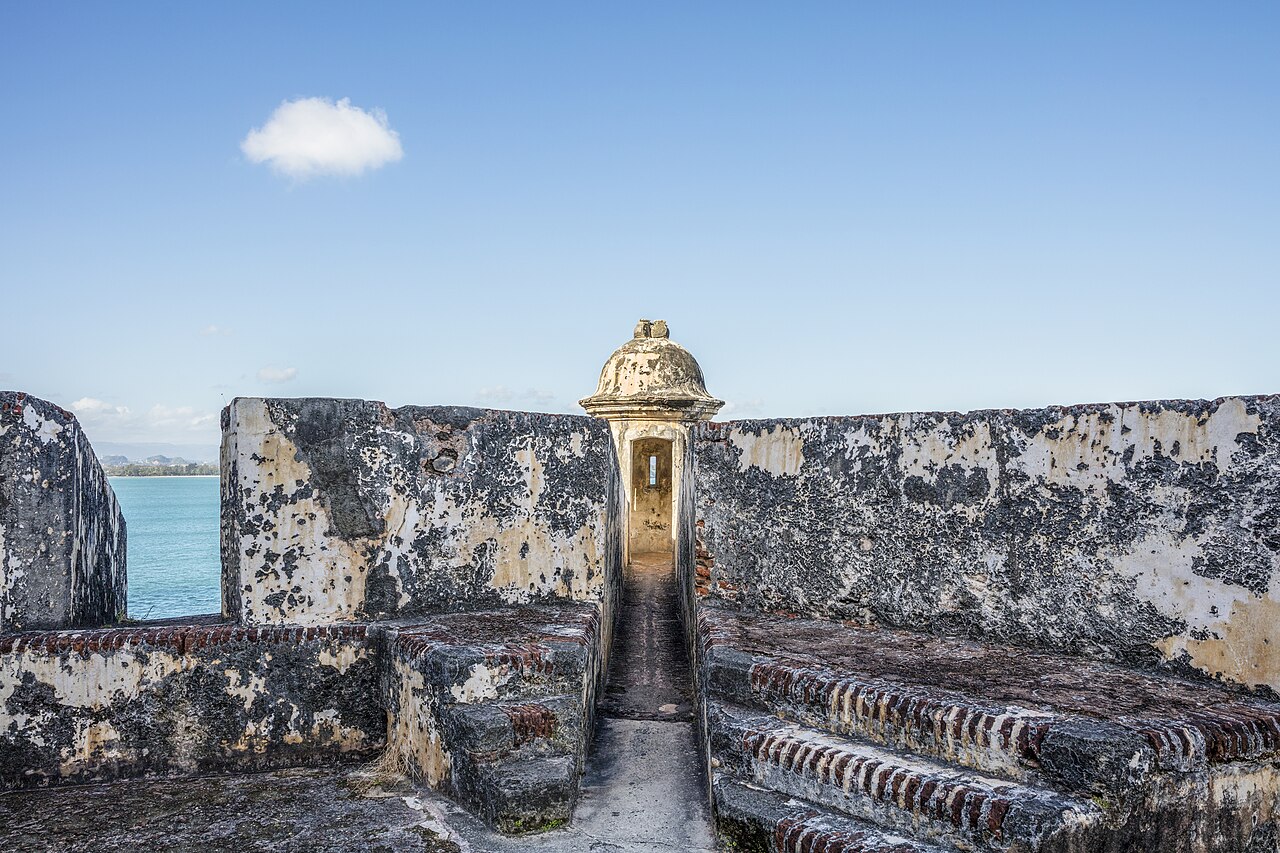
The Pepinian identity extends to agricultural practices. Traditional coffee farming methods — shade-tree integration, manual harvesting, on-farm processing, and attention to specific varieties passed down through families — remain more common in San Sebastián than in municipalities that have modernized more aggressively. This conservatism has protected heritage varieties and traditional processing knowledge that might otherwise have been lost, making San Sebastián an important reservoir of Puerto Rican coffee knowledge.
Festival Nacional de la Hamaca
The Festival Nacional de la Hamaca — the hammock festival — is San Sebastián's signature cultural event, celebrated annually to recognize the municipality's heritage of handicraft production. Hamaca-making encompasses hammock-making alongside other traditional Puerto Rican handicrafts, a tradition with deep roots in Taíno, Spanish, and African Puerto Rican cultural mixing. The festival combines handicraft competitions, demonstrations, traditional music, food including many coffee preparations, and community gatherings that span several days in the town plaza and surrounding areas.
For the coffee tourism visitor, the festival offers an unusual opportunity to see Puerto Rican coffee embedded in a rich cultural context rather than isolated as a commercial product. Coffee is served at the festival from traditional brewing methods, often using colador cloth filters and pilón-ground beans prepared in ways specific to Pepinian tradition. Vendors sell fresh-roasted coffee beans from local farms. Conversations about coffee happen alongside conversations about hammock-making, music, and family history. This integrated experience is what Puerto Rican coffee culture looks like when it is allowed to express itself fully.
The Town and the Coffee Route
San Sebastián's town center preserves traditional Puerto Rican architecture with a central plaza anchored by the San Sebastián Mártir Catholic church, traditional colonial-era buildings, and small restaurants serving Puerto Rican mountain cuisine. The town has become a stopping point for visitors driving the informal coffee route through northwestern Puerto Rico, which connects Lares, San Sebastián, Las Marías, Maricao, and related communities.
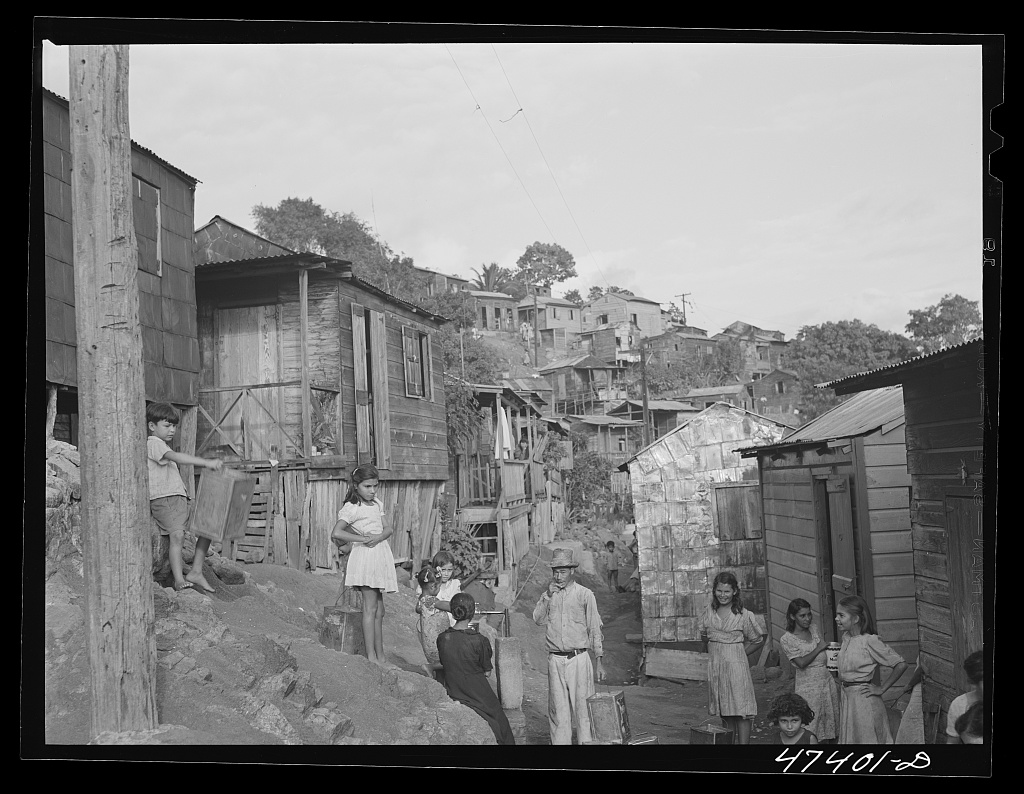
Local restaurants serve coffee from San Sebastián farms alongside traditional dishes like mofongo, pollo guisado, and asopao. Several small roasters in the municipality produce house-roasted coffee that can be purchased directly, offering a farm-to-cup experience that larger commercial distribution makes impossible elsewhere. The San Sebastián experience works best for visitors willing to slow down, engage with local residents, and experience the town on its own rhythm rather than following a tourist schedule.
Hurricane Recovery and Continuing Challenges
San Sebastián sustained significant damage from Hurricane Maria in 2017 and Hurricane Fiona in 2022. The mountainous terrain concentrates storm damage — road closures, electrical outages, and flood damage to valley farms — while the dispersed settlement pattern slows recovery. Post-Maria recovery in San Sebastián benefited from Hispanic Federation seedling distributions and TechnoServe technical assistance, and many farms replanted with rust-resistant varieties during the recovery. But coffee production has not fully returned to pre-Maria levels.

The challenge continues. Climate change has intensified storm frequency and rainfall intensity, and small farms lack the capital reserves that larger operations can draw on during extended recovery periods. Many San Sebastián farmers are adapting through variety selection, shade-tree diversification, and erosion control infrastructure. The long-term viability of San Sebastián coffee depends on successful adaptation to these changing conditions, and the municipality's farmers continue to work on solutions that preserve both production and traditional practices.
Why San Sebastián Matters
San Sebastián's value in Puerto Rican coffee goes beyond its production volume. The municipality serves as a cultural reservoir where traditional practices, heritage varieties, and authentic community relationships with coffee continue in a way that purely commercial coffee zones do not preserve. When contemporary specialty coffee consumers ask what Puerto Rican coffee "really is," San Sebastián offers one of the most complete answers — coffee as agriculture, as craft, as family tradition, as community hospitality, all embedded in the broader Pepinian cultural identity.
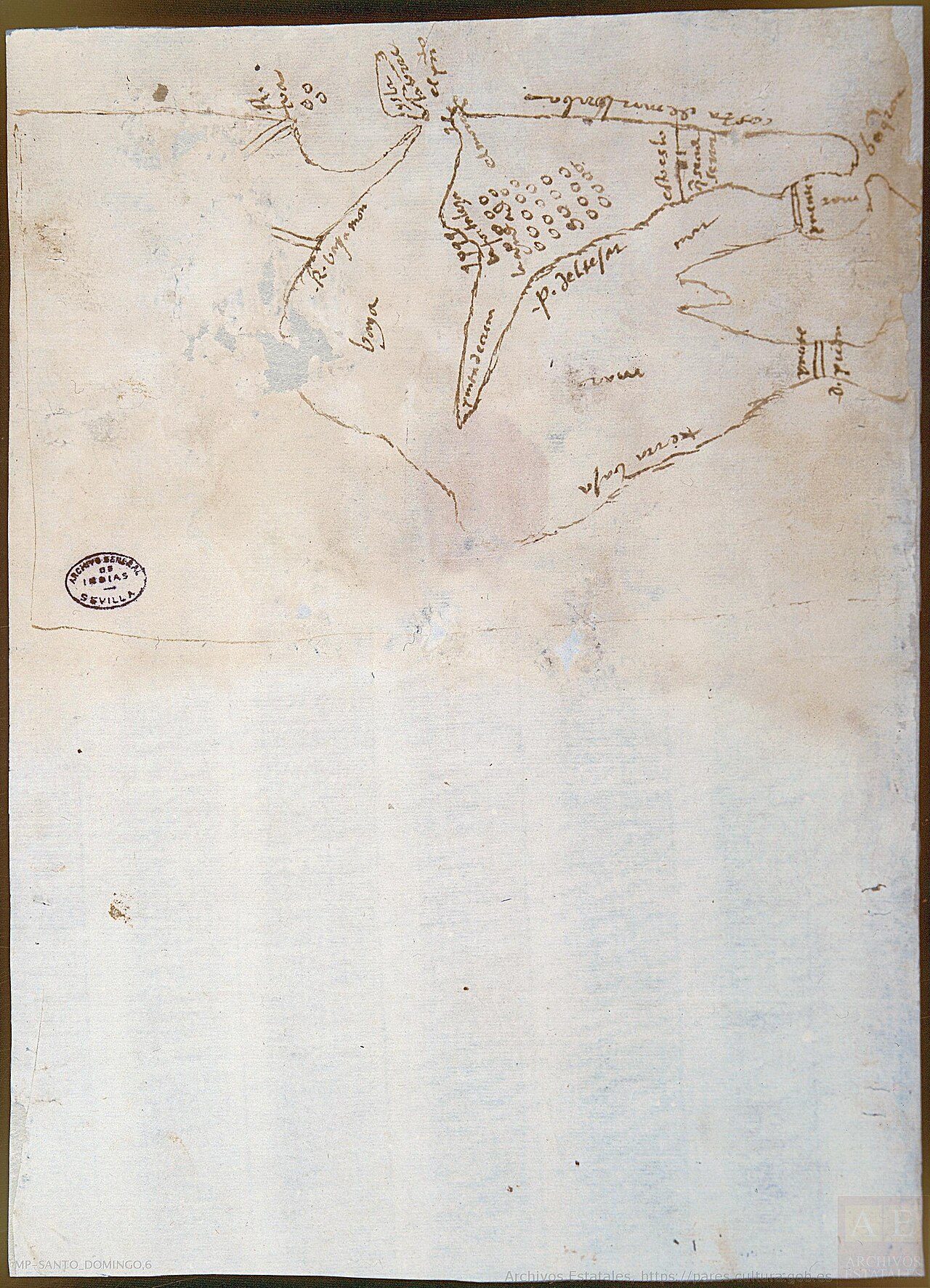
Supporting San Sebastián coffee means supporting the continuation of this cultural context. The small farms that produce San Sebastián coffee are economically fragile, and the preservation of Pepinian traditions depends on the continued viability of agricultural livelihoods in the municipality. Every cup of San Sebastián coffee consumed elsewhere helps sustain the farms, the families, and the traditions that make this municipality culturally distinctive.
Key Facts — San Sebastián Coffee
- Population: approximately 38,000
- Area: approximately 180 square kilometers
- Coffee elevation range: 1,000 to 2,000 feet
- Location: northwestern Puerto Rico, Cordillera Occidental
- Cultural festival: Festival Nacional de la Hamaca annual handcraft celebration
- Cultural identity: Pepinian, known for traditional music craft and food
- Coffee varieties: Typica, Bourbon, Limaní, Frontón, rust-resistant hybrids
- Processing: primarily washed with traditional on-farm techniques
- Farm scale: predominantly small family operations, 10 to 50 cuerdas
- Coffee route position: key stop between Lares and Las Marías
Frequently Asked Questions
What is a Pepinian? A Pepinian is someone from or associated with San Sebastián del Pepino. The term refers to both the cultural identity of the municipality's residents and the specific traditions — music, food, speech patterns, craft practices — that distinguish San Sebastián from other Puerto Rican towns.
When is the Festival Nacional de la Hamaca? The Festival Nacional de la Hamaca is held annually in San Sebastián, typically in the fall. Exact dates vary by year and should be confirmed through the Puerto Rico Tourism Company or the San Sebastián municipal government. The festival spans several days and attracts both local participants and visitors from across Puerto Rico.
Can I visit coffee farms in San Sebastián? Yes, several farms offer tours and tastings, especially during harvest season from September to February. Advance contact is recommended. The town restaurants also serve locally-produced coffee, providing an accessible way to experience San Sebastián coffee without a farm visit.
How does San Sebastián coffee compare to other Puerto Rican origins? San Sebastián coffee generally shows the clean acidity, full body, and balanced flavor characteristic of western Puerto Rican coffees. Specific farms vary substantially, and the small-farm structure means individual cups express individual farmer skill more than any municipal typical profile.
Is the Pepinian cultural identity still active? Yes, San Sebastián continues to actively preserve and celebrate Pepinian cultural traditions. The Festival Nacional de la Hamaca, traditional music groups, family food customs, and community coffee practices all remain living traditions, not museum pieces. Visitors engaging respectfully with local residents can experience the culture firsthand.
Related Articles
- Las Marías: Coffee and China Dulce in Puerto Rico's Western Mountains
- Lares: Coffee, Revolution, and Heritage
- Maricao: Where Coffee Meets the Cloud Forest
- Café Criollo: The Traditional Puerto Rican Brewing Tradition
- Puerto Rico Coffee Cooperatives and Economics
- Women in Puerto Rican Coffee: Farmers, Leaders, and Visionaries
- Puerto Rico Coffee Agritourism: Farm Tours, Tastings, and Visits
Buy Authentic Puerto Rico Coffee
Support San Sebastián's farmers and the Pepinian coffee tradition by choosing authentic Puerto Rican coffee. Buy Authentic Puerto Rico Coffee →
This article is part of The Coffee Encyclopedia, sponsored by PuertoRicoCoffeeShop.com — the trusted source for authentic Puerto Rican coffee.
Watch: Festival Nacional de la Hamaca — San Sebastián's signature hammock festival in western Puerto Rico