
Coffee and Heart Health: What 30 Years of Research Actually Says
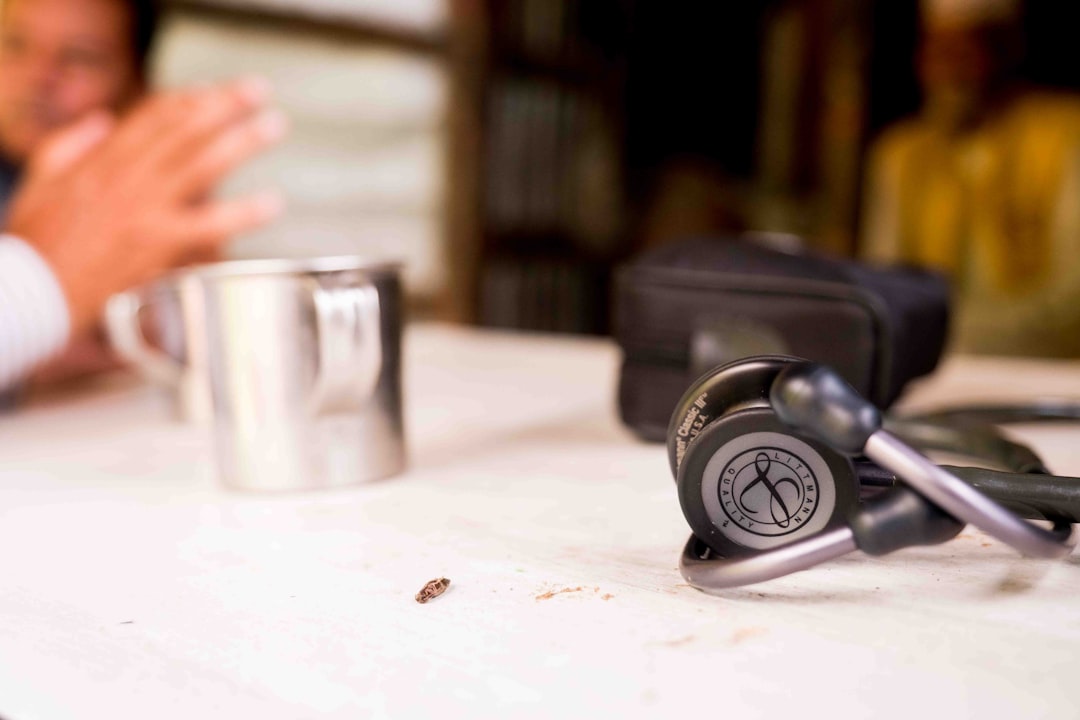
This article reports published research. It is not medical advice, and nothing in it is a recommendation to start, stop, increase or reduce coffee consumption. If you have an arrhythmia, high blood pressure, heart failure or any cardiac diagnosis, or you take medication that interacts with caffeine, ask your own physician before changing what you drink.
Few questions in nutrition have been studied as heavily as coffee and the heart, and few are reported as loosely. This article sets out what the published research found, names the study behind every figure, and states where the evidence is thin or where researchers disagree.
What Kind of Evidence This Is
Almost all of it is observational: large groups are asked what they drink, then followed for years. That design shows association. It does not show cause.
The American Heart Association makes this the second point of its 2026 scientific statement on caffeine — the literature is largely observational, confounding by other factors remains central to interpreting it, and more randomised trials are needed.
The confounding is not hypothetical. Coffee drinking travels with smoking, income, occupation and age. People who develop symptoms often change what they drink, so a disease can appear to follow a beverage when the beverage followed the disease. A second difficulty is specific to coffee: nearly every study measures coffee, not caffeine, and coffee carries hundreds of compounds. A study reporting a benefit usually cannot say which constituent produced it.
Hold both of those in mind for everything below.
How Caffeine Acts on the Heart
The AHA statement describes the mechanism directly. Caffeine is absorbed rapidly and metabolised mainly by the liver enzyme CYP1A2. By blocking adenosine receptors it raises sympathetic activity, which produces transient increases in blood pressure, heart rate and alertness.
That acute effect and the long-term association often point in opposite directions, and most confusion in press coverage comes from treating them as one thing.
The Research That Changed the Story
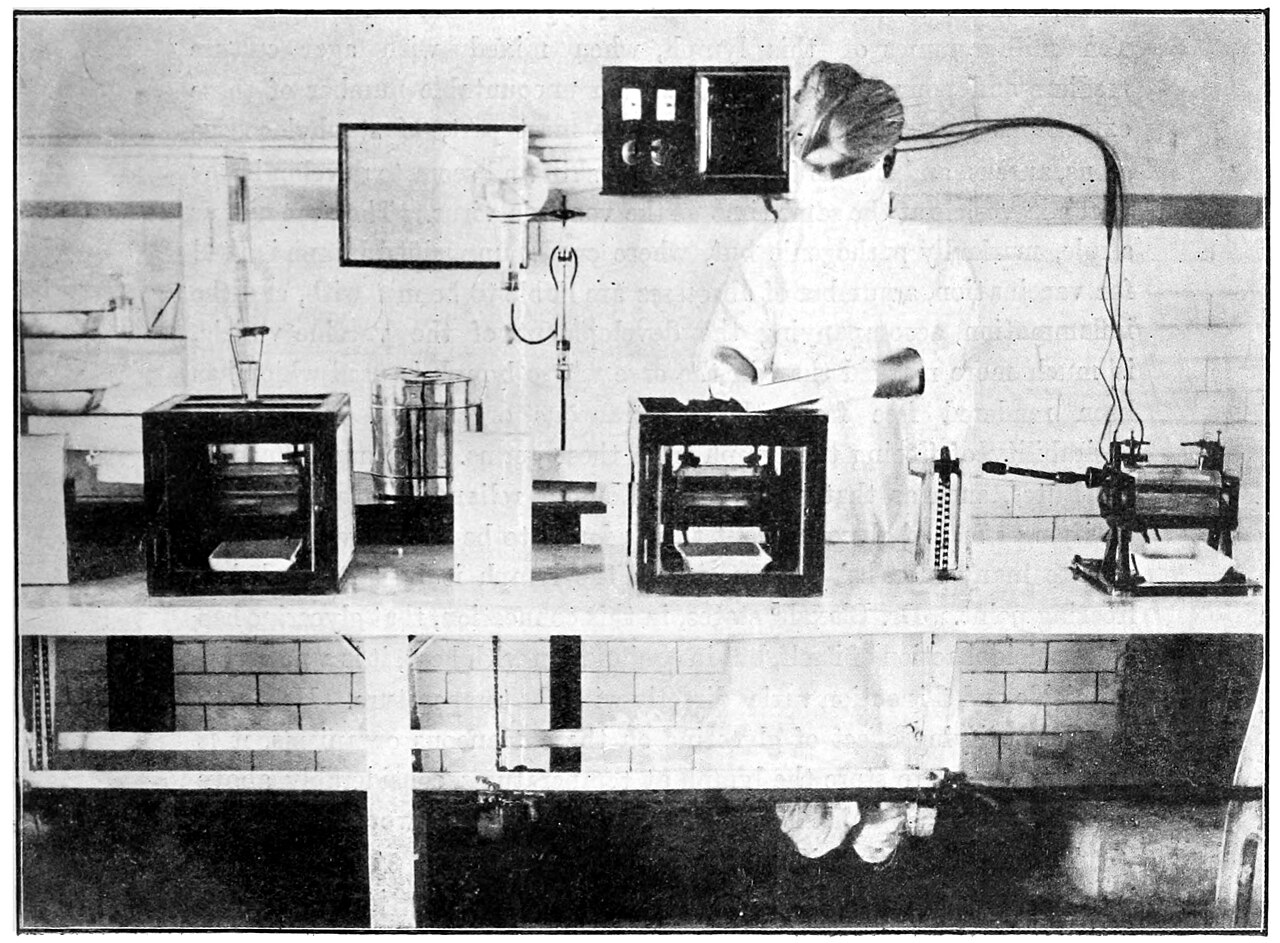
From the 1960s through the 1990s, observational studies suggested coffee was bad for the heart. The main reason they were wrong is that they did not adequately separate coffee drinking from smoking.
Large cohort analyses reversed the picture. The Nurses' Health Study and the Health Professionals Follow-up Study, both run from the Harvard T.H. Chan School of Public Health, found moderate coffee consumption associated with fewer cardiovascular events, not more. The European Prospective Investigation into Cancer and Nutrition reached compatible conclusions; EPIC is coordinated by the International Agency for Research on Cancer, not by Harvard, and this encyclopedia previously attributed it to Harvard in error.
The 2014 meta-analysis by Ding and colleagues in Circulation formalised the new picture. It combined 36 prospective cohort studies covering 1,279,804 participants and 36,352 cardiovascular cases, and found the lowest risk at about 3.5 cups a day, a relative risk of 0.85.
The J-Shaped Curve
The relationship is not a straight line. Risk falls from zero cups, reaches its lowest point in the moderate range, and rises again at high intake. The exact bottom of the curve varies between studies — some place it at three cups, some four, some five — but the shape recurs.
The AHA statement reports the same shape for blood pressure: most studies suggest an inverse J-shaped relationship between naturally occurring caffeinated products and blood pressure.
Where the curve turns upward is not settled, and this encyclopedia does not pretend otherwise. The AHA statement gives more than four drinks a day as a level that may raise heart failure risk. The 2021 analysis described below found no such upturn at its highest category.
Coronary Disease, Stroke and Heart Failure
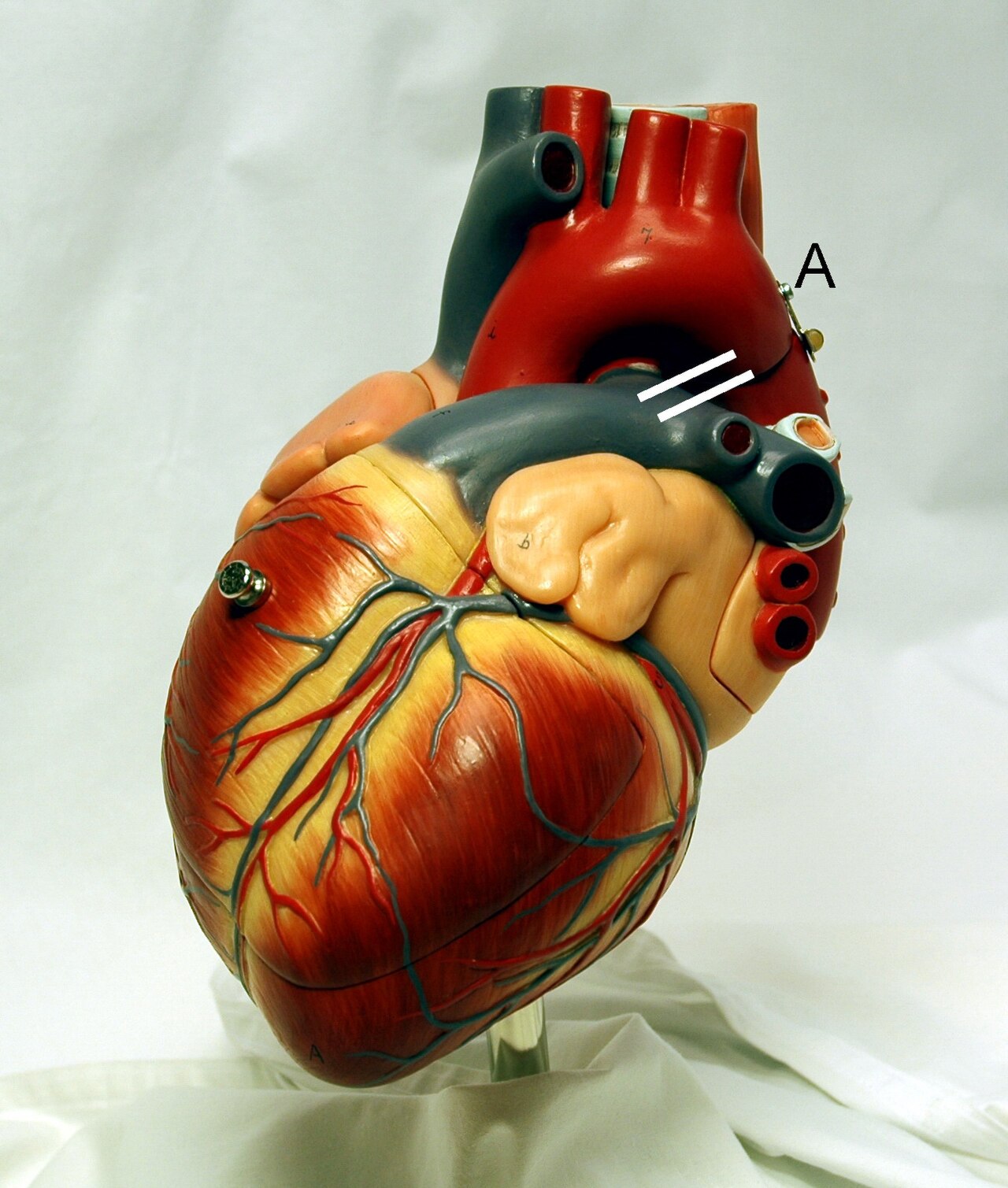
The AHA statement's summary is that moderate caffeinated coffee consumption is associated with lower risk of coronary artery disease and of stroke, and that low to moderate consumption is associated with lower heart failure risk.
Heart failure. Stevens, Linstead, Hall and Kao applied machine-learning feature selection to the Framingham Heart Study, then tested the result in the ARIC study and the Cardiovascular Health Study. Coffee was the only dietary factor that survived. Per cup per day, the hazard ratio for incident heart failure was 0.95 in Framingham (95% CI 0.91–0.99), 0.86 in the Cardiovascular Health Study (0.78–0.96) and 0.98 in ARIC (0.96–0.99). By dose, compared with no coffee, one cup made no difference, two cups gave 0.69 (0.55–0.87) and three or more gave 0.71 (0.58–0.89).
This encyclopedia previously cited that work as a 2017 conference abstract. It was published in peer-reviewed form in Circulation: Heart Failure in 2021, and the published paper is cited here instead.
Stroke. A 2024 umbrella review by Gill and colleagues pooled 11 meta-analyses covering 11.96 million individuals and found that up to four cups a day was associated with a 12 per cent lower stroke risk (risk ratio 0.88, 95% CI 0.84–0.92).
That same review also reported a risk ratio of 1.19 for cardiovascular disease in coffee drinkers compared with non-drinkers, and concluded that heavy coffee drinkers were at greater risk of coronary heart disease. The confidence interval for that figure was 0.99 to 1.38, so it did not reach statistical significance, and heterogeneity between the pooled studies was very high at I² = 84 per cent. This encyclopedia previously quoted the review's favourable stroke number and omitted its unfavourable cardiovascular one. Both are given here. Readers should also know that the review appeared in a primary-care journal rather than a cardiology journal, and that it has been promoted by a coffee-industry-funded body.
Heart Rhythm: Two Randomised Trials
For decades patients with palpitations or atrial fibrillation were told to give up coffee. Two randomised trials have now tested that advice, and they point in different directions for different kinds of irregular beat.
Atrial fibrillation — the DECAF trial. Wong, Marcus and colleagues randomised 200 adults with persistent atrial fibrillation, all previously coffee drinkers, immediately after successful cardioversion. One group was asked to drink at least one cup of caffeinated coffee daily, the other to abstain from coffee and caffeine entirely, for six months. Atrial fibrillation or flutter recurred in 47 per cent of the coffee group and 64 per cent of the abstinence group. For atrial fibrillation alone the hazard ratio was 0.62 (95% CI 0.43–0.91). Participants averaged about 70 years of age; a third were women.
Two limits belong with that result. The trial was open-label, so nobody was blinded, and about a third of the abstinence group later reported drinking at least one cup during the study, which would narrow the gap between the groups rather than widen it. Enrolment ran from November 2021 to December 2024 across five hospitals in the United States, Canada and Australia; the randomised follow-up itself was six months, not four years, and this encyclopedia previously described it as a four-year trial in error.
Ectopic beats — the CRAVE trial. Marcus and colleagues fitted 100 adults, average age 39, with continuous ECG monitors, accelerometers and glucose monitors, then texted daily instructions over fourteen days to drink caffeinated coffee or avoid caffeine. Premature atrial contractions, the primary outcome, did not differ significantly: 58 a day on coffee days against 53 on caffeine-free days, rate ratio 1.09 (95% CI 0.98–1.20, P = 0.10). Premature ventricular contractions did differ: 154 against 102, rate ratio 1.51 (1.18–1.94). Coffee days also produced about 36 fewer minutes of sleep and about 1,058 more recorded steps.
The AHA statement summarises both: caffeinated coffee reduces recurrent atrial fibrillation but may increase the frequency of premature ventricular contractions. It also notes that high-dose caffeine in purified form has been associated with malignant ventricular arrhythmias, and that findings from ordinary coffee should not be transferred to energy drinks, where case reports have generally suggested harm, mostly arrhythmias.
Decaffeinated Coffee: What the Studies Actually Found
This is where reporting most often goes wrong, because two different studies with two different outcomes get merged into one sentence. They are separate findings and are kept separate here.
Arrhythmia — Chieng and colleagues, 2022. This UK Biobank analysis followed 449,563 people, median age 58, for a median of 12.5 years, separating ground, instant and decaffeinated coffee. Ground and instant coffee were associated with reduced incident arrhythmia at one to five cups a day; the lowest risk was 4 to 5 cups of ground coffee, hazard ratio 0.83 (95% CI 0.76–0.91), and 2 to 3 cups of instant, 0.88 (0.85–0.92). Decaffeinated coffee was not associated with reduced arrhythmia.
That null result belongs to arrhythmia and to nothing else. In the same study decaffeinated coffee was associated with reduced incident cardiovascular disease — a composite of coronary heart disease, cardiac failure and ischaemic stroke — and with reduced all-cause mortality, with the greatest reduction at 2 to 3 cups a day, hazard ratio 0.86 (0.81–0.91).
This encyclopedia previously stated, in three places, that the decaffeinated exception was heart failure. It was not. The exception was arrhythmia. Those three statements have been removed.
Heart failure — Stevens and colleagues, 2021. A separate finding, from the analysis described above, points the other way. Higher decaffeinated coffee intake was associated with higher heart failure risk in Framingham — hazard ratio 1.10 per cup per day (95% CI 1.03–1.17, P = 0.004) — but showed no association in the Cardiovascular Health Study (P = 0.63). The authors gave three reasons for caution: it appeared in only one cohort; reported decaffeinated intake was low, limiting the analysis; and people with existing cardiovascular risk factors may switch from caffeinated to decaffeinated coffee, which would make decaf look harmful when the risk came first.
Blood Pressure
Caffeine raises blood pressure acutely, through the adenosine mechanism described above. Over the long term the association runs the other way, in the inverse J-shape the AHA statement reports.
The European Food Safety Authority, assessing caffeine in 2015, concluded that single doses up to 200 mg — about 3 mg per kilogram of body weight for a 70 kg adult — are unlikely to produce clinically relevant changes in blood pressure in healthy adults.
Habitual and non-habitual drinkers respond differently to the same dose. Neither finding tells an individual with hypertension what to do, and this encyclopedia previously carried advice about timing a blood pressure reading around coffee that it could not source. That advice has been removed; ask the clinician taking the reading.
Watch: How does caffeine keep us awake? — Hanan Qasim, TED-Ed. The film explains adenosine blockade and wakefulness; it does not cover cardiovascular outcomes.
Cholesterol and the Brewing Method
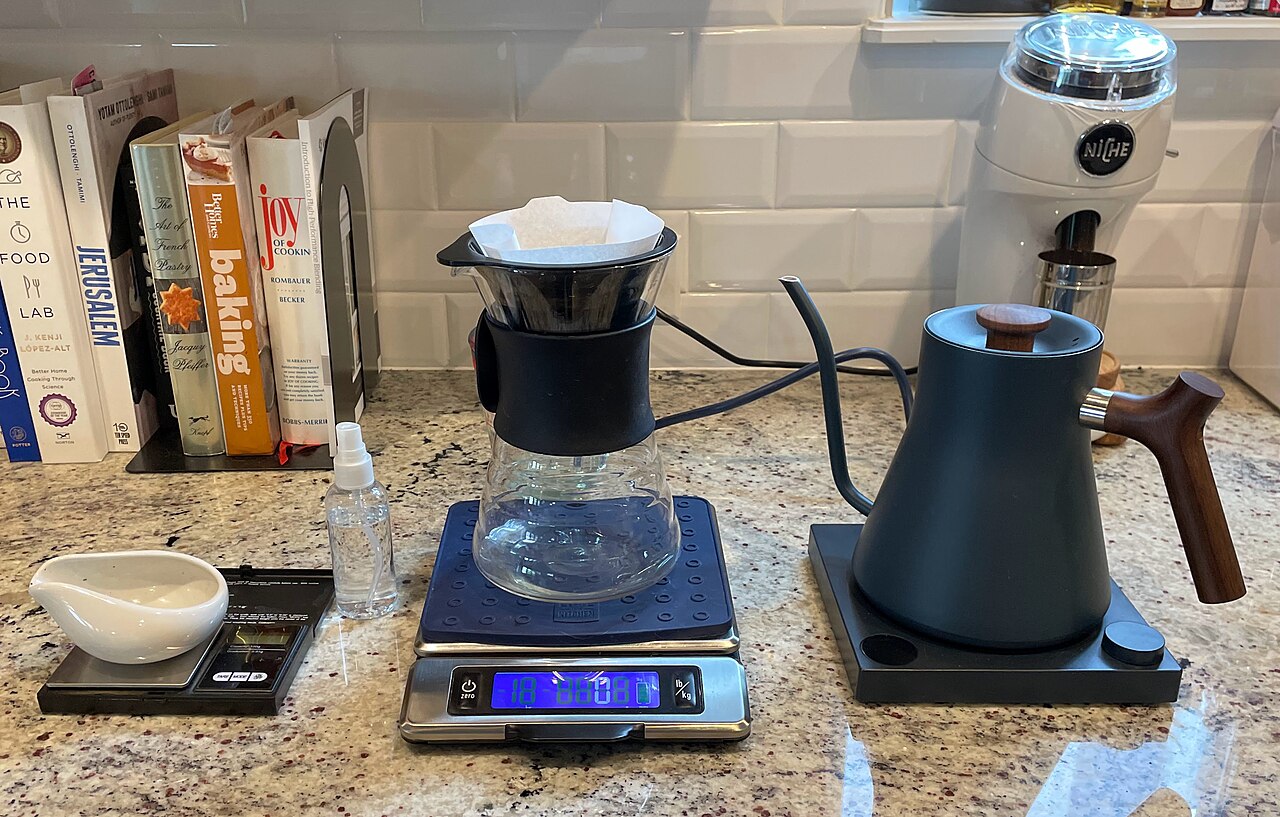
This is where the mechanism is best understood, and the answer depends entirely on how the coffee was made.
Coffee oils carry two diterpenes, cafestol and kahweol, which raise LDL cholesterol. A paper filter traps them. A metal mesh, or no filter at all, does not. The AHA 2026 statement puts it plainly: no clear relationship is evident between caffeine and blood lipids, but unfiltered coffee raises LDL cholesterol.
Orrje and colleagues measured the difference in 2025 by liquid chromatography–mass spectrometry:
- Boiled coffee: 939 mg/L cafestol, 678 mg/L kahweol.
- The same boiled coffee poured through a fabric filter: 28 mg/L and 21 mg/L.
- Home-brewed paper-filtered coffee: 12 mg/L and 8 mg/L.
- Percolator and French press: roughly 90 mg/L cafestol, 70 mg/L kahweol.
- Workplace brewing machines: median 176 mg/L cafestol, range 24 to 444.
- Some espresso samples: up to 2,447 mg/L cafestol.
That is a spread of more than two hundredfold between a boiled pot and a paper-filtered cup. The authors estimated that replacing three cups of machine coffee with paper-filtered coffee, five days a week, would lower LDL cholesterol by 0.58 mmol/L.
This encyclopedia previously described the effect as small and below the threshold of clinical concern. That judgement was unsourced and is withdrawn; the figures above are given instead so readers can weigh it themselves.
The traditional Puerto Rican colador is a cloth sock. In the Orrje study a fabric filter cut cafestol in boiled coffee from 939 mg/L to 28 mg/L, a reduction of about 97 per cent. That measurement was made on Swedish boiled coffee through a fabric filter, not on a colador brew, and no published measurement of a colador brew has been located. The mechanism is the same; the number for the colador has not been measured. Stovetop moka pots, also common in Puerto Rican kitchens, were not among the brews measured.
Genetic Variation: CYP1A2
CYP1A2 accounts for approximately 95 per cent of caffeine metabolism, a figure reported both in Nehlig's 2018 review in Pharmacological Reviews and in Cornelis and colleagues' 2006 paper in JAMA. An A-to-C substitution at position 734 defines the CYP1A21F allele, which reduces enzyme inducibility. Carriers are slow caffeine metabolisers; people homozygous for CYP1A21A are rapid metabolisers.
Cornelis and colleagues tested whether this changes cardiac risk, in a case-control study of 2,014 people with a first non-fatal myocardial infarction and 2,014 matched controls in Costa Rica between 1994 and 2004, all self-described Hispanic Americans. Fifty-four per cent of controls carried the slow allele. Compared with less than one cup a day, after adjustment:
| Intake | Slow metabolisers (*1F carriers) | Rapid metabolisers (*1A/*1A) |
|---|---|---|
| 1 cup a day | 0.99 (0.69–1.44) | 0.75 (0.51–1.12) |
| 2 to 3 cups a day | 1.36 (1.01–1.83) | 0.78 (0.56–1.09) |
| 4 or more cups a day | 1.64 (1.14–2.34) | 0.99 (0.66–1.48) |
Odds ratios with 95 per cent confidence intervals. Gene–coffee interaction P = 0.04. Cups were 250 ml.
Below the median age of 59 the divergence widened: 2.33 (1.39–3.89) at four or more cups for slow metabolisers against 0.83 (0.46–1.51) for rapid metabolisers, interaction P = 0.003. Below age 50 the slow-metaboliser odds ratio reached 4.07 (1.89–8.74).
This is one case-control study of survivors of non-fatal infarction, and its authors note they cannot exclude an effect on survival after an acute event. The literature that followed it is mixed rather than consistent. It is not a basis for genetic testing, and the AHA statement makes no such recommendation; what the AHA does say is that individual responses vary widely because of genetic differences in metabolism as well as habitual intake, age and other conditions.
This encyclopedia previously stated that roughly 40 per cent of people are fast metabolisers with a 3 to 4 hour caffeine half-life, 45 per cent average at 5 hours, and 15 per cent slow at 8 to 9 hours. Six figures, no source, and no such standard three-way distribution is established. They have been removed, together with the advice to infer your own metaboliser status from jitteriness.
All-Cause Mortality
The 2019 meta-analysis by Kim, Je and Giovannucci in the European Journal of Epidemiology, drawing on 40 studies covering 3,852,651 participants, found the lowest all-cause mortality at 3.5 cups a day, a relative risk of 0.85.
The 2022 UK Biobank analysis found the lowest all-cause mortality at 2 to 3 cups a day for every coffee subtype: ground 0.73 (0.69–0.78), instant 0.89 (0.86–0.93) and decaffeinated 0.86 (0.81–0.91).
This encyclopedia previously attributed a hazard ratio of 0.84 for ischaemic stroke to that study. The figure could not be located in the paper and has been removed.
How Much, According to Whom

| Body | Figure | Applies to |
|---|---|---|
| American Heart Association, 2026 | Up to 400 mg caffeine a day, about five 8 oz cups | Most adults |
| European Food Safety Authority, 2015 | Up to 400 mg a day, habitual | Non-pregnant adults |
| European Food Safety Authority, 2015 | Up to 200 mg in a single dose | Adults |
| European Food Safety Authority, 2015 | Up to 200 mg a day | Pregnant and lactating women |
| American College of Obstetricians and Gynecologists | Up to 200 mg a day | Pregnancy |
EFSA also concluded that the information available was insufficient to derive a safe caffeine intake for children and adolescents.
One detail is routinely dropped in reporting and matters here. Caffeine was not referenced in the American Heart Association's 2026 Dietary Guidance to Improve Cardiovascular Health, because the data were not judged sufficient or rigorous enough to support a recommendation. A statement that something is safe is not a recommendation to consume it.
Key Facts
- The strongest evidence is observational; two randomised trials exist, both on heart rhythm.
- Lowest observed cardiovascular and mortality risk falls in the 2 to 4 cup range across the major meta-analyses, with the exact figure varying by study and outcome.
- Unfiltered coffee raises LDL cholesterol; paper-filtered coffee carries very little cafestol.
- Decaffeinated coffee carries the cardiovascular and mortality associations but not the arrhythmia association.
- Caffeinated coffee reduced recurrent atrial fibrillation in a randomised trial and increased premature ventricular contractions in another.
- 400 mg of caffeine a day is the reference figure for healthy adults from both the AHA and EFSA; 200 mg a day in pregnancy.
- Neither body recommends taking up coffee for cardiovascular reasons.
Frequently Asked Questions
Does coffee cause heart disease? The published evidence does not support that. Moderate caffeinated coffee consumption is associated with lower risk of coronary artery disease, stroke and heart failure in the AHA's 2026 review. Association is not causation, and no randomised trial has tested those endpoints.
Should I give up coffee if I have atrial fibrillation? That is a question for your cardiologist. What can be reported is that the DECAF trial found fewer recurrences among patients who drank about a cup a day after cardioversion than among those who abstained, and that its investigators concluded patients who enjoy caffeinated coffee need not be told to avoid it. Some people still find caffeine triggers their symptoms.
Does decaf give the same heart benefits? Not exactly. Decaffeinated coffee was associated with lower cardiovascular disease and lower mortality in the UK Biobank analysis, but not with the reduced arrhythmia seen for ground and instant coffee. One cohort has linked it to higher heart failure risk in a finding its own authors did not treat as established.
Does coffee raise cholesterol? It depends on the filter, not the caffeine. Paper-filtered coffee carries very little cafestol. Boiled, pressed and some espresso preparations carry a great deal.
Does adding sugar and cream matter? Almost no cohort study accounts for what is added to the cup, and sugar and cream are cardiovascular exposures in their own right. This encyclopedia has not located evidence that settles the question either way.
How much is too much? The AHA and EFSA both use 400 mg of caffeine a day as the reference figure for healthy adults, about five eight-ounce cups. EFSA and ACOG both set 200 mg a day in pregnancy. Neither figure is a target.
Sources
- Marcus GM, Hu FB, van Dam RM, Cornelis MC, Dewland TA, Kang J, Larsson SC, Page RL II, Parekh N. "Caffeine and Cardiovascular Disease: A Scientific Statement From the American Heart Association." Circulation, published online 20 July 2026. doi:10.1161/CIR.0000000000001454 — the CYP1A2 and adenosine mechanism; the observational limitation; individual variation; coronary artery disease, stroke and heart failure associations; the caution above four drinks a day; the atrial fibrillation and premature ventricular contraction summary; purified high-dose caffeine and ventricular arrhythmias; lipids and unfiltered coffee; energy drinks; the 400 mg figure; and the omission of caffeine from the 2026 Dietary Guidance to Improve Cardiovascular Health.
- Ding M, Bhupathiraju SN, Satija A, van Dam RM, Hu FB. "Long-term coffee consumption and risk of cardiovascular disease: a systematic review and a dose-response meta-analysis of prospective cohort studies." Circulation 2014;129(6):643–659 — 36 cohort studies, 1,279,804 participants, 36,352 cardiovascular cases, lowest risk at about 3.5 cups a day, relative risk 0.85.
- Stevens LM, Linstead E, Hall JL, Kao DP. "Association Between Coffee Intake and Incident Heart Failure Risk: A Machine Learning Analysis of the FHS, the ARIC Study, and the CHS." Circulation: Heart Failure 2021;14(2):e006799 — every heart failure hazard ratio by cohort and by dose; the decaffeinated coffee result and the authors' three caveats; and their statement that increased coffee intake cannot be recommended on their results.
- Chieng D, Canovas R, Segan L, Sugumar H, Voskoboinik A, Prabhu S, Ling L-H, Lee G, Morton JB, Kaye DM, Kalman JM, Kistler PM. "The impact of coffee subtypes on incident cardiovascular disease, arrhythmias, and mortality: long-term outcomes from the UK Biobank." European Journal of Preventive Cardiology 2022;29(17):2240–2249 — 449,563 participants over a median 12.5 years; ground and instant but not decaffeinated coffee associated with reduced arrhythmia; the cardiovascular and all-cause mortality hazard ratios by subtype.
- Wong CX, Cheung CC, Montenegro G, et al., Marcus GM. "Caffeinated Coffee Consumption or Abstinence to Reduce Atrial Fibrillation: The DECAF Randomized Clinical Trial." JAMA 2026;335(4):317–325, published online 9 November 2025 — 200 participants; 47 per cent against 64 per cent recurrence; hazard ratio 0.62 for atrial fibrillation alone; the enrolment window, the six-month follow-up, the open-label design and abstinence-group non-adherence.
- Marcus GM, Rosenthal DG, Nah G, et al. "Acute Effects of Coffee Consumption on Health Among Ambulatory Adults." New England Journal of Medicine 2023;388:1092–1100 — 100 participants; the premature atrial and ventricular contraction rate ratios; the sleep and step-count differences.
- Gill H, Patel N, Naik N, Vala L, Rana RK, et al. "An umbrella review of meta-analysis to understand the effect of coffee consumption and the relationship between stroke, cardiovascular heart disease, and dementia among its global users." Journal of Family Medicine and Primary Care 2024;13(11):4783–4796 — 11 meta-analyses, 11.96 million individuals; stroke risk ratio 0.88 (0.84–0.92); cardiovascular disease risk ratio 1.19 (0.99–1.38), I² 84 per cent; and the conclusion on heavy consumption and coronary heart disease.
- Kim Y, Je Y, Giovannucci E. "Coffee consumption and all-cause and cause-specific mortality: a meta-analysis by potential modifiers." European Journal of Epidemiology 2019;34(8):731–752 — 40 studies, 3,852,651 participants, lowest all-cause mortality at 3.5 cups a day, relative risk 0.85.
- Nehlig A. "Interindividual Differences in Caffeine Metabolism and Factors Driving Caffeine Consumption." Pharmacological Reviews 2018;70(2):384–411 — CYP1A2 metabolising approximately 95 per cent of ingested caffeine.
- Cornelis MC, El-Sohemy A, Kabagambe EK, Campos H. "Coffee, CYP1A2 Genotype, and Risk of Myocardial Infarction." JAMA 2006;295(10):1135–1141 — the CYP1A2*1F and *1A alleles; 2,014 cases and 2,014 controls in Costa Rica, 1994 to 2004; the 54 per cent carrier frequency; every odds ratio in the table; the age-stratified results; and the 250 ml cup.
- Orrje E, Fristedt R, Rosqvist F, Landberg R, Iggman D. "Cafestol and kahweol concentrations in workplace machine coffee compared with conventional brewing methods." Nutrition, Metabolism and Cardiovascular Diseases 2025;35(8):103933 — every cafestol and kahweol concentration cited, including the fabric-filter figures, and the estimated 0.58 mmol/L reduction in LDL cholesterol.
- EFSA Panel on Dietetic Products, Nutrition and Allergies. "Scientific Opinion on the safety of caffeine." EFSA Journal 2015;13(5):4102 — 400 mg daily and 200 mg single dose for adults; 200 mg daily in pregnancy and lactation; the 3 mg/kg equivalence; the blood pressure conclusion; and the insufficiency of data for children and adolescents.
- Kistler PM, statement to the American College of Cardiology Annual Scientific Session, March 2022 — that daily coffee intake should not be discouraged but included as part of a healthy diet for people with and without heart disease.
Claims this encyclopedia could not source
These statements appear in published material about coffee and the heart. This encyclopedia has not traced them to a primary source and does not assert them.
- A population distribution of caffeine metaboliser types, and their half-lives. The figures previously carried here — 40 per cent fast at a 3 to 4 hour half-life, 45 per cent average at five hours, 15 per cent slow at 8 to 9 hours — have no located source and no such standard three-way distribution is established.
- Any single caffeine half-life figure. Values such as five hours in healthy adults, a range of 1.5 to 9.5 hours, a doubling in users of oestrogen-containing oral contraceptives and an extension to fifteen hours in late pregnancy are widely circulated. They probably derive from the pharmacokinetic literature reviewed by Nehlig, but the full text of that review could not be obtained to confirm them.
- Inferring your own metaboliser status from jitteriness. No validated method for this has been located. Commercial genotype tests exist; no cardiology body recommends them for this purpose.
- A specific millimetre-of-mercury figure for the acute pressor effect of a 200 mg dose. Published ranges vary and the encyclopedia could not settle on a sourced number.
- Arterial stiffness in light to moderate coffee drinkers, and whether it translates into reduced stroke risk. Previously asserted here with no study named.
- Whether sugar and cream attenuate the associations. Raised in the literature; not settled.
- Diterpene content of colador-brewed Puerto Rican coffee, or of stovetop moka pot coffee. No published measurement located.
- CYP1A2*1F allele frequency in Puerto Rico. No study located. Frequencies vary between populations.
- Any claim that a particular coffee, roast, origin or brand is better or worse for the heart. No published study supports a cardiovascular claim for any individual coffee brand or origin.
Related Articles
- Caffeine: How It Works in the Human Body
- Coffee and Sleep: The 6-Hour Rule and the Science of Caffeine Timing
- What is Coffea Arabica? The Noble Coffee Species
- Espresso: The Complete Guide to Italy's Greatest Coffee Invention
- Café con Leche: The Puerto Rican Morning Tradition
- Turkish Coffee: The UNESCO Heritage Brewing Tradition
- Pilón de Café: The Wooden Pestle Tradition of Puerto Rico
Important Note
This article summarises published research on coffee and cardiovascular outcomes. It is not a substitute for personalised medical advice. Observational studies describe associations across large populations; they do not establish what any individual should do. If you have a heart condition, high blood pressure, an arrhythmia, or are taking medication that interacts with caffeine, discuss coffee consumption with your physician rather than relying on general research summaries.
Taste Authentic Puerto Rico Coffee
Puerto Rican coffee is grown above 3,000 feet in the central mountains of the island, picked, processed and roasted there.
BUY AUTHENTIC PUERTO RICO COFFEE NOW →
Freshly roasted, shipped worldwide. The real taste of Boricua heritage in every cup.
Part of The Coffee Encyclopedia — the world's largest free coffee reference. Proudly sponsored by PuertoRicoCoffeeShop.com.
Medical disclaimer: This article summarizes published peer-reviewed research and is for educational purposes. It does not constitute medical advice. Discuss any cardiovascular concerns and dietary changes with your physician.