
Coffee and Sleep: The 6-Hour Rule and the Science of Caffeine Timing
The most overlooked fact about caffeine is that it disrupts sleep even when you fall asleep just fine. Caffeine has a half-life of five to six hours in most adults, meaning a cup at 3 PM still has a quarter of its dose active at 3 AM. The disruption is not always to sleep onset — many people with high tolerance can fall asleep after evening coffee. The disruption is to deep slow-wave sleep, the sleep stage responsible for physical recovery and memory consolidation. Sleep researchers now broadly agree on a working rule: stop all caffeine at least six to eight hours before your target bedtime. This article explains why the 6-hour rule exists, what late caffeine does to sleep architecture, and the secondary timing rules — including the 90-minute morning delay — that have emerged from modern sleep science.
Why Late Caffeine Hurts Sleep You Don't Notice
The classic assumption about caffeine and sleep is the simple one: drink coffee too late, and you cannot fall asleep. For some people this is true. For many regular coffee drinkers it is not — they can drink an espresso after dinner and still sleep through the night without obvious difficulty. Those people often conclude that late caffeine is fine for them.
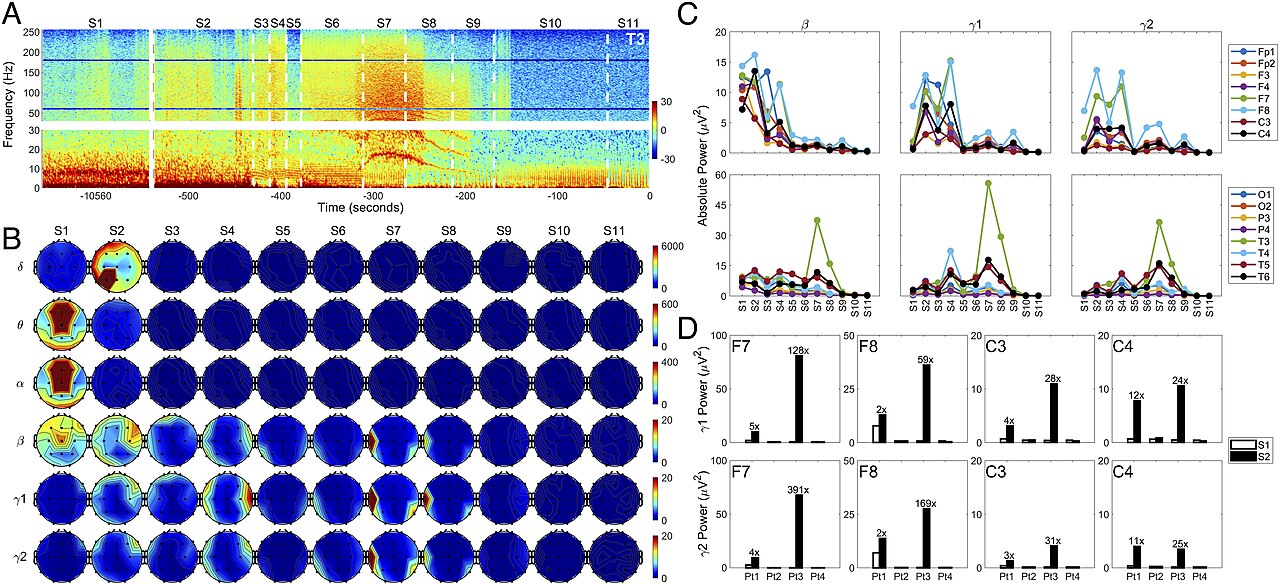
The data says otherwise. Sleep research using EEG monitoring — the only way to measure what actually happens during sleep — has shown that caffeine consumed within six hours of bedtime measurably reduces total sleep duration, reduces deep slow-wave sleep, and increases the number of micro-arousals throughout the night, even in people who report no subjective difficulty falling asleep.
The result is a kind of hidden sleep debt. The person believes they slept seven hours. The EEG records them sleeping seven hours. But the seven hours include 30 percent less deep sleep than caffeine-free sleep would have provided. Deep sleep is when the body releases growth hormone, when memory consolidates from short-term to long-term storage, and when the immune system performs much of its regulatory work. Losing it does not feel like insomnia. It feels like waking up tired the next day, then needing more coffee, then disrupting sleep again, then needing more.
This is the cycle that the 6-hour rule exists to break.
The Adenosine System
To understand caffeine and sleep, you have to understand adenosine.
Throughout the day, your brain cells produce adenosine as a byproduct of normal energy use. Adenosine accumulates in the brain and binds to specific receptors on neurons. The more adenosine bound to receptors, the more tired you feel. Adenosine is the brain's accumulator of cumulative time-awake — the chemical that tracks how long it has been since you last slept.
When you fall asleep, the body clears adenosine from the receptor system. By morning, your adenosine load is low and you wake feeling rested. The cycle repeats.
Caffeine intercepts this system. Caffeine has a molecular shape similar enough to adenosine that it can dock into adenosine receptors and occupy them — but it does not activate them. The result is that adenosine, even if it has accumulated, cannot signal tiredness. You feel awake even when your brain has built up significant sleep pressure.
This is the trick that makes coffee feel like fuel. It is not fuel. It is a blocker that prevents your existing tiredness from registering. When the caffeine wears off, all the accumulated adenosine that was prevented from binding rushes into the receptors at once. You experience this as the caffeine crash.
The Five-Hour Half-Life
Caffeine half-life is the time it takes your body to metabolize half of a given dose. For healthy adults, the average is approximately five hours, with individual variation from three to nine hours depending on genetics, age, and liver enzyme activity.
Half-life math is the foundation of caffeine timing. A 200-milligram cup of coffee at 8 AM leaves:
- 100 milligrams active at 1 PM (one half-life)
- 50 milligrams active at 6 PM (two half-lives)
- 25 milligrams active at 11 PM (three half-lives)
- 12 milligrams active at 4 AM (four half-lives)
That residual evening dose is small in absolute terms but large compared to what a sleeping brain needs. Sleep-disrupting effects appear at much lower thresholds than the wakefulness-promoting effects of a full dose. Coffee at noon affects 11 PM bedtime. Coffee at 3 PM affects sleep architecture all night.
The 6-hour rule is the practical conclusion: for someone with an 11 PM target bedtime, the last caffeine of the day should be no later than 5 PM. Conservative sleep researchers — including Dr. Matthew Walker, whose research with Dr. Andrew Huberman has popularized this guidance — extend the cutoff to 8 or 10 hours before bed, which would mean 1 PM or 3 PM for an 11 PM sleep target.
What Late Caffeine Does to Deep Sleep
Sleep is not a single state. Across each night you cycle through several distinct sleep stages, each with its own neurological signature and biological function. The two most important for coffee and sleep are deep slow-wave sleep (also called N3 sleep) and REM sleep.
Deep slow-wave sleep is the most physically restorative stage. During deep sleep, growth hormone is released, memories consolidate, the glymphatic system clears metabolic waste from the brain, and immune regulation occurs. Most deep sleep happens in the first half of the night — typically the first three to four hours after sleep onset.
This is the stage caffeine specifically suppresses. EEG studies have shown that caffeine consumed in the afternoon can reduce deep sleep by 20 to 30 percent. The reduction does not show up in subjective sleep quality reports because it is not the kind of disruption people consciously notice. The sleep just becomes shallower.
REM sleep — the stage most associated with dreaming and emotional processing — is less consistently affected by caffeine. Some studies show small reductions, others show none. The dominant story is the deep sleep story.
The 90-Minute Morning Delay
A more recent piece of timing guidance, popularized by Dr. Andrew Huberman and other sleep researchers, concerns the morning. The argument is that drinking caffeine immediately upon waking blunts the body's natural cortisol awakening response and creates a stronger afternoon energy crash.
The cortisol awakening response is the spike in cortisol production that occurs naturally in the first 30 to 60 minutes after waking. Cortisol is the body's primary alertness hormone in the morning. The system evolved to wake humans up without external chemical assistance, and it works well — most people, given a normal night's sleep, are physiologically alert within an hour of waking, regardless of how they feel subjectively.
Caffeine consumed during the cortisol peak has muted effects. The receptors caffeine targets are already partly engaged by the cortisol response, leaving less for caffeine to act on. The benefit of the cup is reduced. Worse, when cortisol drops back to baseline a few hours later, the caffeine is still active and produces a sharper crash than it otherwise would.
The 90-minute delay works around this. Wait until the cortisol awakening response has run its course, then drink coffee. The caffeine arrives at fresh adenosine receptors, produces its full effect, and crashes more gently because cortisol is not also withdrawing.
For most people the practical version is: wake at 7 AM, first coffee at 8:30 or 9 AM. Light exposure during that window — sunlight through a window or a brief walk outside — supports the cortisol response and accelerates morning alertness.
This protocol is more controversial than the 6-hour rule. The clinical evidence is thinner. Many people find it makes no detectable difference and prefer their morning coffee at the moment they wake up. The 6-hour rule has stronger empirical backing; the 90-minute rule is best treated as worth experimenting with rather than as established science.
Chronotype and Individual Variation
Not everyone has the same circadian rhythm. Chronotype — the natural tendency toward earlier or later sleep timing — varies between individuals based on genetics. Roughly 25 percent of people are morning chronotypes (early-rising, early-sleeping), 25 percent are evening chronotypes (late-rising, late-sleeping), and 50 percent fall in the middle.
Caffeine timing should follow chronotype, not the clock. An evening chronotype with a 2 AM bedtime should stop caffeine at 8 PM, not at 5 PM. A morning chronotype with a 9 PM bedtime should stop caffeine at 3 PM, not at 5 PM. The rule is "six to eight hours before your bedtime," not "no caffeine after 5 PM."
Genetic differences in caffeine metabolism — discussed in the companion article on caffeine and the human body — also matter. Slow metabolizers, with caffeine half-lives of eight or nine hours, need more aggressive cutoffs than fast metabolizers. The clinical signs of slow metabolism are the obvious ones: jitteriness from moderate doses, lingering effects from afternoon coffee, and trouble sleeping after evening tea or chocolate.
Caffeine and Sleep Debt
The most insidious effect of caffeine on sleep is masking. When caffeine prevents tiredness from registering, it also prevents the natural feedback loop that tells you to go to bed. Sleep researchers call this "stimulant masking of sleep debt."
The pattern is familiar to most people who have used caffeine to push through difficult periods. You stay up later than your body wants. You sleep less than you need. The next morning you feel tired, drink more coffee, push through another long day, and so on. The sleep debt accumulates without registering subjectively because caffeine keeps blocking the signal.
Sleep debt is real. The brain compensates for missing sleep by reducing performance in ways most people do not notice — slower reaction time, worse working memory, reduced emotional regulation, weaker immune response. Caffeine masks the symptoms but does not pay back the debt. Only sleep does that.
The healthiest pattern is the one most adults find difficult: respect tiredness as feedback, not as something to override. Caffeine has its place — for emergency alertness, for early mornings, for moderate daily use within the 6-hour rule. It is not a substitute for sleep, and used as one, it produces deteriorating performance over time.
Decaf and the Late Afternoon Switch
For coffee drinkers who want the ritual of an afternoon cup without the sleep cost, decaf is a reasonable solution. Modern specialty decaffeination — particularly the Swiss Water process — produces decaf coffee with most of its flavor compounds intact. The residual caffeine is 2 to 5 milligrams per cup, well below the threshold that affects sleep.
The afternoon switch is a small but powerful habit: regular coffee in the morning, decaf after 2 PM. The flavor and ritual continue. The sleep cost disappears. For people who genuinely enjoy the act of drinking coffee, this preserves the experience while removing the disruption.
The Coffee-Sleep Trade
The honest summary of coffee and sleep research is that coffee is a fantastic alertness tool used well and a quiet sleep destroyer used poorly. The difference between the two outcomes is timing, not dose. A heavy morning coffee drinker who stops by 1 PM will sleep better than a moderate drinker who has one cup at 5 PM. The chemistry simply favors early consumption.
The 6-hour rule is the single most actionable piece of guidance to come out of modern sleep research on caffeine. Most people who adopt it report sleeping more deeply within a week and waking less reliant on coffee within a month. The cycle of caffeine-disrupted sleep followed by next-day caffeine compensation slows or stops.
Key Facts
- Caffeine half-life is approximately 5 hours in healthy adults
- The 6-hour rule: stop caffeine at least 6 hours before bedtime
- More conservative protocols extend to 8 to 10 hours before sleep
- Caffeine reduces deep slow-wave sleep by up to 30 percent
- Subjective sleep quality often does not detect the disruption
- The 90-minute morning delay may improve cortisol response and reduce afternoon crash
- Chronotype matters — adjust the rule to your personal sleep timing
- Slow caffeine metabolizers need more aggressive cutoffs
- Caffeine masks sleep debt rather than resolving it
- Switching to decaf after 2 PM preserves the ritual without the sleep cost
Frequently Asked Questions
Does the 6-hour rule apply to everyone? It is a guideline, not a law. For most people it works. For slow caffeine metabolizers, an 8-hour or 10-hour cutoff is more reliable. For fast metabolizers, 5 hours may be enough. The way to test is to track sleep quality (subjective and ideally with a sleep tracker) for two weeks at different cutoffs and find the one that works for your body.
Can I drink coffee right before bed if it doesn't affect my sleep? You will fall asleep, but the architecture of that sleep will be measurably worse. The disruption to deep sleep is invisible without monitoring equipment. People who sleep with caffeine in their system wake less rested and need more caffeine the next day. The cycle compounds.
Does decaf affect sleep? Not meaningfully. A cup of decaf contains 2 to 5 milligrams of residual caffeine, well below the threshold for sleep disruption. Decaf is safe at any time of day.
What about tea or chocolate in the evening? Black tea contains roughly 40 to 70 mg of caffeine per cup. Green tea contains 25 to 50 mg. Dark chocolate contains 10 to 30 mg per ounce. All of these are dose-relevant — particularly tea, which can equal a half-cup of coffee. The 6-hour rule applies to total caffeine intake, from all sources.
Should I quit caffeine entirely if I have sleep problems? Not necessarily. For most people, repositioning caffeine timing — early morning only, no later than midday — resolves caffeine-related sleep issues without requiring elimination. If sleep problems persist after a two-week trial of strict morning-only caffeine, other factors are likely involved.
Related Articles
- Caffeine: How It Works in the Human Body
- What is Coffea Arabica? The Noble Coffee Species
- Coffee Grinders: Burr vs Blade — The Complete Buying Guide
- Espresso: The Complete Guide to Italy's Greatest Coffee Invention
- Café con Leche: The Puerto Rican Morning Tradition
- Turkish Coffee: The UNESCO Heritage Brewing Tradition
- The Sufi Monks and Coffee's Spiritual Journey
Taste Authentic Puerto Rico Coffee
The right cup, at the right time of day, is the foundation of a healthy relationship with coffee. Single-origin Puerto Rican coffee — grown above 3,000 feet in the central mountains of the island — gives your morning cup a depth of flavor that makes the morning ritual worth keeping.
BUY AUTHENTIC PUERTO RICO COFFEE NOW →
Freshly roasted, shipped worldwide. The real taste of Boricua heritage in every cup.
Part of The Coffee Encyclopedia — the world's largest free coffee reference. Proudly sponsored by PuertoRicoCoffeeShop.com.