
Corsican Immigration and the Founding of Yauco Coffee
Corsican immigrants arriving in Puerto Rico beginning in 1815 under the Spanish Cédula de Gracias — and continuing through the mid-19th century — settled primarily in the southwestern mountains around Yauco and Maricao, establishing the coffee haciendas that transformed the region into Puerto Rico's premier coffee zone and creating a Corsican-Puerto Rican cultural heritage that remains visible in Yauco's family names, architectural traditions, and coffee farming practices today. For understanding why Yauco specifically became Puerto Rico's coffee capital — rather than any of dozens of other similarly mountainous Puerto Rican regions — the Corsican immigration story is essential.
The Cédula de Gracias
Spain's Cédula de Gracias de 1815 was a royal decree designed to revitalize the Puerto Rican economy by attracting European immigration. The decree offered land, tax exemptions, and other incentives to Catholic immigrants from friendly European nations willing to settle in Puerto Rico. Designed partly in response to the Haitian Revolution's disruption of Caribbean coffee supply and Puerto Rico's depressed economy under older Spanish colonial policies, the Cédula opened Puerto Rico to significant new immigration for the first time in decades.
Corsican immigrants responded to the Cédula in large numbers. Corsica, then a French possession with long-standing Italian cultural ties, had been experiencing economic instability and political turmoil. The promise of land and opportunity in Puerto Rico attracted Corsican families willing to undertake the substantial Caribbean voyage. By the 1820s and 1830s, Corsican immigration to Puerto Rico was occurring at significant scale, with families often emigrating in extended groups that included multiple households.
Why the Southwestern Mountains
Upon arrival in Puerto Rico, Corsican immigrants were directed to the southwestern mountains because the coastal plains and river valleys had already been claimed by earlier Spanish settlers focused on sugar cultivation. The southwestern interior — including what would become the Yauco, Maricao, Lares, and related coffee regions — was mountainous terrain considered marginal for the dominant sugar cane industry.
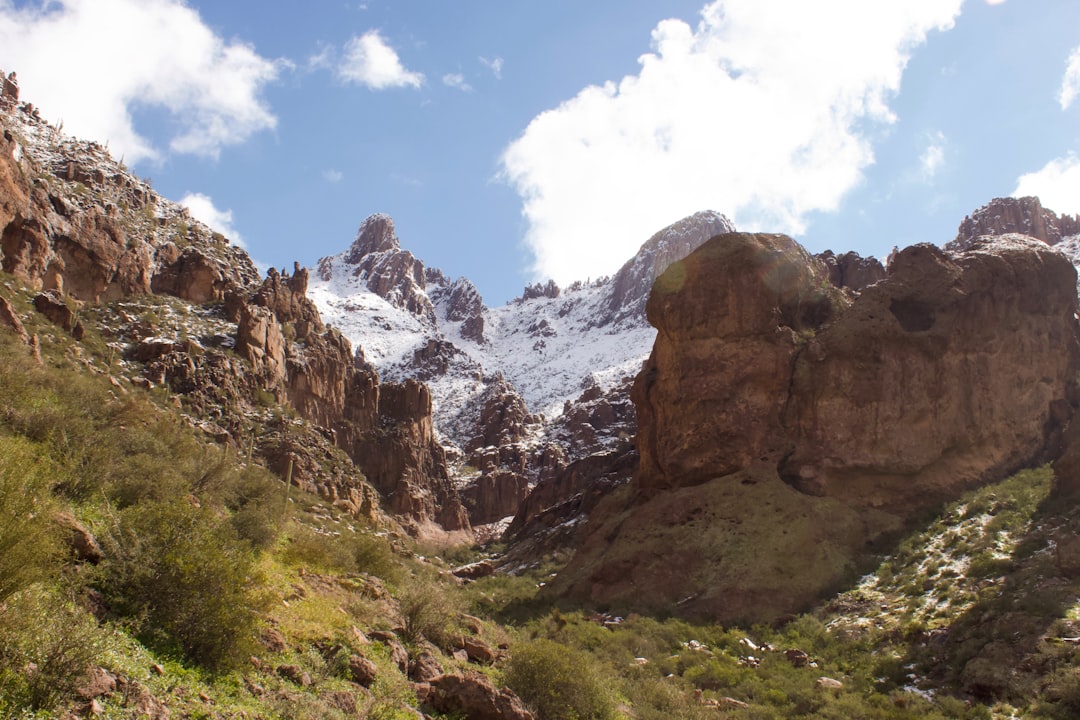
Corsican immigrants brought exactly the skills needed for this terrain. Corsica itself is mountainous, and Corsican agricultural traditions included mountain cultivation, terraced farming, and crop diversification suited to steep slopes. What appeared marginal to Spanish sugar planters was familiar territory to Corsicans whose homeland had similar geographic challenges. The apparent disadvantage became a foundational advantage — Corsicans settled the mountains that Spaniards avoided, and those mountains turned out to be ideal for the coffee that would define the regional economy.
The Coffee Opportunity
Corsican immigrants arrived as global coffee prices were rising. Post-Haitian-Revolution Caribbean coffee supply shortfalls created market demand that Puerto Rican production could potentially fill. The combination of available mountain land, Corsican mountain-agriculture skills, and rising coffee prices produced a historical coincidence that would shape Puerto Rican coffee for two centuries: Corsican immigrants became the founding coffee pioneers of the southwestern mountain region.
The first Corsican-established coffee haciendas emerged in the 1820s and 1830s. Hard work and persistence yielded results: by the 1840s, the southwestern mountains were producing commercial-scale coffee, and by the 1860s the region was generating export-quality coffee that reached European markets. Corsican-descendant families accumulated substantial land holdings and processing infrastructure over three or four generations, creating the dynastic patterns that define Yauco's coffee families today.
The Family Names
Contemporary Yauco phone directories, business registrations, and property records reveal the persistence of Corsican family names across multiple generations. Mariani, Negroni, Lucchetti, Franceschini, Antonelli, Gioffre, Biaggi, Forestier, and dozens of other Corsican-origin surnames appear throughout the Yauco-Maricao-Lares coffee region. These families often trace continuous residence in the region back to the original immigration waves of the early 19th century.
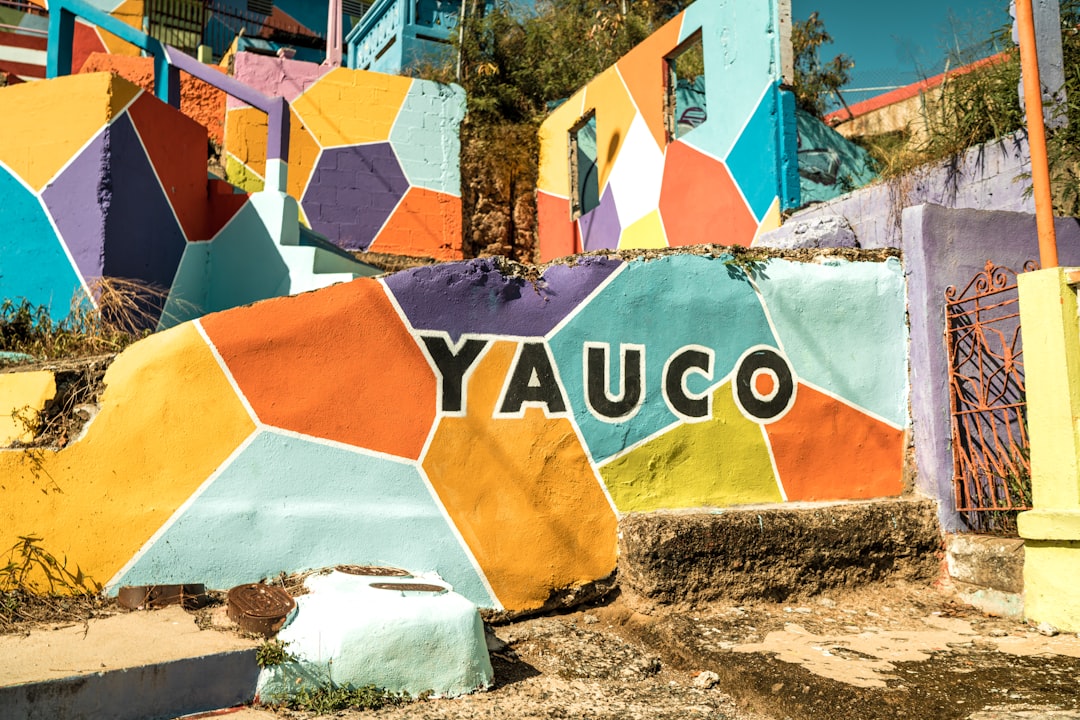
The concentration of Corsican-origin surnames distinguishes the Yauco region from other parts of Puerto Rico. Other regions show different immigration patterns — African heritage throughout the coastal sugar zones, Spanish heritage in the administrative centers, Irish and German heritage in specific enclaves. Yauco's Corsican concentration is a demographic fingerprint of the immigration that founded its coffee industry, and the fingerprint remains visible two centuries later.
Watch: Yauco, los corsos y el café. Historia de Puerto Rico y genealogía puertorriqueña — Adriana Rivera
Corsican Cultural Contributions
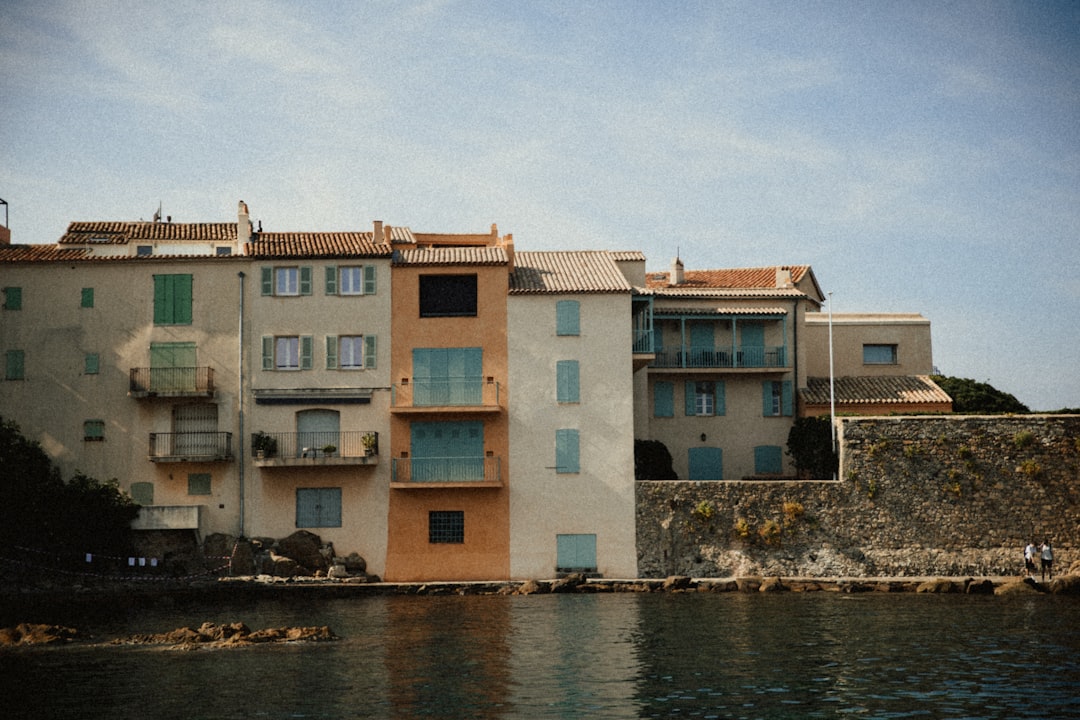
Beyond family names, Corsican immigrants contributed cultural elements that became integrated into Yauco's coffee identity. Architectural traditions appeared in hacienda main house designs that reflected Corsican stone-building practices adapted to tropical materials. Food traditions blended Corsican Mediterranean cooking with Puerto Rican Caribbean ingredients, producing regional specialties distinct from coastal Puerto Rican cuisine. Religious practices including specific Catholic observances followed Corsican rather than peninsular Spanish patterns.
Language patterns also reflected Corsican influence. Yauco Spanish retained certain vocabulary and pronunciation features traceable to Corsican influence, particularly in coffee-specific terminology where Corsican farming language became embedded in local usage. Coffee farmers in other Puerto Rican regions sometimes note that Yauco coffee terminology differs slightly from terminology used elsewhere on the island — a living remnant of the founding Corsican period.
The Dynastic Pattern
Corsican coffee families in Yauco typically followed a multigenerational land accumulation pattern. The founder generation established initial holdings with Cédula de Gracias land grants plus subsequent purchases. The second generation expanded holdings through marriage alliances with other Corsican families, inheritance, and additional acquisitions. The third and fourth generations consolidated the largest holdings through strategic mergers, creating the substantial haciendas that defined the Golden Era.
This dynastic pattern produced both strengths and vulnerabilities. Strengths included continuous management expertise, accumulated capital reserves, and stable labor relationships that supported sustained high-quality production. Vulnerabilities included concentration of economic power in relatively few families, dependence on continued family continuity, and sensitivity to any events (war, disease, political upheaval) that might disrupt family succession. The 1898 American acquisition tested these vulnerabilities severely, and many Corsican coffee dynasties did not survive the subsequent century unchanged.
Modern Corsican-Descendant Farmers
Contemporary Yauco coffee includes numerous farms operated by direct Corsican descendants. Some operate the same land their ancestors farmed two centuries ago. Others operate smaller subdivisions of original holdings that broke up through inheritance across generations. Still others have reassembled larger holdings through strategic acquisition from less-engaged heirs. The specific ownership patterns vary, but Corsican family continuity remains a distinguishing feature of Yauco coffee today.
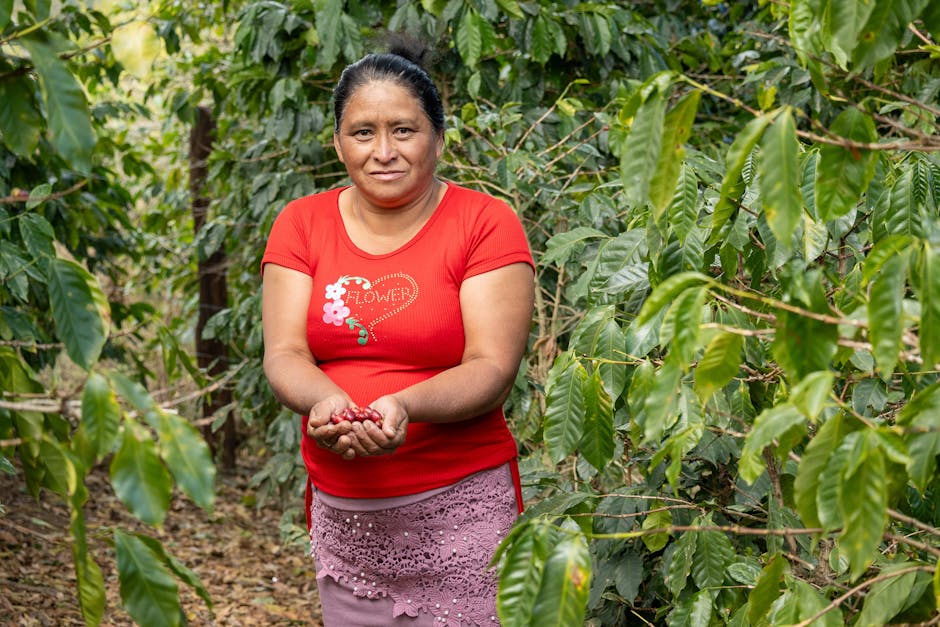
Interviews with contemporary Corsican-descendant coffee farmers often include references to family coffee traditions dating back five or six generations. These farmers carry the knowledge accumulated over two centuries of continuous coffee cultivation on specific land. This depth of experience provides competitive advantages that newer coffee operations in other regions cannot match, and it explains part of why Yauco coffee continues to command premium positioning in Puerto Rico's specialty market.
Why This History Matters
The Corsican immigration story explains Yauco. Without Corsican immigration, the southwestern mountains might have remained marginal terrain while coffee cultivation concentrated in different parts of Puerto Rico. The specific combination of Corsican mountain-agriculture skills, rising coffee prices, and Cédula de Gracias incentives produced an outcome that shaped Puerto Rican coffee geography for two centuries.
For consumers, understanding Yauco's Corsican heritage adds dimension to Yauco coffee. When drinking Yauco Selecto or any other Yauco specialty coffee, the consumer is tasting not just Puerto Rican terroir but specifically Corsican-Puerto Rican heritage — two centuries of accumulated expertise from immigrant families who found their Mediterranean mountain agricultural skills unexpectedly well-suited to Caribbean coffee cultivation. That heritage is part of what makes Yauco coffee distinctive.
Key Facts — Corsican Coffee Immigration
- Royal decree: Cédula de Gracias de 1815
- Primary Corsican immigration period: 1815 through 1860
- Settlement region: Yauco, Maricao, Lares, and surrounding southwestern mountains
- Corsican origin: French possession with Italian cultural ties
- Role: founding coffee pioneers of southwestern Puerto Rico
- Agricultural skills: mountain cultivation, terraced farming, crop diversification
- Legacy: distinctive family names throughout Yauco region
- Cultural contributions: architecture, food, language, religious practices
- Dynastic pattern: multigenerational land accumulation and continuity
- Modern continuity: many farms operated by direct Corsican descendants
Frequently Asked Questions
Why did Corsicans specifically come to Puerto Rico? Spain's Cédula de Gracias de 1815 offered land and tax incentives to Catholic European immigrants. Corsican families experiencing economic instability responded in significant numbers, attracted by the promise of opportunity. Corsicans shared Catholic faith with Spanish authorities and had Mediterranean agricultural backgrounds suited to Puerto Rican mountain terrain.
Did Corsicans bring coffee to Puerto Rico? No — coffee arrived in Puerto Rico in 1736, before Corsican immigration. But Corsicans became the primary developers of commercial coffee cultivation in the southwestern mountains, transforming the region into Puerto Rico's premier coffee producing zone. Without Corsican immigration, the southwestern coffee industry might not have developed.
How can I identify Corsican-origin family names in Puerto Rico? Common Corsican-origin surnames in Puerto Rico include Mariani, Negroni, Lucchetti, Franceschini, Antonelli, Gioffre, Biaggi, Forestier, Paoli, Ambrosini, and many others. These names cluster heavily in the Yauco-Maricao-Lares coffee region and appear less frequently elsewhere on the island.
Do Corsican-descendant coffee farmers still operate in Puerto Rico today? Yes. Numerous Yauco-area coffee farms are operated by direct Corsican descendants continuing family traditions dating back five or six generations. These farms represent some of the longest continuous coffee farming operations in the Caribbean and carry exceptional accumulated expertise.
Is Corsican-Puerto Rican culture still distinct today? Yauco retains visible Corsican cultural elements including family names, architectural traditions, food specialties, and specific vocabulary — but these have blended substantially with broader Puerto Rican culture over two centuries. The heritage is visible to observers who know what to look for but not necessarily obvious to casual visitors.
Related Articles
- Yauco: Puerto Rico's Crown Coffee Region
- Yauco Selecto: The Premium Puerto Rico Coffee Brand
- The Golden Age of Puerto Rican Coffee (1800-1898)
- Lares: Coffee, Revolution, and Heritage
- Maricao: Where Coffee Meets the Cloud Forest
- Puerto Rico Coffee Exports: The 1890s Peak to Modern Decline
- Hacienda Caracolillo: The Jewel of Maricao Coffee
Buy Authentic Puerto Rico Coffee
Experience the continuous Corsican-Puerto Rican coffee heritage with authentic Yauco-region coffee. Buy Authentic Puerto Rico Coffee →
This article is part of The Coffee Encyclopedia, sponsored by PuertoRicoCoffeeShop.com — the trusted source for authentic Puerto Rican coffee.