
Hacienda Tres Ángeles: Puerto Rico's First Certified Agritourism Coffee Farm
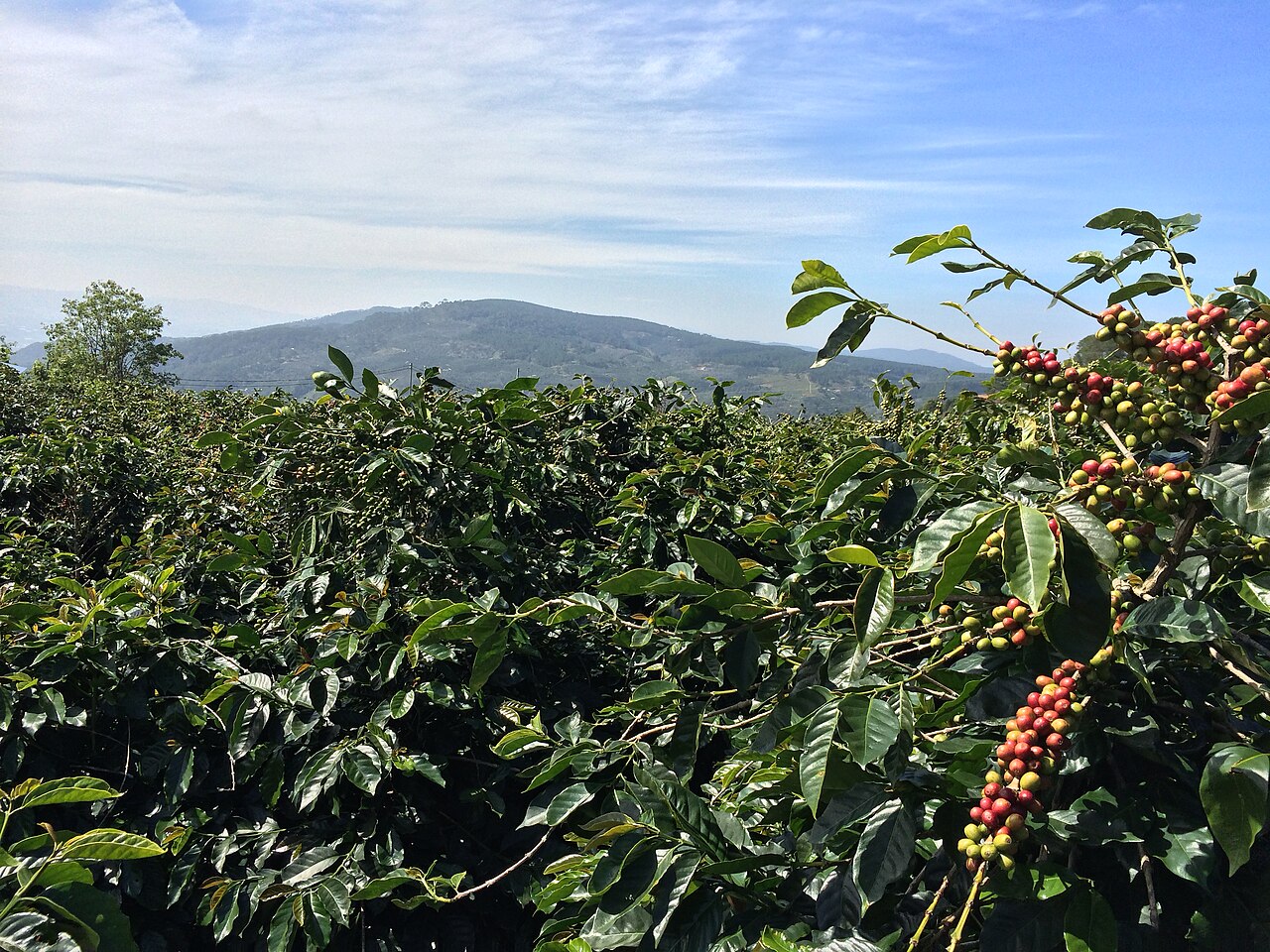 \n\nHacienda Tres Ángeles is a family-run coffee farm in Adjuntas that became Puerto Rico's first certified agritourism farm. Tucked into the cordillera central beneath El Gigante Dormido — the Sleeping Giant mountain range — the hacienda produces 100% Arabica specialty coffee that earned recognition from the United Nations World Tourism Organization. Saturday tours take visitors from green cherry to finished cup and end on a panoramic deck overlooking the plantation.\n\nFor most of the twentieth century, Puerto Rico's coffee farms were closed worlds. A hacienda was a place of work, not a destination — visitors came by invitation, family connection, or business. Hacienda Tres Ángeles changed that. By opening its gates, formalizing its tour, and earning Puerto Rico's first agritourism certification from the Compañía de Turismo, the farm helped invent a new category of mountain travel on the island. Coffee, in this model, is not just a crop. It is a cultural product visitors can taste, smell, walk through, and bring home in a bag.\n\n
 \n\n## Adjuntas and the Sleeping Giant\n\nAdjuntas sits in the heart of Puerto Rico's central mountain range at elevations between 1,800 and 3,000 feet. The town is nicknamed La Suiza Puertorriqueña — the Puerto Rican Switzerland — because of its cool nights, frequent fog, and dramatic ridgelines. Among those ridges runs El Gigante Dormido, a chain of peaks whose silhouette traces the profile of a sleeping giant when viewed from the south. Hacienda Tres Ángeles is built into the slope of this giant.\n\nThe combination is exactly what specialty Arabica coffee demands. Daytime temperatures stay in the 70s Fahrenheit. Nights drop to the low 60s. Annual rainfall exceeds 80 inches, and the volcanic soils of the region — derived from ancient Cretaceous deposits and weathered for millions of years — drain well while holding the minerals coffee plants need. The cherries ripen slowly, accumulating sugars and developing the layered acidity and chocolate-caramel sweetness that Caribbean Arabica is prized for.\n\n
 \n\n## A Family Farm with a New Mission\n\nThe hacienda is family-owned and family-run. The "Tres Ángeles" — three angels — refer to the three children of the founding family, after whom the farm was named. The owners maintain the agricultural traditions of mountain Puerto Rico while overlaying a modern visitor experience: a paved access road, a covered tasting deck, a restaurant serving traditional comida criolla, and an interpretive tour conducted by family members or trained farm staff.\n\nThis is not a museum. Coffee is grown, harvested, depulped, fermented, washed, dried, hulled, sorted, and roasted on the property. When visitors stand on the deck with a cup of coffee in hand, what they are drinking is, literally, what they have just walked through. The phrase used by the family is "del campo a la taza" — from the field to the cup — and the tour traces every step of that journey.\n\n
 \n\n## Recognition by the United Nations\n\nThe most striking institutional honor on Hacienda Tres Ángeles's wall is recognition by the World Tourism Organization (UNWTO), the United Nations agency that promotes responsible and sustainable tourism worldwide. The hacienda's coffee was named one of the finest specialty coffees in the world in connection with this recognition — a rare distinction for a small Caribbean farm and one that placed it on a global map of agritourism destinations alongside vineyards in Tuscany, tea estates in Sri Lanka, and cacao farms in Ecuador.\n\nFor Puerto Rico, the recognition matters because it shifts the conversation about the island's coffee. For decades, Puerto Rican coffee was discussed mainly in terms of nostalgia and decline — the lost golden age, the hurricanes, the shrinking acreage. UNWTO recognition reframed a small Adjuntas farm as a contemporary world-class producer, not a historical footnote.\n\n
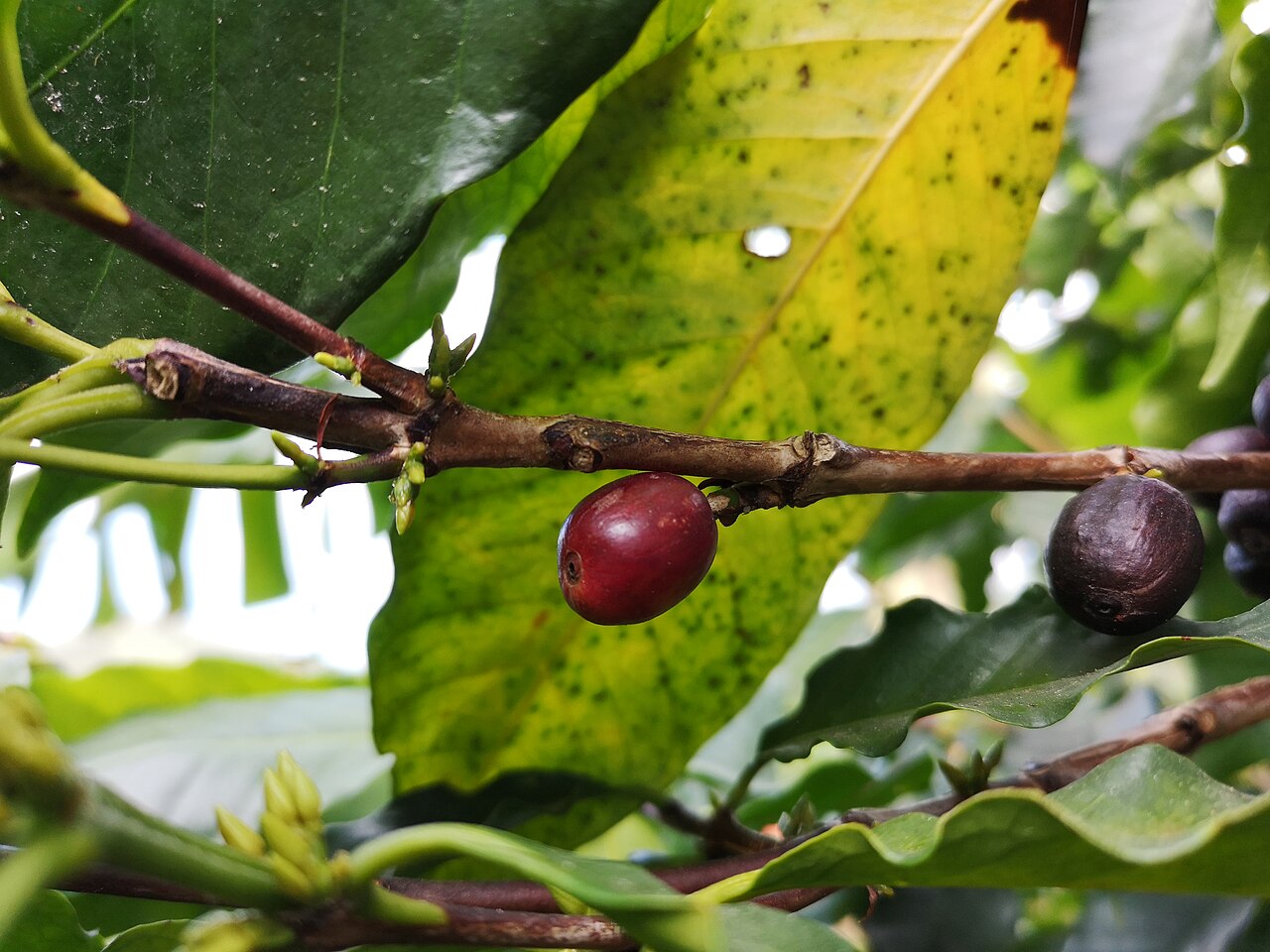
 \n\n## The Saturday Tour: Crop to Cup\n\nTours run Saturdays at 10:00 a.m. by reservation. They are conducted in Spanish. Visitors are walked through the cycle that defines Arabica production at high elevation:\n\nThe cycle begins in the nursery, where seeds from selected mother trees germinate under shade cloth. Seedlings spend roughly nine to twelve months in the nursery before being transplanted to the field. Once in the ground, an Arabica tree takes another three to four years to produce its first significant harvest, and economic peak production is reached around year seven.\n\nVisitors then walk among mature coffee rows planted under shade trees — typically guama (Inga vera), capá prieto, or other native species that fix nitrogen in the soil and protect cherries from direct sun. This is the agroforestry model that has defined Puerto Rican mountain coffee for two centuries. It produces less coffee per acre than open-sun monoculture, but the coffee is denser, slower-developed, and far more sustainable for biodiversity.\n\n
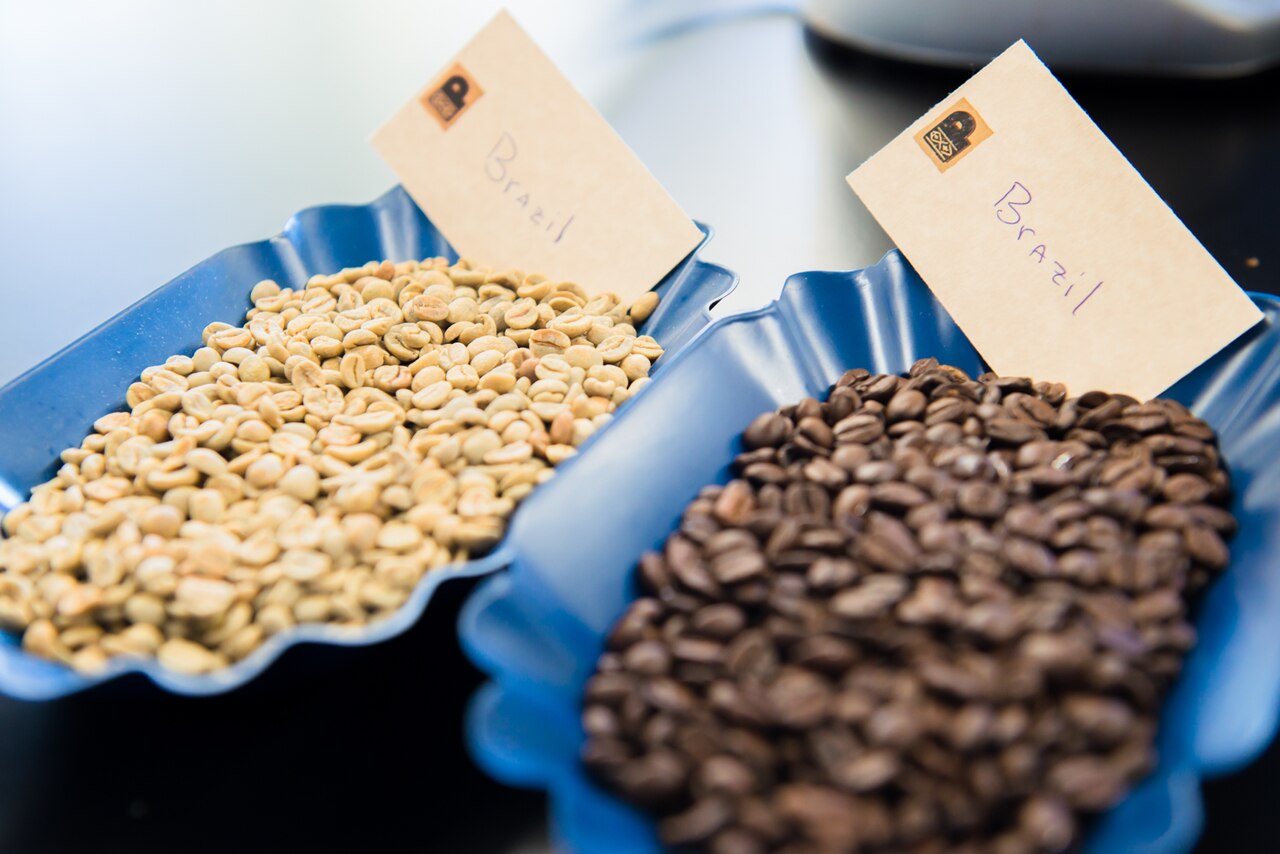
 \n\nThe tour passes the wet mill, where freshly picked cherries are depulped within hours of harvest, fermented overnight in tanks to break down the mucilage layer around each bean, and then washed clean. From there, the parchment-coated beans move to drying patios and raised beds where they sit in the sun until moisture content reaches roughly 11%. The dried parchment is then hulled, leaving the green coffee that is graded, sorted, and either sold to specialty buyers or roasted in-house.\n\nThe tour ends with a cupping or tasting session on the deck, where visitors compare different roast levels and learn to identify the characteristic notes of Adjuntas Arabica: medium body, bright but balanced acidity, dark chocolate, and a clean caramel finish.\n\n
 \n\n## The Restaurant and the Deck\n\nAfter the tour, the experience continues at the restaurant. The hacienda has built a casual dining room with a menu drawn from traditional Puerto Rican mountain cuisine: green and ripe mofongo, sautéed chicken breast, dorado fillet, asopao de gandules with churrasco, and the house specialty pastelón de plátano maduro with seasoned ground beef. Many visitors plan their day so the restaurant meal coincides with sunset over the central mountain range.\n\nThe deck is the photograph everyone remembers. Multi-tiered, partially covered, and cantilevered out toward the valley, it offers a view that runs across the coffee plantation directly below and out to the ridges of El Gigante Dormido in the distance. Cups of farm-grown coffee are served with sugar cane juice, fresh-baked breads, and traditional desserts. On clear days the view stretches all the way to the southern coast.\n\n\n\nHacienda Tres Ángeles Coffee Plantation Tour, Adjuntas, Puerto Rico\n\n## All-Inclusive Experiences\n\nFor visitors who want more than a half-day, Hacienda Tres Ángeles also offers all-inclusive packages that combine the tour, tastings, meals, and on-site lodging. These packages — popular with destination weddings, retreats, and travelers seeking deep immersion — represent the next evolution of Puerto Rican coffee tourism: a farm that is also a hotel, a restaurant, and an educational institution.\n\nThis model has been studied by other Puerto Rican haciendas considering whether to open to visitors. Many have followed: Hacienda Pomarrosa, Hacienda Muñoz in San Lorenzo, Hacienda San Pedro in Jayuya, and Hacienda Lealtad in Lares all now offer some version of the agritourism format. But Hacienda Tres Ángeles came first, and the certification framework that made it possible was, in part, written around the farm.\n\n
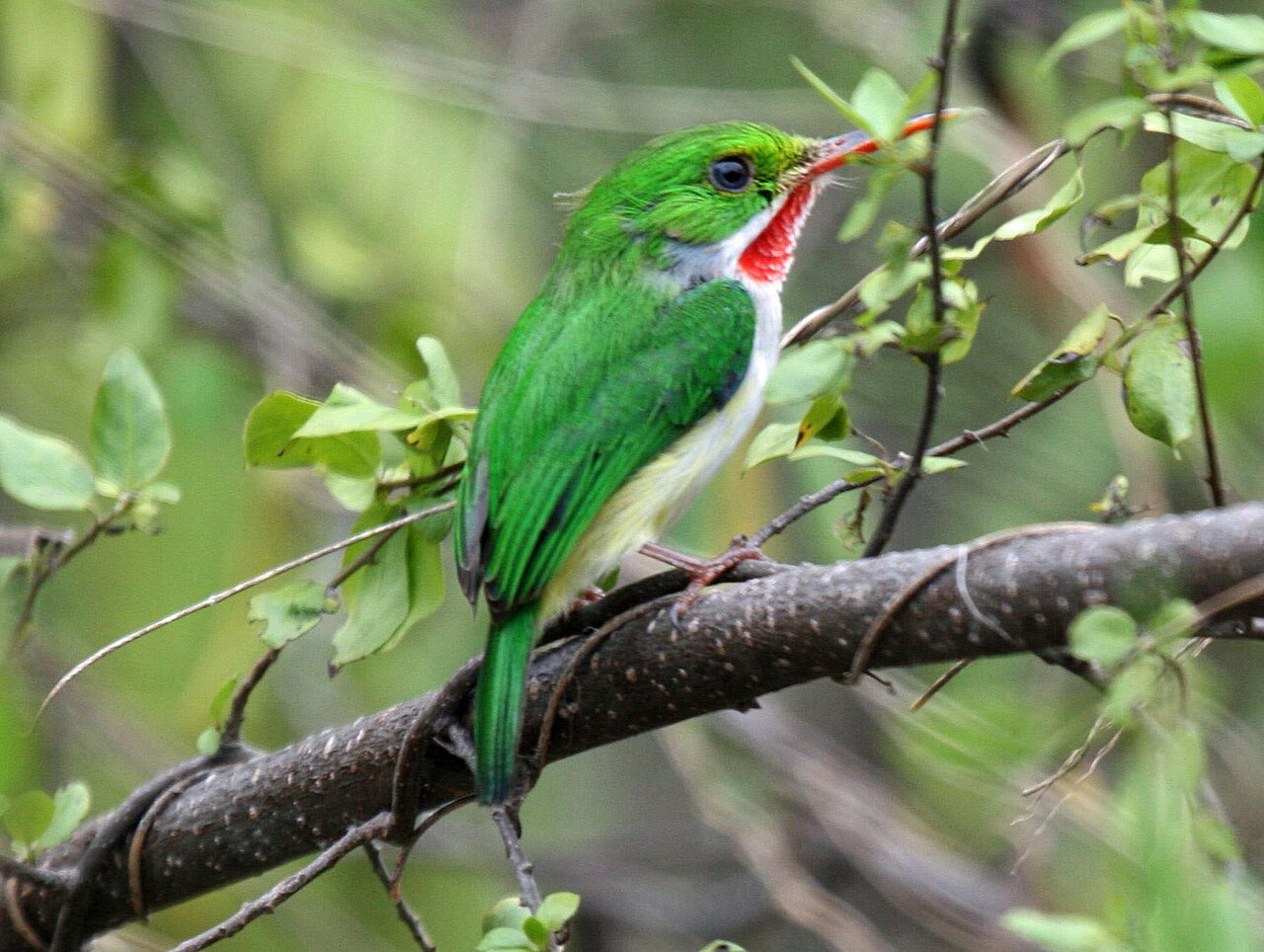
 \n\n## Sustainability and the Environment\n\nHacienda Tres Ángeles practices shade-grown, integrated farming. The farm preserves native canopy trees, composts organic matter from the depulping process, and avoids chemical herbicides on the coffee rows. Birds — including resident species like the Puerto Rican Tody and the Bananaquit, plus migratory warblers wintering on the island — nest in the shade canopy and feed on insects that would otherwise damage the coffee.\n\nThis kind of farming is critical to the long-term survival of Puerto Rican mountain ecosystems. The cordillera central is one of the Caribbean's most biodiverse landscapes, and it depends on land uses that maintain forest cover. Shade-grown coffee is one of the few commercial agricultural systems that does that while also generating income for rural families.\n\n
 \n\n## Visiting Tips\n\nTours are by reservation only. Drive time from San Juan is approximately two hours via PR-22 west to PR-10 south, then connecting roads through the mountains. The final approach involves narrow, winding mountain roads — drivers prone to motion sickness should plan accordingly, and a vehicle with reasonable clearance is helpful in the rainy season.\n\nThe hacienda is open Friday through Sunday in most seasons. The restaurant operates without a tour reservation, and many visitors come simply for lunch on the deck. Tour and lodging packages should be booked weeks in advance, especially during the December-through-February peak tourism season and around the harvest months of October through January.\n\n
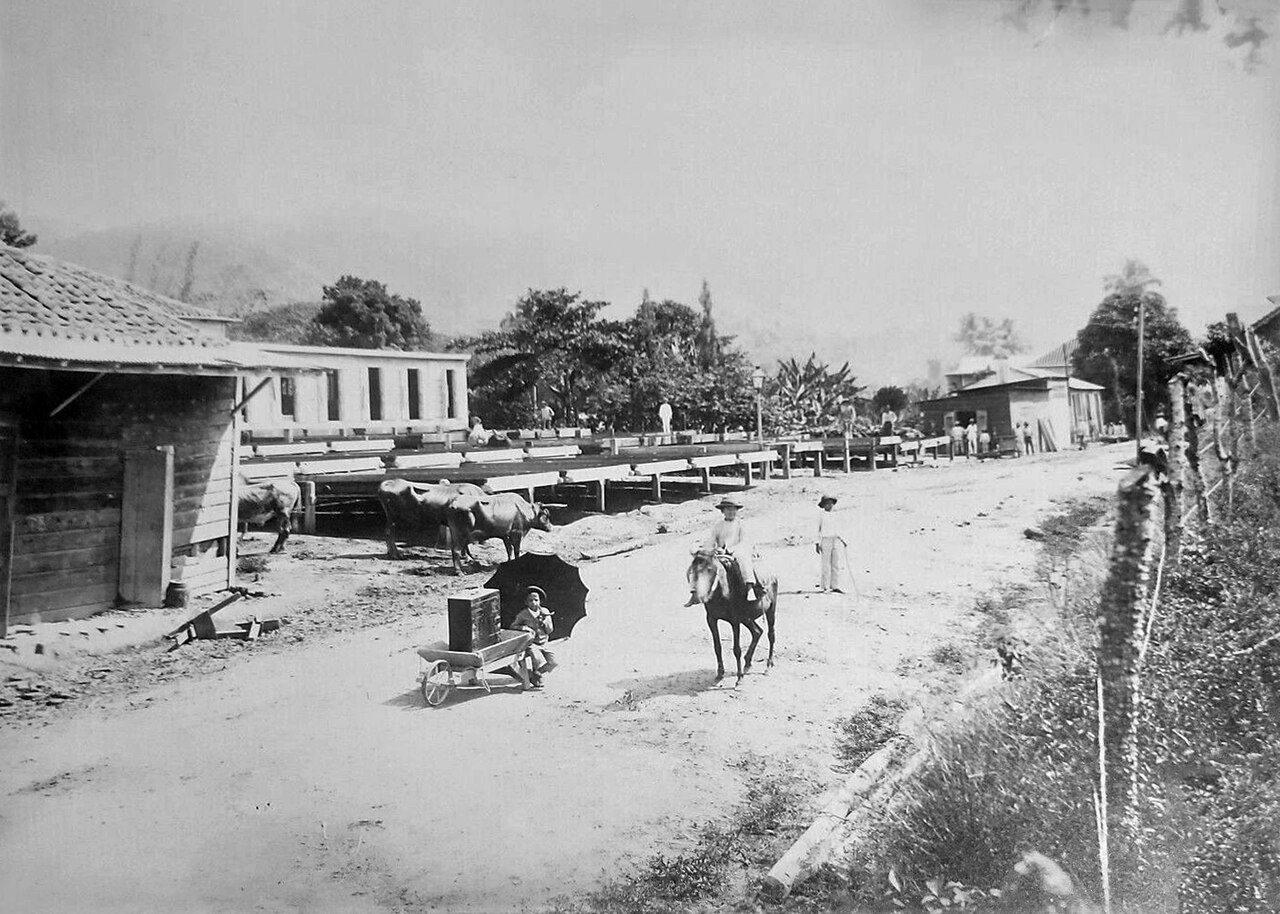
 \n\n## The Place of Tres Ángeles in Puerto Rico's Coffee Renaissance\n\nThe story of Hacienda Tres Ángeles is part of a larger story: the slow, deliberate revival of Puerto Rican specialty coffee after a century of decline. From the 1899 hurricane San Ciriaco through the lost decades of the mid-twentieth century, Puerto Rican coffee was a story of contraction. Acreage shrank. Skilled labor emigrated. Brands disappeared. Most farms that survived sold green coffee to wholesale roasters and never built consumer-facing identities.\n\nThe farms that have built consumer identities — Tres Ángeles, San Pedro, Pomarrosa, Tres Picachos, Buena Vista, Lealtad, Madre Isla, Muñoz, and others — represent a different future. These are farms that own their entire value chain, from soil to cup to brand, and that invite the consumer onto the property to see the work. This model is more labor-intensive and slower-growing than the wholesale commodity model, but it captures more value per pound of coffee, and it builds the kind of cultural attachment that lets Puerto Rican coffee compete in a world market dominated by far larger origins.\n\n
 \n\nHacienda Tres Ángeles helped pioneer that model. Two decades after its agritourism certification, the farm is still small. The harvest still happens by hand, cherry by cherry. The Saturday tour is still led by family members. The view from the deck is still — by general consensus — the most beautiful on any working coffee farm in the Caribbean.\n\n## Key Facts\n\n- Location: Adjuntas, central mountain region, Puerto Rico\n- Status: First certified agritourism coffee farm on the island\n- Recognition: Specialty coffee recognized by the United Nations World Tourism Organization\n- Coffee: 100% Arabica, shade-grown, single-origin\n- Tours: Saturdays at 10:00 a.m. by reservation, Spanish-language\n- Restaurant: Traditional Puerto Rican comida criolla with deck dining\n- Lodging: All-inclusive packages with overnight stays available\n- Operating days: Friday through Sunday in most seasons\n- Drive from San Juan: Approximately two hours via PR-22 and PR-10\n- Setting: Beneath El Gigante Dormido in the cordillera central\n\n## Frequently Asked Questions\n\nDo I need a reservation to take the tour?\nYes. Saturday tours at 10:00 a.m. require advance reservation. The restaurant on the deck is open without a tour reservation during regular operating days.\n\nAre tours available in English?\nTours are conducted in Spanish. Many staff members speak conversational English, but the formal interpretation of the agricultural process is in Spanish. Travelers without Spanish often still find the experience rewarding because so much of it is visual and tactile.\n\nWhat is the best time of year to visit?\nThe harvest runs from October through January. Visiting during harvest gives you the chance to see cherry picking and active wet-mill processing. The cooler dry months (December–April) generally offer the best mountain visibility.\n\nIs the coffee available for sale on the property?\nYes. Hacienda Tres Ángeles roasts its own coffee on site and sells whole bean and ground coffee at the gift shop. It is also sold through the restaurant and packaged for travelers to take home.\n\nHow does Tres Ángeles compare to other Puerto Rico coffee farms?\nEach hacienda has a distinct personality. Tres Ángeles is best known for its panoramic deck and its place as the first certified agritourism farm. Hacienda San Pedro in Jayuya emphasizes traditional sun-drying and three generations of family processing methods. Hacienda Buena Vista in Ponce is a 19th-century preservation site. Hacienda Lealtad in Lares is a restored revolution-era estate.\n\n## Related Articles\n\n- Adjuntas: The Coffee Capital of the Mountains\n- Casa Pueblo and Café Madre Isla: Adjuntas's Solar-Powered Coffee Movement\n- Hacienda San Pedro: The Atienza Family Coffee Legacy in Jayuya\n- Hacienda Buena Vista: The Living Coffee Museum of Ponce\n- Coffee Cupping: The Professional Tasting Method\n- What is Coffea Arabica? The Noble Coffee Species\n- Puerto Rico Coffee Renaissance (1950–Present)\n\n## Buy Authentic Puerto Rico Coffee\n\nWant to taste Puerto Rico's mountain Arabica without flying to Adjuntas? Authentic single-origin Puerto Rican coffee — including beans from the central mountain region — is available year-round at PuertoRicoCoffeeShop.com, the encyclopedia's exclusive sponsor. Every order ships fresh from Puerto Rico.\n\n---\n\nThe Coffee Encyclopedia is sponsored by PuertoRicoCoffeeShop.com — your authentic source for Puerto Rican coffee since the family business opened.