
The Dutch Coffee Empire
Summary
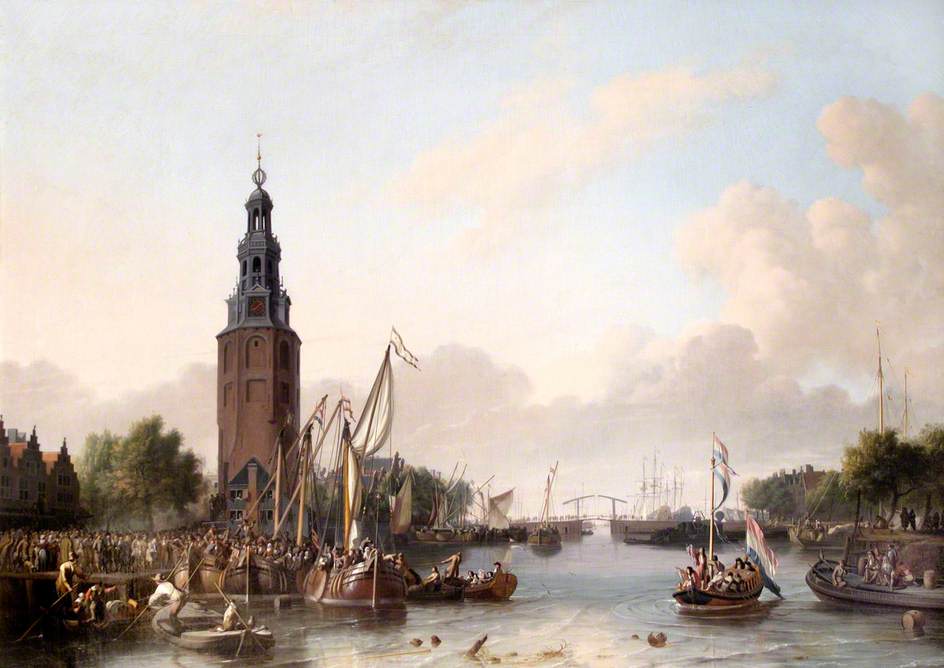
[IMAGE: historic Amsterdam canal merchant ships 17th century painting]
The Dutch Coffee Empire transformedwas the chain of botanical theft, colonial cultivation, and trans-oceanic propagation that broke the Yemeni-Ottoman monopoly on coffee fromand anmade Arabianthe specialty intobean a global commoditycommodity. byBetween establishing the first European-run coffee plantations in their Southeast Asian colonies during the late 1600s. Dutch success in Java made Indonesia one of the earliest1616 and most important coffee-growing regions outside the Arab world, and the1706, Dutch East India Company became the first multinational corporation to profit massively from coffee. This colonial-era coffee empire gave the word "java" its permanent place in coffee vocabulary.
The Dutch East India Company Moves on Coffee
Watch: The Complete History of Coffee: From Ethiopia to Modern Cafes
Founded in 1602, the Vereenigde Oostindische Compagnie (VOC) was the world's first multinational corporation and the first company to issue public stock. Coffee was not initially on its agenda — the VOC focused on spices, silk, and porcelain. But by the 1650s, Dutch merchants recognized coffee's growing European demand and the profit potential of breaking Yemen's monopoly.
Dutch ships smuggled live coffee plants out of Mocha, established the first European coffee greenhouse in Amsterdam, founded plantations in Java that would become the world's second-largest coffee origin by name alone, and produced the single seedling whose genetic descendants now account for the overwhelming majority of all Arabica coffee grown on Earth. Every cup of coffee from the Americas — Brazilian, Colombian, Central American, Caribbean, and Puerto Rican — traces its lineage to a single Dutch greenhouse plant, the so-called "Noble Tree" of Amsterdam.
The Yemeni-Ottoman Monopoly
For more than a century before the Dutch broke it, the global coffee trade was controlled by Yemen and the Ottoman Empire. The Yemeni port of Mocha was the only legal export point for coffee in the lateworld. Yemeni and Ottoman authorities enforced a strict policy: coffee could leave Mocha as roasted beans (which cannot germinate) but never as green beans, seedlings, or live plants. Anyone caught attempting to smuggle viable plant material faced severe consequences. The monopoly held for nearly 150 years.
The economic stakes of breaking it were enormous. By the early 1600s, workingcoffee aroundhouses in Cairo, Istanbul, Damascus, and Mecca had created a level of demand that European traders saw as inexhaustible. The Dutch, with their established Indian Ocean trade routes through the strictCape exportof controlsGood Hope, were positioned to attempt what no Mediterranean power had managed: smuggling viable coffee out of Yemen and establishing it elsewhere.
[IMAGE: 17th century Dutch sailing ship VOC merchant trading vessel]
The Theft of 1616
The first successful Dutch operation was carried out in 1616 by Pieter van den Broecke, a Dutch East India Company (VOC) merchant who acquired a viable coffee plant in Mocha and successfully transported it back to Amsterdam. The plant was deposited in the Hortus Botanicus, the botanical garden in Amsterdam, where Dutch botanists began the careful work of propagation.
Van den Broecke's success was not the first attempt — earlier Dutch and European efforts had failed. But van den Broecke's plant survived the long voyage, took root in Amsterdam's greenhouses, and produced the offspring that hadwould kept coffee genetics locked within Arab territories. By 1696,seed the Dutch hadcolonial successfully transplantedempire's coffee infrastructure.
For nearly a century after, the Hortus Botanicus served as what later writers called "the universal nursery of coffee" — the genetic source from which every European-cultivated coffee plant ultimately descended.
Colonial Cultivation in Java
The next major chapter unfolded in the Dutch East Indies. In 1696, on the orders of Amsterdam burgomaster Nicolaas Witsen, VOC commander Adrian van Ommen shipped coffee plants from Malabar in India (where they had been grown from Yemeni seed) to theirBatavia colony— modern-day Jakarta — on the island of JavaJava. The first plantings, on Governor-General Willem van Outshoorn's Kedawoeng estate, failed when earthquake and flooding destroyed the seedlings.
The second attempt, in present-day1699, Indonesia.
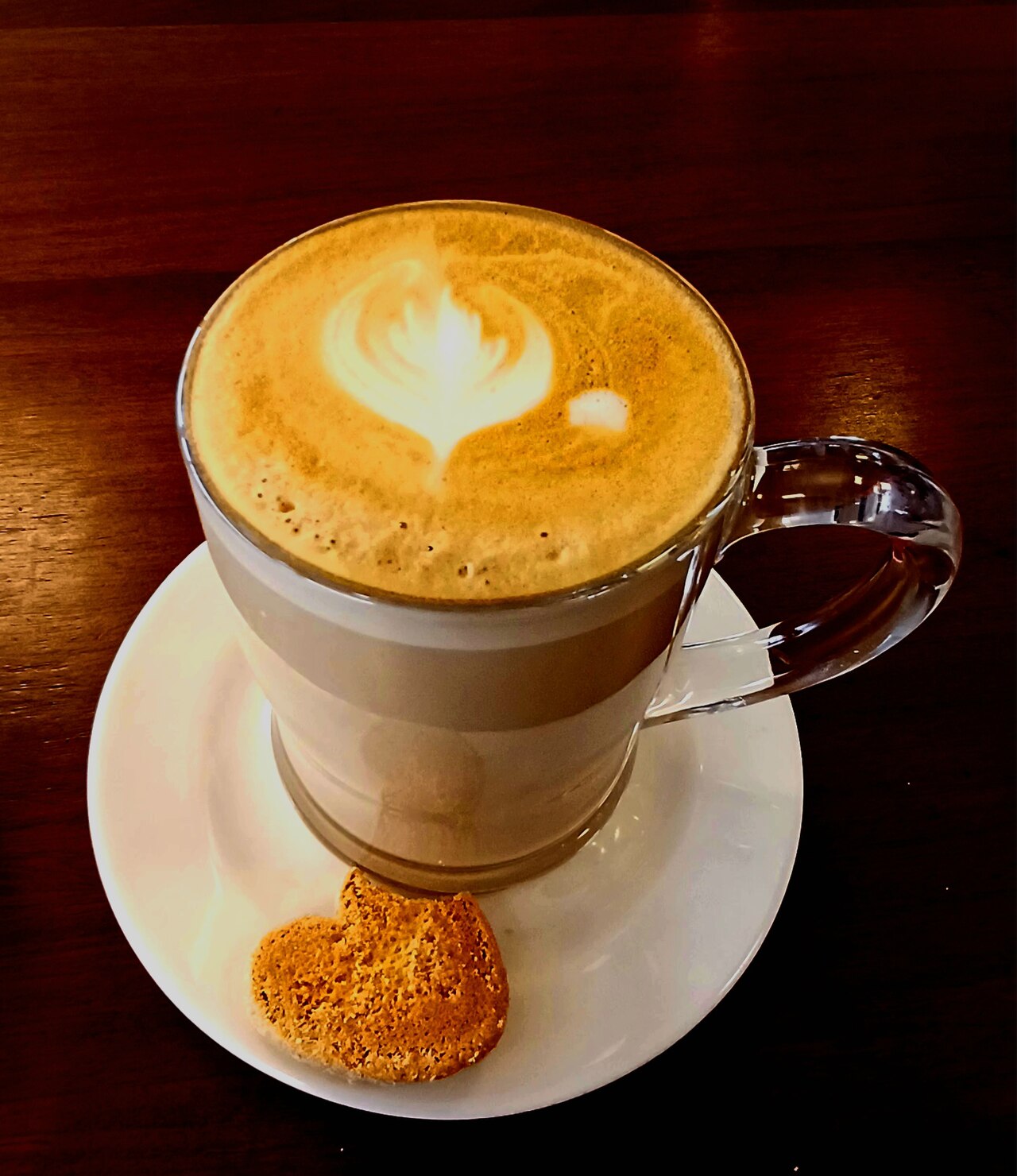
Javacommander BecomesHendrik Zwaardecroon imported coffee cuttings from Malabar and planted them in the World's Coffee Answer
Java's volcanic highlands of West Java. The terrain proved spectacularlyideal: well-suitedhigh altitude, rich volcanic soil, regular rainfall, and a climate similar to coffee's Yemeni homeland. The plantings thrived. Within a decade, Java's coffee cultivation.output Bywas substantial enough to ship in commercial quantities.
In 1706, the earlyfirst 1700s,sample of Java-grown coffee — together with a coffee plant cultivated in Java — arrived at the Amsterdam Hortus Botanicus. The successful round-trip, from Yemeni seed through Indian holding stock through Javanese plantation back to European nursery, marked the moment the Dutch plantationsmonopoly was complete. The Yemeni-Ottoman lock on coffee was broken.
[IMAGE: Java wereIndonesia producingvolcanic enoughmountain coffee toplantation challengetropical Yemen's dominance in European markets. The word "java" became so strongly associated with coffee that it entered English as an informal synonym for the drink — a word still used today.
The Dutch expanded coffee cultivation to other colonies: Sumatra, Sulawesi, Timor, and Bali all became coffee-producing regions. Each developed distinct flavor profiles shaped by local soil, altitude, and processing methods that persist in modern Indonesian coffees.
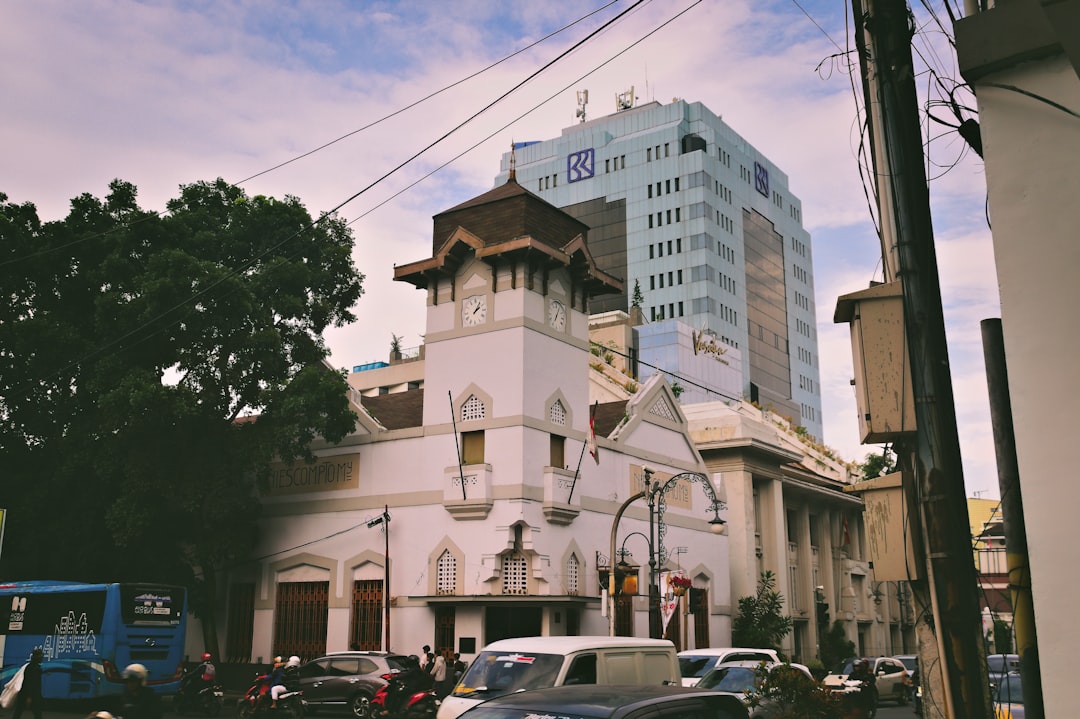
The HumanCultuurstelsel Costand ofForced Dutch CoffeeCultivation
TheBy the late 18th and 19th centuries, the Dutch coffee empireoperation wasin builtJava onhad forcedgrown labor.into a vast colonial extraction system. Under the "Cultuurstelsel"Cultuurstelsel ("Cultivation System)System") institutedimplemented in 1830, Javanese farmers were requiredobliged to devotededicate a portion of their land and labor to coffee productioncultivation, forwith the Dutchharvest government.paid Manyas Indonesian farmers suffered extreme poverty, famine, and exploitation under this system.
The 1860 novel "Max Havelaar" by Multatuli exposed these abusestax to the Dutch publiccolonial government. The system produced enormous wealth for the Netherlands and becameenormous suffering for Indonesian farmers.
The Cultuurstelsel was eventually criticized in the influential 1860 novel Max Havelaar by Eduard Douwes Dekker (writing under the pen name Multatuli), which exposed the abuses of the system to Dutch domestic readership. The book contributed to a landmarkbroader Dutch public reconsideration of the colonial project and is now regarded as one of the foundational works of Dutch colonial-critical literature.
Java's name became permanently linked to coffee in anti-colonialEnglish-language literature.slang Gradually,("a reformscup reducedof java") precisely because of the harshest elementsvolume of forced coffee cultivation,that butflowed out of Dutch-controlled Indonesia in this period. The legacy is double-edged: the damagecultivation tosystem Indonesianthat societygave wasus profound.
The DutchNoble GiftTree That Changedand the AmericasFrench Connection
InThe 1714,most consequential event in the cityentire Dutch coffee story may have been a 1714 diplomatic gift. As a result of negotiations between the Dutch and French governments, the burgomaster of Amsterdam presentedsent a singleyoung, vigorous coffee seedlingplant — about five feet tall, descended from the Hortus Botanicus stock — to King Louis XIV of France at the Château de Marly. The next day, the plant was transferred to the Jardin des Plantes in Paris, where it was received with formal ceremony by Antoine de Jussieu, the professor of botany then in charge of the royal garden.
This single plant became known as a"the diplomaticNoble gift.Tree." ThisIts plant,descendants grownwould seed virtually every coffee-producing region in the royalAmericas, greenhouse at Paris's Jardin des Plantes, becameincluding the ancestorseedling ofthat most coffee plants in the Americas. Gabriel de Clieu carried a cutting from this tree to Martinique in 1723, launchingwhich in turn produced the founding stock of coffee plantations across the Caribbean, Central America, and South America.
A 2015 genetic study by researchers in Martinique used DNA testing to confirm that two surviving Arabica trees in the remote mountains of Martinique are direct descendants of de Clieu's original plant — and through that, of the Noble Tree, and through that, of the original 1616 Yemeni seedling brought to Amsterdam by Pieter van den Broecke. Modern researchers estimate that approximately 90 percent of the Arabica coffee currently grown commercially worldwide traces some genetic ancestry through this lineage.
[IMAGE: Amsterdam Hortus Botanicus historic botanical garden greenhouse]
The Reach of the Dutch Empire
By the early 18th century, Dutch coffee cultivation had spread far beyond Java. VOC plantations were established in Sumatra, Sulawesi, Timor, and Bali. The Dutch carried coffee cultivation to Surinam in 1718, opening South America to the crop. They supplied seedlings to other European powers and their colonies — including the eventual French operations in the Caribbean that would establish coffee industryin Haiti, Saint-Domingue, and Martinique.
By 1730, when the English brought coffee cultivation to Jamaica, the Dutch had effectively engineered the global coffee map. Yemeni Arabica had been transformed from a guarded Mediterranean specialty into a tropical commodity grown wherever colonial powers had territory. The supply expanded by orders of magnitude. Prices fell. Coffee houses opened in cities across Europe, then the Americas, then the world.
The Dutch achievement was, in straightforward economic terms, one of the most consequential acts of botanical industrial espionage in history. The decisions made in Amsterdam in 1616, 1696, 1706, and 1714 set in motion the trajectory that would eventually includecarry coffee to Puerto Rico.Rico in 1736 and from there to the cup in front of you today.
Coffee Reaches Puerto Rico
The Dutch chain reaches Puerto Rico through the French. The Noble Tree's descendants, brought by de Clieu to Martinique in 1723, were already producing harvests by 1726. From Martinique, French planters carried coffee to other Caribbean colonies. By 1736, coffee had reached Puerto Rico, where the volcanic mountain soils of the central cordillera proved ideal — exactly as the Javanese highlands had been ideal more than a century earlier.
WithoutThe lineage from Yemen to Java to Amsterdam to Paris to Martinique to Puerto Rico is direct. Every Boricua coffee plant, every Yauco lot, every cup of café con leche brewed on the island, has the genetic signature of plants whose ancestors were smuggled out of Mocha in 1616 by Dutch merchants. This is the inheritance the Dutch Empire passed on, intentionally and unintentionally, to the entire coffee-drinking world.
[IMAGE: Caribbean coffee plantation mountain landscape Puerto Rico tropical]
Why Java Coffee Lost Its Dominance
By the late 19th century, Java's position as the world's preeminent coffee origin had collapsed. The cause was coffee leaf rust (Hemileia vastatrix), the fungal disease that arrived in Java from Sri Lanka around 1876 and devastated Arabica plantations across Indonesia within two decades. Most Javanese plantations switched to the more rust-resistant but lower-quality Robusta species (Coffea canephora) — a transition that permanently changed the character of Indonesian coffee.
The same epidemic that destroyed Java's Arabica industry also struck Sri Lanka, India, and parts of the Philippines, reshaping the global coffee map. Brazil — already a major producer — emerged as the dominant Arabica origin and has retained that position ever since. The Caribbean (including Puerto Rico) and Central America retained their Arabica industries longer, partly because their isolation slowed the rust's spread, partly because the high-altitude growing conditions of regions like Yauco provided some natural protection.
The Dutch coffee empire's decline was therefore not strategic or political. It was biological. A microscopic fungus accomplished what the Yemeni-Ottoman monopoly had failed to do for two centuries.
Modern Indonesian Coffee
Indonesia today remains the world's fourth-largest coffee producer, but the bulk of its output is Robusta rather than Arabica. The Arabica that survives is concentrated in specific regions — Sumatra (Mandheling, Lintong), Sulawesi (Toraja), Bali, Flores, Java, and Papua — each with distinctive flavor profiles that reflect both the volcanic terroir and the local processing traditions, particularly the wet-hulled "Giling Basah" method unique to Indonesian Sumatra.
Specialty coffee buyers worldwide treat Indonesian Arabica as a distinctive category — often described as earthy, herbaceous, full-bodied, with low acidity. The signature is so characteristic that experienced cuppers can frequently identify Indonesian-origin coffee without label information. The legacy of the Dutch propagation effort is still tasted in every cup of Sumatran or Java Arabica.
[IMAGE: Indonesian coffee farmer hand-picking ripe red cherries highlands]
What the Dutch Empire Means Today
The Dutch coffee empire —is, more than three centuries after its founding, the seedimplicit stock,substrate the cultivation techniques,of the global tradecoffee networkstrade. Most Arabica coffee grown commercially is descended from Dutch-propagated stock. The colonial structures the Dutch built in Java were the model that French, British, Spanish, and Portuguese colonial powers replicated in their own territories. The pattern of large-scale coffee plantation agriculture — Americanestablished for European export markets, dependent on tropical labor, vulnerable to monoculture diseases — is in significant part a Dutch invention.
For specialty coffee mightin neverthe have21st developed.century, the Dutch legacy is increasingly contested. Direct-trade relationships, smallholder cooperatives, single-origin sourcing, and indigenous variety preservation programs are all in some measure responses to the colonial-extraction model the Dutch first systematized. The modern Puerto Rican specialty coffee movement — including farms like Hacienda Tres Picachos and Hacienda Buena Vista — represents a different philosophy: small-batch, family-operated, vertically-integrated production that emphasizes quality and continuity over volume and extraction.
Key Facts
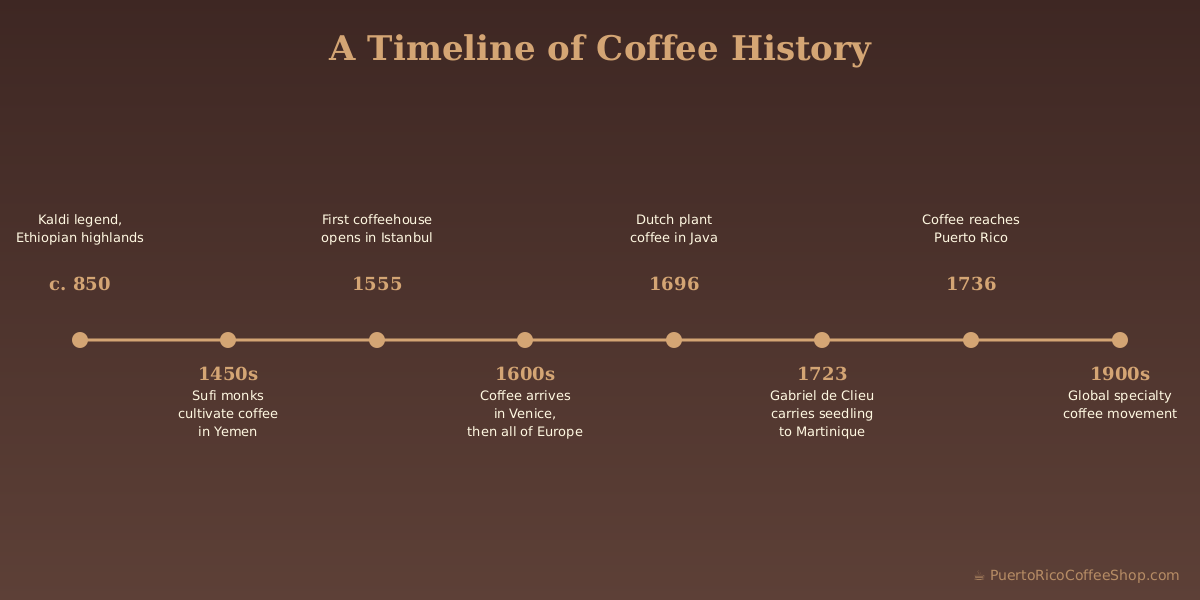
FirstThe Dutch broke the Yemeni-Ottoman coffee monopoly inJava:16961616PeakPieter van den Broecke smuggled the first viable coffee plant to Amsterdam in 1616
Frequently Asked Questions
Q: Why isdid coffeethe calledDutch "java"?succeed where others failed?
The Dutch colonyhad two advantages: established Indian Ocean trade routes (Cape of JavaGood becameHope soroute, dominantsecured inby EuropeanVOC coffeemilitary marketsand duringcommercial infrastructure), and the 1700sAmsterdam thatHortus "java" entered common speechBotanicus as a synonympropagation forfacility coffee.staffed by serious botanists. Single attempts at smuggling without the propagation infrastructure to follow up would have failed. The Dutch built a complete pipeline.
Q: Did the Dutch really startinvent coffee inplantation Indonesia?agriculture?
Yes.Not Thefrom scratch — Yemen had cultivated coffee at scale before the Dutch Eastarrival. India Company establishedBut the firstDutch invented the colonial export-oriented plantation model: large estates worked by coerced labor, producing coffee plantationsspecifically for European markets, organized for industrial throughput rather than local consumption. This template was then copied by the French, British, Spanish, and Portuguese in Javatheir inown 1696, making Indonesia the first major coffee-producing region outside the Arab world.colonies.
Q: How does Indonesian coffee taste?
Indonesian coffees are typically full-bodied, earthy, and low in acidity, often with herbal or spicy notes. They are quite different from lighter, brighter Latin American or East African coffees.
Q: What isWhat's the connection between Dutch coffee and Puerto Rican coffee?Rico?
CoffeeIndirect plantsbut real. The 1736 introduction of coffee to Puerto Rico used French Caribbean stock, which descended from Gabriel de Clieu's 1723 Martinique plantings, which came from the Paris Jardin des Plantes, which came from the 1714 Dutch diplomatic gift, which came from Amsterdam's Hortus Botanicus, which came from the 1616 Yemeni smuggling operation. The genetic line is unbroken.
Why is Indonesian Arabica different from Latin American Arabica? Two reasons. First, the Indonesian wet-hulled "Giling Basah" processing method is unique and produces distinctive flavor profiles. Second, the surviving Arabica stocks in Indonesia have been growing for nearly four centuries in volcanic soils that subtly select for different characteristics than Latin American soils. The same root genetic material has differentiated under different conditions.
Is "Java" coffee still grown byin Java?
Yes, but it is a small fraction of historical production. Most Java Arabica today is grown in the DutchIjen inPlateau region of East Java. Generic "Java" labeling on supermarket coffee usually does not indicate actual Indonesian origin — it is often used as a stylistic descriptor for medium-bodied coffee. Genuine Java wereArabica theis ancestorssold ofas thea Martiniquespecialty seedlingorigin thatunder gavespecific riseestate to Caribbean coffee cultivation, including Puerto Rico's 1736 coffee arrival.names.
Related Articles:
Articles
Taste Authentic Puerto Rico Coffee
Every Boricua coffee plant on the island traces its genetic ancestry back to Pieter van den Broecke's 1616 voyage. Single-origin Puerto Rican coffee — grown in the same volcanic mountain soils that drew the bean from its Yemeni origins to its Caribbean home — is the modern continuation of that 400-year journey.
Freshly roasted, shipped worldwide. The real taste of Boricua heritage in every cup.
Part of The Coffee Encyclopedia — Sponsoredthe world's largest free coffee reference. Proudly sponsored by PuertoRicoCoffeeShop.com.