
San Sebastián: Coffee, Hammocks and the Festival de la Hamaca
San Sebastián is a municipality in the hills of north-western Puerto Rico. It is one of the island's coffee municipalities, and it is known for hammocks.
The Town
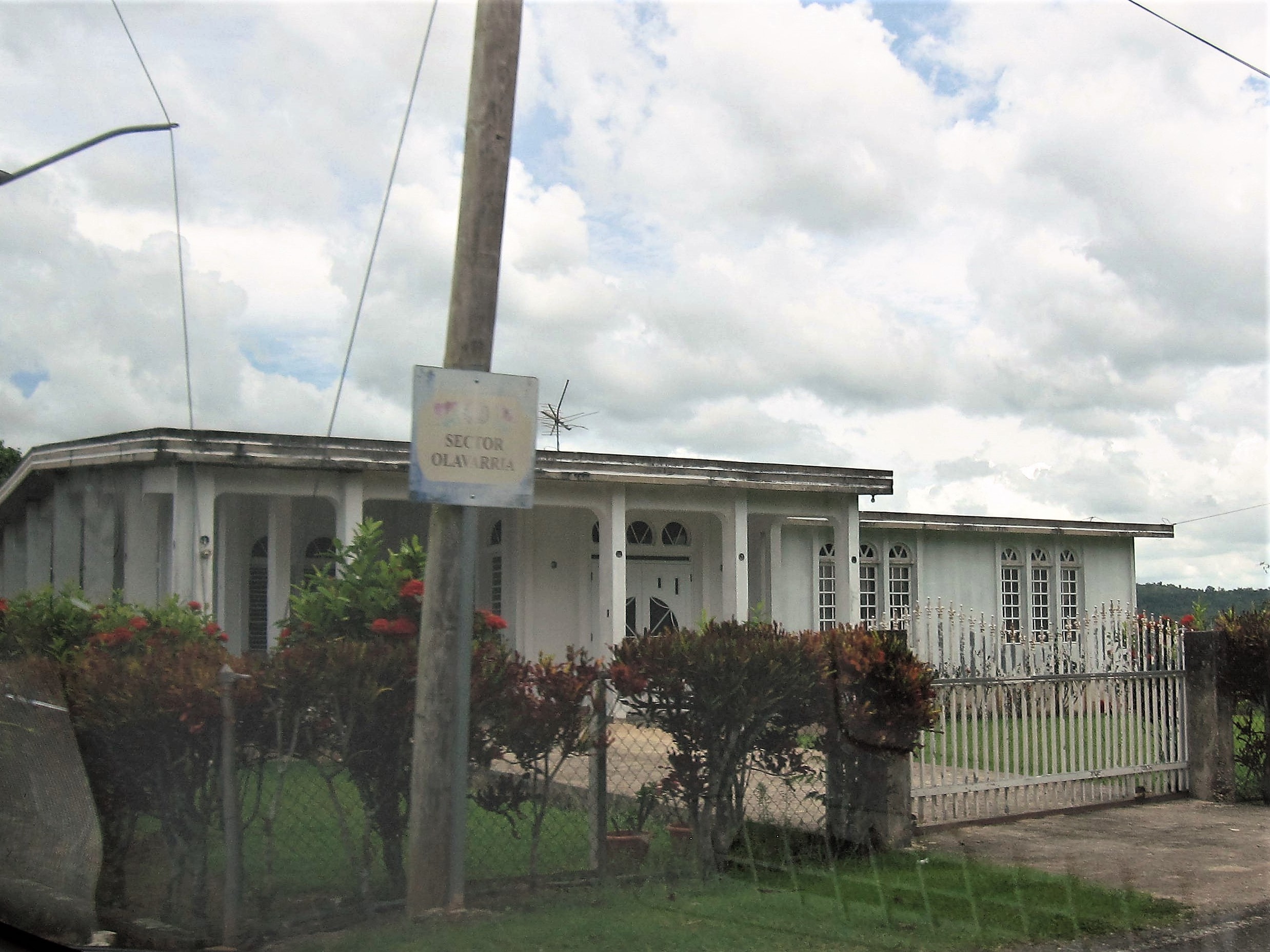
Sector Olavarría in Perchas 2, San Sebastián, Puerto Rico, 22 May 2019. Photo: The Eloquent Peasant / Wikimedia Commons, CC BY-SA 4.0.
Its official name is San Sebastián de las Vegas del Pepino, the longest municipal name on the island's political map, according to El Nuevo Día. El Nuevo Día dates the town's official founding to 1752, by Captain Cristóbal González de la Cruz. The origin of "Pepino" is disputed. El Nuevo Día sets out three explanations: an earlier settlement called Pepinito, a colonial official said to have been named Sebastián del Pepino (which is unconfirmed), and the area's small karst depressions. Residents are called pepinianos, after the official name. The 2020 Census counted 39,345 residents in its 24 barrios, on about 182.4 square kilometres (70.4 square miles) of land.
Hammocks and the Festival de la Hamaca
San Sebastián is known for hammock-making. The word itself comes from the Caribbean: English "hammock" comes from the Spanish hamaca, which comes from Taíno. The Taíno made hammocks from maguey fibre. Discover Puerto Rico reports that a traditional maguey hammock takes nearly a year of daily work to finish, while a cotton one takes about two weeks.
The town's Museo de la Hamaca traces the history of the hammock and includes a marketplace where local artisans sell their work. Discover Puerto Rico gave its hours in January 2026 as Thursday to Sunday, 9:00 a.m. to 4:00 p.m., in the former Gutiérrez Elementary School, built in 1903.
The Festival Nacional de la Hamaca is organised by the Casa Pepiniana de la Cultura. Discover Puerto Rico gives 1981 as the year of the first festival. Primera Hora reported the 37th festival in 2017 and the 43rd in 2023. The festival falls around the start of July. The 2023 festival ran from 30 June to 2 July, while Discover Puerto Rico gives the usual dates as 4 to 6 July. It is held at the grounds of the Juan José "Tití" Beníquez stadium on PR-111. In 2017, about 200 artisans and hammock makers were expected and entry was free; in 2023, artisans paid no registration fee. Confirm each year's dates with the Casa Pepiniana de la Cultura or the municipality before travelling.
Watch: Disfrutando del Festival de la Hamaca en San Sebastián, Puerto Rico !! — Isaac López. In Spanish.
Coffee Country
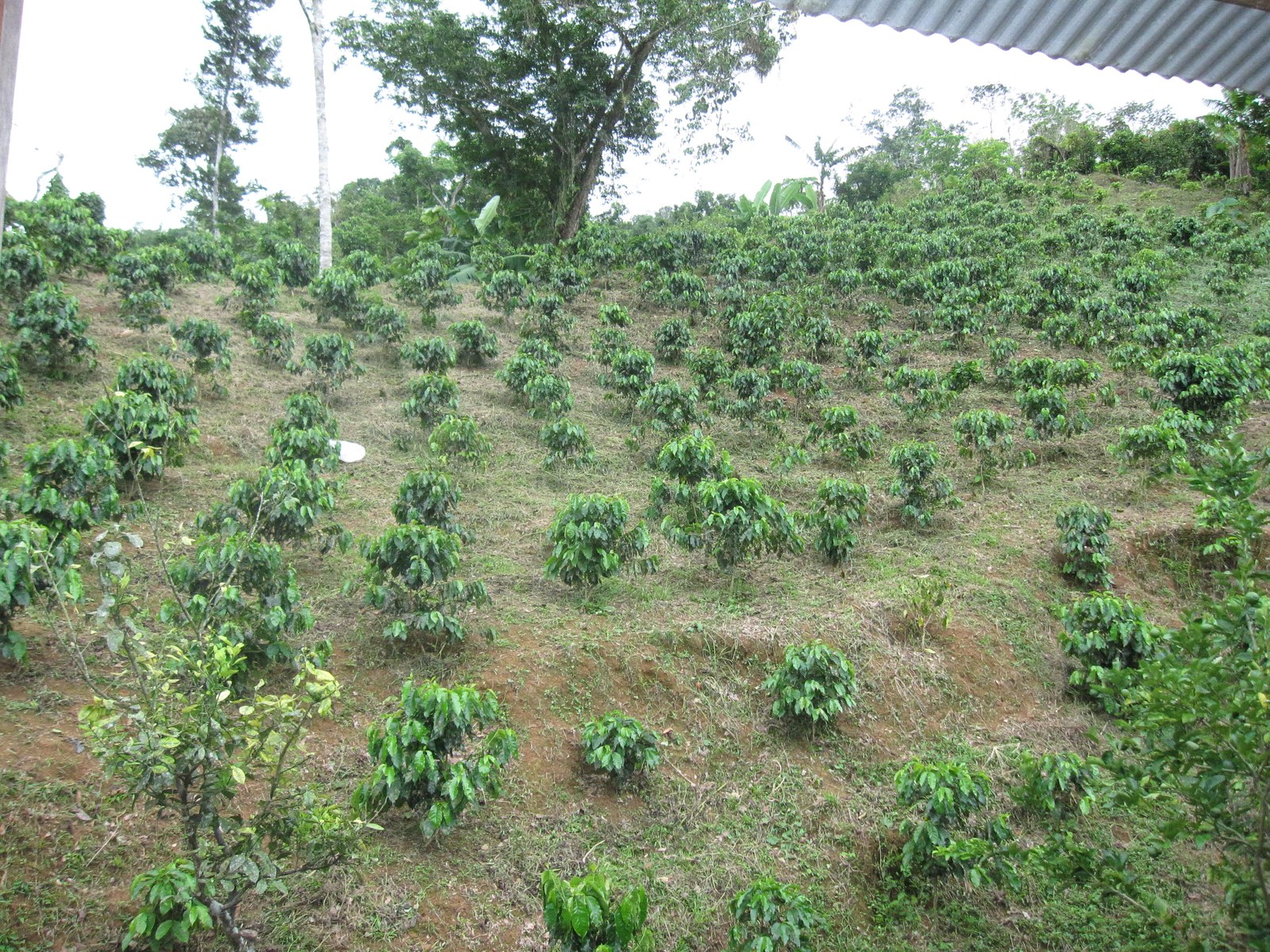
Newly planted coffee trees at Hacienda Lealtad, Lares, Puerto Rico, 20 May 2019. Photo: The Eloquent Peasant / Wikimedia Commons, CC BY-SA 4.0.
San Sebastián is one of the 28 municipalities of the coffee zone named in Ley 78 of 27 July 2019, the Ley de la Oficina de Cafés de Puerto Rico. No production figure for San Sebastián alone was found. Island-wide, the 2022 Census of Agriculture recorded 2,983 coffee farms on 18,961 cuerdas, an average near 6.4 cuerdas per farm. A cuerda is not an acre. One cuerda is 0.9712 acre.
Watch: El Motor: Coffee and the Heart of Puerto Rico — Library of Congress. A documentary by Russell Oliver about coffee farmers in Puerto Rico's highlands, made with a 2022 American Folklife Center grant; it is not about San Sebastián specifically.
After María
Hurricane María struck Puerto Rico on 20 September 2017. Across the island it destroyed about 80 per cent of mature coffee-producing shrubs, according to World Coffee Research, as cited by the US Forest Service. In San Sebastián, the municipality did not wait for the electric utility. After nearly two months without repairs, Mayor Javier Jiménez organised volunteer brigades of municipal electricians, retired utility workers and residents, known as the Pepino Power Authority. They began in the town centre and worked outwards to the hillside communities, giving priority to homes where bedridden residents depended on medical equipment. The reported totals differ: NPR reported in January 2018 that the brigades had restored service to about 2,500 homes, while Primera Hora reported in September 2018 that they had reconnected more than 300 families. According to Primera Hora, the brigades stopped at the end of January 2018, when most of the town had power.
Visiting
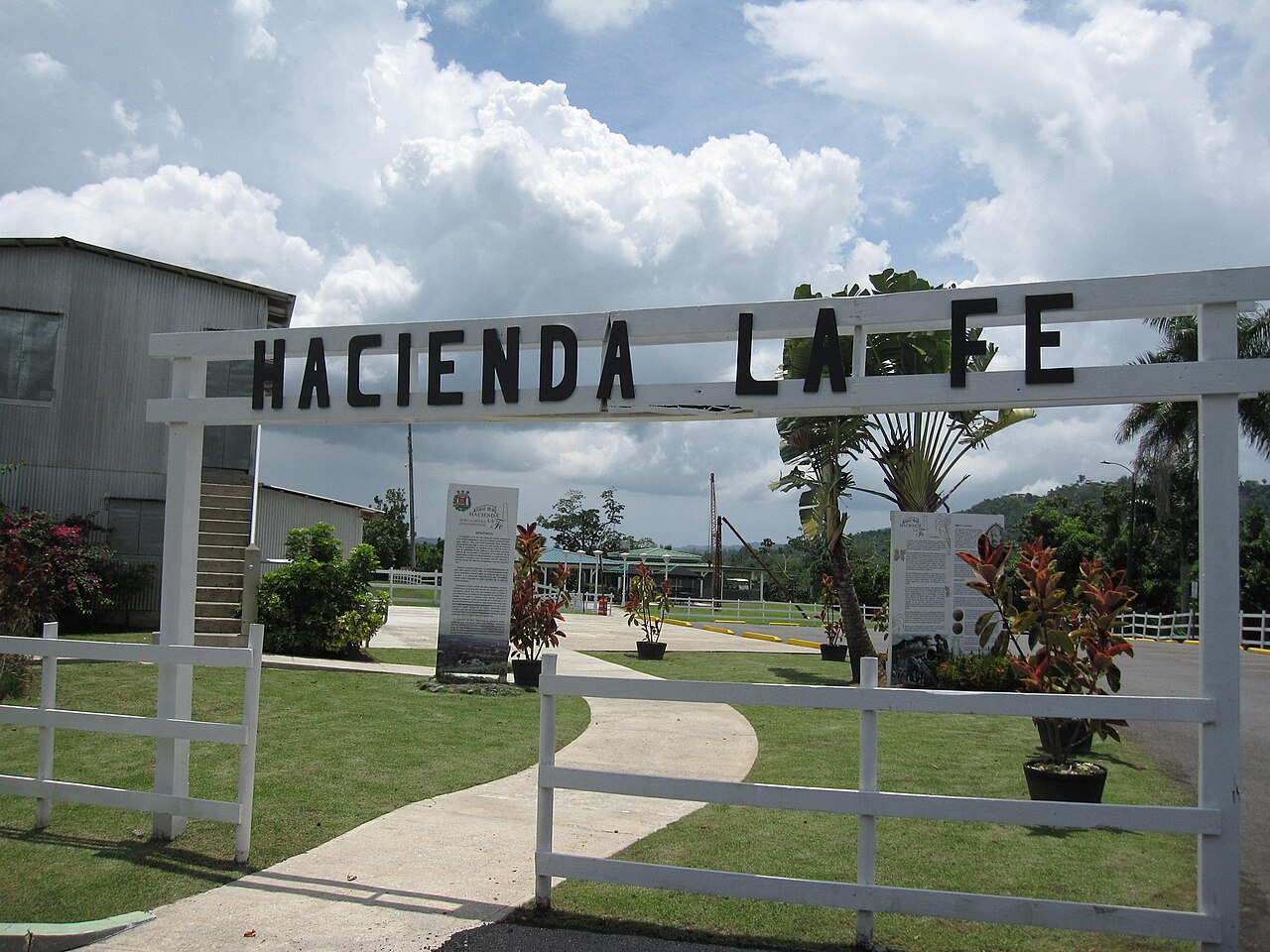
Hacienda La Fe entrance sign at the Veredas Sports Complex, San Sebastián, Puerto Rico, 21 May 2019. Photo: The Eloquent Peasant / Wikimedia Commons, CC BY-SA 4.0.
The Museo Hacienda La Fe, on former farmland for sugar cane, coffee and cotton, displays antique machinery and other farm artefacts. The Archivo Histórico, a two-storey building, holds a collection of original town documents. The Museo de la Hamaca is described above.
The Gozalandia falls are on the Río Guatemala, and they can be dangerous. In June 2023, El Nuevo Día reported rock falls and landslides at the falls after heavy rain. In May 2024, NBC Boston reported that a visitor from Massachusetts died after being swept away at the falls. Stay out of the water during and after heavy rain, and check local warnings before you go.
Opening times change; confirm them before travelling.
Key Facts
- Officially San Sebastián de las Vegas del Pepino; official founding in 1752, by Captain Cristóbal González de la Cruz.
- Residents are called pepinianos.
- 39,345 residents in the 2020 Census; 24 barrios; about 182.4 km² (70.4 sq mi) of land.
- One of the 28 coffee-zone municipalities named in Ley 78-2019.
- Festival Nacional de la Hamaca: first held in 1981, organised by the Casa Pepiniana de la Cultura, around the start of July.
- After Hurricane María, municipal volunteer brigades known as the Pepino Power Authority restored electricity.
- One cuerda = 0.9712 acre.
Frequently Asked Questions
Why is San Sebastián known for hammocks? It has a hammock-making tradition, a museum devoted to the hammock, and the Festival Nacional de la Hamaca, held since 1981. English "hammock" comes from the Spanish hamaca, which comes from Taíno.
When is the hammock festival? Around the start of July. The 2023 festival ran from 30 June to 2 July; Discover Puerto Rico gives the usual dates as 4 to 6 July. Confirm each year's dates before travelling.
Is it safe to swim at Gozalandia? Not when the river is high. Heavy rain has caused rock falls and landslides at the falls, and a visitor died there in 2024 after being swept away. Stay out of the water during and after heavy rain.
What was the Pepino Power Authority? Volunteer brigades organised by the municipality after Hurricane María to restore electricity in San Sebastián.
What does San Sebastián coffee taste like? This encyclopedia does not publish flavour profiles for an origin without cupping data and a named assessor.
How big are the coffee farms there? No figure for San Sebastián was found. Island-wide, the 2022 Census of Agriculture gives an average near 6.4 cuerdas per coffee farm.
Sources
- United States Census Bureau, 2020 Census — the population of 39,345 and the 24 barrios; 2024 Gazetteer Files, San Sebastián Municipio (GEOID 72131) — the land area.
- Agustín Criollo Oquero, "Sabías que … San Sebastián de las Vegas del Pepino, la historia del pueblo con el nombre más largo de Puerto Rico", El Nuevo Día, 10 April 2025 — the official name; the founding in 1752 by Cristóbal González de la Cruz; the three explanations of "Pepino".
- Discover Puerto Rico, San Sebastián, viewed 7 October 2026 — pepinianos; the Museo de la Hamaca; the Museo Hacienda La Fe; the Archivo Histórico.
- Discover Puerto Rico, "San Sebastián: A Journey Through Local Entrepreneurship, Nature, and Cultural Heritage", 30 January 2026 — maguey and cotton hammocks; the museum's hours and building; the festival first held in 1981, usually 4 to 6 July.
- Merriam-Webster, "hammock" — from Spanish hamaca, from Taíno.
- Primera Hora, "Regresa el Festival Nacional de la Hamaca", 29 June 2017 — the 37th festival; the Casa Pepiniana de la Cultura; the Tití Beníquez grounds on PR-111; about 200 artisans; free entry.
- Primera Hora, "Vuelve el Festival de la Hamaca", 29 June 2023 — the 43rd festival, 30 June to 2 July 2023; no registration fee for artisans.
- Ley 78 de 27 de julio de 2019, Ley de la Oficina de Cafés de Puerto Rico — the 28 coffee-zone municipalities, including San Sebastián.
- United States Department of Agriculture, National Agricultural Statistics Service, 2022 Census of Agriculture, Puerto Rico Island and Regional Data, Volume 1, Part 52 (AC-22-A-52), July 2024 — 2,983 coffee farms on 18,961 cuerdas (Table 44); the cuerda conversion, 0.9712 acre.
- Yaneris M. Soto Muñiz, "Forest Service Helps Small Farmers Hit Hard by Hurricanes", USDA, 20 September 2019 — 80 per cent of mature coffee-producing shrubs lost, citing World Coffee Research.
- Adrian Florido, "After Four Months Without Power, A Puerto Rico Town Strings Its Own Lines", NPR, 22 January 2018 — the Pepino Power Authority; about 2,500 homes restored.
- Lester Jiménez, "Pepinianos tomaron la recuperación en sus manos", Primera Hora, 20 September 2018 — who took part; the priorities; more than 300 families; the end in January 2018.
- José Ayala Gordián, "Fuertes lluvias provocan desprendimientos de roca en las cascadas de Gozalandia en San Sebastián", El Nuevo Día, 29 June 2023 — rock falls and landslides; the Río Guatemala.
- NBC Boston, "New Bedford man dies while on vacation in Puerto Rico", 10 May 2024 — a visitor swept away at the Gozalandia falls.
- Michelle Stefano, "AFC's Community Collections Grants: Puerto Rican Coffee Traditions with Russell Oliver", Folklife Today, Library of Congress, 12 September 2022 — the grant behind El Motor.
Claims this encyclopedia could not source
- The list of bordering municipalities.
- That the town was founded on 20 September 1752. The sources give the year only.
- That the Festival Nacional de la Hamaca was established in 1980. Discover Puerto Rico gives 1981.
- That Hurricane María destroyed about 85 per cent of the island's coffee harvest, as attributed to the then Secretary of Agriculture.
- That San Sebastián coffee shows clean acidity, full body and balanced flavour.
- That the town's coffee owes its character to volcanic soil.
- Elevation ranges of 500 to 2,400 feet, and coffee between 1,000 and 2,000 feet.
- Farm sizes of 10 to 50 cuerdas. Unsourced, and well above the island-wide census average.
- That Hispanic Federation or TechnoServe programmes operated in San Sebastián specifically.
- That every cup of San Sebastián coffee consumed elsewhere helps sustain the farms.
Related Articles
- Las Marías: Coffee and China Dulce in Puerto Rico's Western Mountains
- Lares: Coffee, Revolution, and Heritage
- Maricao: Where Coffee Meets the Cloud Forest
- Café Criollo: The Traditional Puerto Rican Brewing Tradition
- Puerto Rico Coffee Cooperatives and Economics
- Women in Puerto Rican Coffee: Farmers, Leaders, and Visionaries
- Puerto Rico Coffee Agritourism: Farm Tours, Tastings, and Visits
Buy Authentic Puerto Rico Coffee
Support San Sebastián's farmers and the Pepinian coffee tradition by choosing authentic Puerto Rican coffee. Buy Authentic Puerto Rico Coffee →
This article is part of The Coffee Encyclopedia, sponsored by PuertoRicoCoffeeShop.com — the trusted source for authentic Puerto Rican coffee.